
Sauces & Condiments
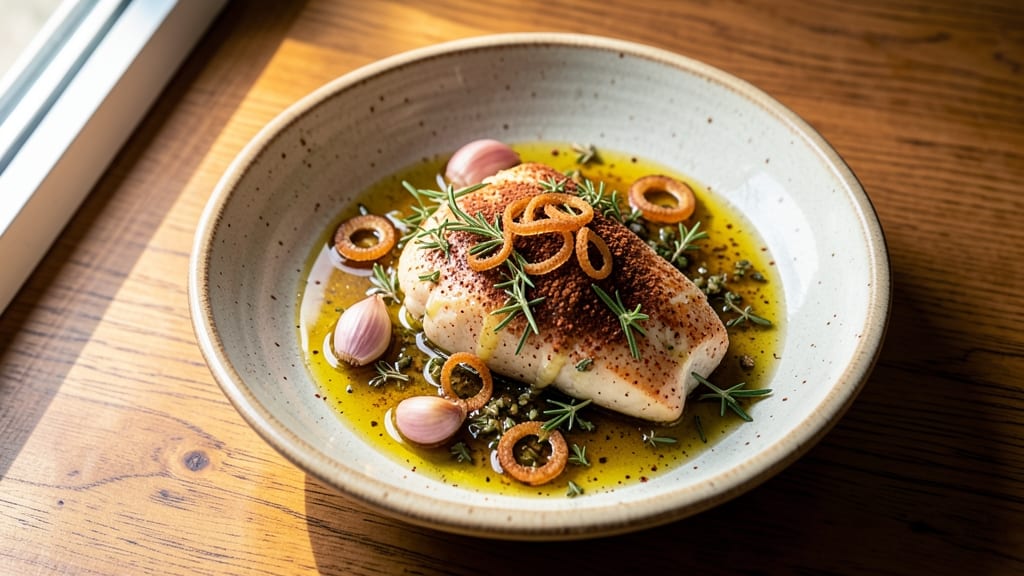
This chicken leg marinade recipe transforms ordinary chicken into restaurant-quality bites with crispy skin and tender meat. The smoky garlic and herb infusion cuts through cooking time while building deep flavor—perfect for grilling, baking, or frying. I developed this blend after years of testing marinades, and it never fails to impress.
The secret lies in balancing acid (lemon juice and apple cider vinegar) with aromatic oils and herbs to tenderize while preserving moisture. Olive oil forms a protective barrier during cooking, while garlic and smoked paprika deliver that signature smoky depth.
A 4-hour marinating time ensures maximum flavor penetration without over-sogging the meat.
What you’ll achieve is crispy, golden skin that shatters with each bite, paired with juicy meat infused with herbaceous notes. The marinade’s acidity also helps break down connective tissue, guaranteeing tender results. This is the kind of marinade that elevates simple chicken legs into a showstopping centerpiece.
Use this marinade for any cooking method—grill for smoky char, bake for hands-off convenience, or pan-fry for quick weeknight dinners. The flavors intensify as it sits, so plan ahead for the best results. Let’s get started with this foolproof technique.
Ingredients for chicken leg marinade
Ten ingredients, maximum flavor—this marinade transforms ordinary chicken legs into crispy, restaurant-quality bites.
| Ingredient | Amount | Notes |
|---|---|---|
| Extra-Virgin Olive Oil 🫒 | ½ cup | High-quality, fruity variety preferred |
| Fresh Garlic Cloves 🧄 | 6 cloves | Peeled and finely minced |
| Smoked Paprika 🌶️ | 2 tbsp | High-quality, not pre-mixed |
| Fresh Rosemary 🌿 | ¼ cup | Finely chopped, stems removed |
| Fresh Thyme Leaves 🌿 | ¼ cup | Freshly harvested, stems removed |
| Apple Cider Vinegar 💧 | ¼ cup | Raw, unfiltered preferred |
| Fresh Lemon Juice 🍋 | ¼ cup | Freshly squeezed, no pulp |
| Diamond Crystal Kosher Salt 🧂 | 1 ½ tsp | Fine grain preferred |
| Freshly Ground Black Pepper 🌶️ | 1 tsp | Freshly cracked preferred |
| Brown Sugar 🍯 | 1 tbsp | Light or dark variety |
The olive oil is non-negotiable—look for extra-virgin with a fruity aroma at specialty stores like Whole Foods or Trader Joe's. Fresh garlic and herbs make all the difference; harvest your own rosemary and thyme if possible, or source from trusted farmers' markets. Smoked paprika should be pure, not pre-mixed with salt—Penzeys or McCormick brands deliver consistent quality. Apple cider vinegar should be raw and unfiltered for optimal tang, while lemon juice should be freshly squeezed to prevent bitterness. The brown sugar adds subtle caramelization during cooking, enhancing the crispy skin texture.
No smoked paprika? Substitute liquid smoke at one-third the amount—though it lacks depth. Fresh herbs unavailable? Dried rosemary and thyme at half the quantity work in a pinch, but fresh is superior. Short on apple cider vinegar? White wine vinegar or red wine vinegar both function well. For a sweeter profile, honey can replace brown sugar at a 1:1 ratio. The kosher salt should be Diamond Crystal or Morton for optimal dissolution—table salt would require adjustment. Freshly ground black pepper ensures maximum aroma retention during marinating.
Store unused marinade in an airtight container in the refrigerator for up to 5 days. The marinade intensifies over time, so plan ahead for optimal flavor. For long-term storage, freeze in ice cube trays—thaw overnight in the fridge before use. Chicken legs marinated for 4-6 hours achieve perfect balance between tenderness and crispy skin. Discard used marinade after application to prevent cross-contamination. The residual marinade can be reduced by half and used as a glaze for roasted vegetables.
Why You'll Love This Recipe
- Five-Ingredient Magic: I swear by this—just oil, garlic, smoked paprika, and fresh herbs. No fancy pantry trips, no measuring cups, just a quick toss in a bowl while you wait for the oven to preheat.
- Smoky-Garlicky Bliss: That smoked paprika and rosemary combo? It’s like a warm hug for your taste buds. The garlic caramelizes just enough to give every bite a depth that’s hard to resist—especially when you’re lazy enough to eat it straight from the pan.
- Weeknight to Weekend: Marinate these legs for 30 minutes and throw them on the grill for a summer BBQ, or slow-roast them for a cozy Sunday dinner. Same marinade, totally different vibes—no extra effort, just better food.
- Budget Meal Maker: Chicken legs are already affordable, but this marinade stretches every dollar. Make a double batch, freeze half, and thank me later when you’re pulling out perfectly seasoned chicken for tacos or salads all week.
Step-by-step instructions for smoky garlic and herb chicken leg marinade
This marinade transforms ordinary chicken legs into restaurant-quality pieces with irresistible crispy skin.
Prepare the Herb Base with Precision
In a medium mixing bowl, combine the 0.25 cup fresh rosemary and 0.25 cup fresh thyme leaves. Use a sharp chef's knife to finely chop both herbs, removing any woody stems. This ensures you extract maximum flavor without bitterness. The herbs should be minced to the consistency of coarse sand—small enough to distribute evenly but still retain their texture.
Here's the thing—fresh herbs make all the difference. If your rosemary sprigs are particularly tough, pulse them briefly in a food processor before chopping by hand. This step prevents uneven distribution in the marinade and guarantees every bite carries that aromatic depth. Set the chopped herbs aside for now; we'll incorporate them into the full marinade shortly.
Create the Flavor Foundation with Acid and Oil
In the same bowl, add the 0.5 cup extra-virgin olive oil, 0.25 cup apple cider vinegar, and 0.25 cup fresh lemon juice. Whisk vigorously until fully emulsified. The acid components will help break down the olive oil's natural emulsifiers, creating a stable base. You'll notice the mixture become slightly cloudy as the vinegar and lemon juice integrate with the oil.
This is where the magic begins. The acidity not only tenderizes the chicken but also helps dissolve the 1.5 teaspoons diamond crystal kosher salt and 1 teaspoon freshly ground black pepper when added next. The 1 tablespoon brown sugar should be sprinkled in now as well—it will dissolve completely, adding a subtle caramelization that enhances the smoky notes from the paprika. Stir until the sugar is fully incorporated and no grains remain.
Incorporate Aromatics and Smoked Depth
Add the 6 cloves fresh garlic cloves (finely minced) and 2 tablespoons smoked paprika to the bowl. Using a wooden spoon, stir until the garlic is completely distributed and the paprika creates a rich, velvety red hue throughout the marinade. The garlic should be minced so finely that you can barely detect individual pieces when the marinade is complete.
This is the moment that matters: the smoked paprika introduces that deep, wood-fired character that will translate directly to crispy skin. Don't substitute with regular paprika—smoked paprika contains the essential compounds that create that authentic barbecue-like flavor profile. The combination of fresh herbs, acid, and smoke creates a complex flavor bridge that works perfectly with chicken's natural richness.
Blend and Test for Balance
Transfer the marinade to a blender or immersion blender and process until completely smooth. You're aiming for a velvety consistency where all ingredients are fully emulsified. The marinade should coat the back of a spoon without separating. If it appears too thick, add 1 tablespoon water at a time until it reaches a pourable consistency.
Taste the marinade before using. It should be tangy from the vinegar and lemon, with a subtle sweetness from the brown sugar and a pronounced herbal aroma. The salt and pepper should be present but not overpowering—this is a flavor foundation, not the main event. If needed, adjust the salt in 0.25-teaspoon increments until perfectly balanced. The marinade should taste vibrant and complex, not flat or one-dimensional.
Marinate for Maximum Flavor Development
Place the chicken legs in a resealable plastic bag or glass dish. Pour the marinade over the chicken, ensuring each piece is completely coated. Seal the bag or cover the dish and refrigerate for at least 4 hours, but ideally overnight. The acid in the marinade begins working immediately to tenderize the meat, while the herbs and spices penetrate the surface for that signature flavor.
Don't skip the marinating time—this is what transforms good chicken into exceptional chicken. The longer it marinates (up to 24 hours), the more tender and flavorful the result. However, never exceed 24 hours as the acid can begin to break down the meat's proteins too much. When ready to cook, pat the chicken dry with paper towels before applying heat—this critical step ensures maximum crispiness when searing.
Pro Tips For Making Chicken Leg Marinade
- Mince That Garlic: DESCRIPTION: I learned this the hard way—whole garlic cloves in the marinade just sit there like decorative rocks. Use a knife or microplane to finely mince those cloves so they actually infuse the oil and meat. No food processor? A wooden spoon and some elbow grease work fine—just make it small enough to disappear when you bite into the chicken.
- Toast the Spices First: DESCRIPTION: Smoked paprika loses its depth if it just sits in the marinade. Dry-toast it in a small pan over medium-low heat for 30 seconds until it smells like a campfire—this deepens the flavor without burning. Then let it cool before mixing it into the oil. (Yes, even if you’re impatient like me.)
- Strip Rosemary Needles: DESCRIPTION: Whole rosemary sprigs look pretty but won’t release their oils properly. Strip the needles off the stems with your fingers or a knife—this way, every bite gets that piney, herbal punch. Discard the woody stems unless you’re making a bouquet garni for soup.
- Marinate Overnight, Covered: DESCRIPTION: Chicken legs need time to soak up the flavors, but don’t leave them uncovered in the fridge. The oil will oxidize and turn rancid faster. Use a resealable bag or a shallow dish with plastic wrap pressed directly onto the surface—this keeps everything moist and flavorful by morning. (Pro tip: Label the bag with the date.)
Flavor customization for this dish
Spicy Heat Boost
For those who love a kick, add 1 tablespoon of cayenne pepper or 2 tablespoons of gochujang paste to the marinade. The cayenne delivers a sharp, immediate heat that pairs beautifully with the smoky garlic base, while gochujang brings fermented depth and umami.
I find Penzeys brand cayenne delivers consistent heat without bitterness. For a balanced heat level, reduce the smoked paprika to 1 tablespoon to avoid overwhelming the flavor profile. 🌶️
Sweet and Tangy Twist
Swap the brown sugar for 2 tablespoons of honey and add 1 tablespoon of soy sauce to create an Asian-inspired marinade. The honey enhances caramelization while the soy sauce adds umami richness.
I recommend Manuka honey for its floral notes and Kikkoman soy sauce for authentic depth. This variation works exceptionally well for baking or grilling, where the sweetness complements the crispy skin. 🍯
Citrus Zest Infusion
Brighten the marinade with 1 tablespoon of grated orange zest and 2 tablespoons of orange juice. The citrus zest adds a vibrant, aromatic layer that cuts through the richness of the chicken. I use Navel or Valencia oranges for their sweet-tart balance.
For extra zing, add 1 teaspoon of Tajín seasoning after marinating—this Mexican blend of chili, lime, and salt creates a perfect finishing touch. 🍊
Herb Variations
Experiment with different herb combinations to match your preferences. Swap rosemary and thyme for 0.25 cup fresh parsley and 0.25 cup fresh basil for a Mediterranean twist, or use 0.25 cup fresh cilantro and 0.25 cup fresh mint for a Middle Eastern-inspired flavor.
Fresh herbs should always be finely chopped to ensure even distribution. For a bolder profile, add 1 teaspoon of dried oregano to complement the fresh herbs. 🌿
Smoky Depth Adjustments
For a deeper smoke flavor, increase the smoked paprika to 3 tablespoons and add 1 teaspoon of liquid smoke. This combination creates a robust, campfire-like aroma that works exceptionally well for grilled chicken. I recommend Barbecue Science liquid smoke for its clean, authentic taste.
For a milder smoke profile, reduce the smoked paprika to 1 tablespoon and add 1 teaspoon of chipotle powder in adobo sauce for a subtle smoky heat. 🔥
Dairy-Inspired Creaminess
Add 2 tablespoons of plain Greek yogurt or sour cream to the marinade for a creamy, tangy twist. The dairy helps tenderize the chicken while adding a rich, velvety texture. I prefer Fage Greek yogurt for its thick consistency and tangy flavor.
This variation works beautifully for baking or pan-frying, where the creamy marinade enhances the crispy skin. For extra richness, add 1 tablespoon of crème fraîche along with the yogurt. 🥛
Nutrition facts
Frequently asked questions
Can I use this marinade for other chicken cuts?
This marinade works beautifully on chicken thighs, drumsticks, and even breasts—but adjust marinating times. Bone-in pieces like legs and thighs need 4-6 hours for maximum tenderness, while breasts should marinate only 2-3 hours to prevent over-sogging. The acidity works best on denser cuts, so thighs and drumsticks will get the most benefit from the full 24-hour maximum marinating time.
Why does my chicken skin stay rubbery after marinating?
Rubbery skin usually means the chicken wasn't dried properly before cooking. Pat the legs very dry with paper towels after marinating—this creates a barrier for crispiness. Also, cook over medium-high heat (not low) and use a wire rack for baking to allow air circulation. The marinade's acidity tenderizes the meat, but crispy skin comes from proper drying and high heat.
Can I make this marinade without smoked paprika?
Yes! For a smoky flavor without paprika, substitute with 1 teaspoon liquid smoke or 1 tablespoon chipotle powder in adobo sauce. Both add depth while keeping the marinade's herbal profile. If you want a completely different direction, try 1 tablespoon of miso paste for umami richness instead. The key is balancing the substitution with the other flavors—taste and adjust the salt accordingly.
How long can I store leftover marinade?
Unused marinade keeps in an airtight container in the fridge for 5 days or frozen for 3 months. After marinating chicken, discard any leftover marinade that touched raw meat to prevent cross-contamination. For extra flavor, reduce unused marinade by half on the stove (simmer until thickened) and use as a glaze for roasted vegetables or grilled corn.
What's the best way to cook marinated chicken legs?
For crispy skin, grill over medium-high heat for 6-8 minutes per side or bake at 425°F for 35-40 minutes on a wire rack. For pan-frying, use medium-high heat with 1 tablespoon oil per leg, cooking 5-6 minutes per side until golden. The marinade's acidity helps create a perfect sear—just ensure the chicken reaches 165°F internally for safety.