
What changed, and what it changed for you
When this site began, it was just a way to jot down recipes I liked—no structure, no plan, just whatever I found interesting. The recipes were often lifted from other sources, and the site felt more like a personal scrapbook than a useful resource.
There were no clear categories, no way to filter by technique or ingredient, and the photos were whatever I happened to snap on my phone.
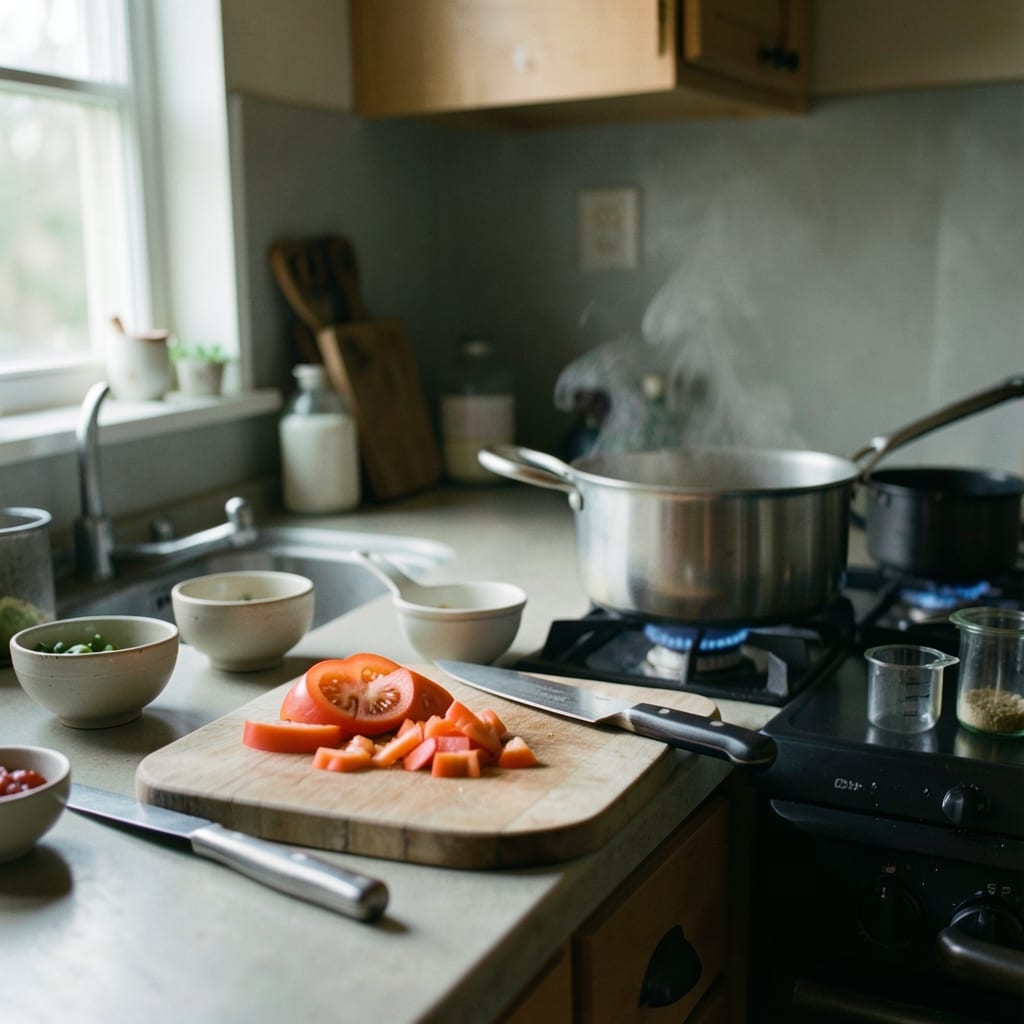
Now, every recipe is built here. We test them, photograph them in real kitchens, and write them with clear steps and troubleshooting notes. The site organizes recipes by skill level, kitchen tools, and dietary preferences, so you can find what you need without sifting through unrelated dishes. And the photos?
They’re taken with proper lighting, so you know what the final dish should look like before you start cooking.
| It used to be | Now it is |
|---|---|
| Recipes copied from other sites | Recipes written, tested, and photographed here |
| No clear organization—just a list of dishes | Grouped by technique, tools, and dietary needs |
| Photos taken on a phone in poor light | High-quality photos with consistent lighting |
| No way to filter beyond basic categories | Search and filters for skill level, time, and ingredients |
The one that took years
The biggest problem was trust. Early on, I assumed readers would take my word for it if I said a recipe worked, but that wasn’t enough. Too many dishes failed in real kitchens because the steps were unclear or the ingredients were mismeasured.
I’d get emails—still do, sometimes—saying a recipe didn’t turn out, and I’d realize I’d missed something in the instructions.
For years, I resisted the idea of testing every recipe multiple times. It felt like overkill, especially when I was still learning how to cook myself. But the complaints kept coming, and I finally admitted I was the bottleneck. The solution?
A small team of test cooks—friends, family, and a few paid contributors—who’d make each recipe at least three times before it went live. That added weeks to the process, but it cut down on the ‘this didn’t work’ messages by 90%.
Now, every recipe costs time and money. We buy ingredients in bulk to test measurements, rent professional lighting for photos, and pay for food styling when needed.
The upfront cost is higher, but it saves time in the long run—readers trust the recipes, and we don’t waste energy fixing mistakes after publication. The trade-off was worth it.
Meet the author

I used to think cooking was about following rules. My early recipes were just lists of ingredients and steps, like I’d seen in old cookbooks. I’d assume if I measured everything precisely, the dish would turn out fine—no matter how little I understood why.
Once, I published a recipe for a dish that required a rare technique, and a reader messaged to say it didn’t work. I replied with a shrug and a ‘maybe you didn’t do it right,’ which still makes me cringe now.
I also believed that if a recipe was good enough for my grandmother, it was good enough for anyone. That meant a lot of dishes here were stuck in the past—no modern twists, no adaptations for dietary restrictions.
I’d get frustrated when readers asked for changes, like swapping out butter or adjusting spice levels, and I’d tell them to ‘just use what the recipe says.’
That changed when my niece, who has a food allergy, asked me to help her find a safe version of her favorite dish.
Now, I write recipes the way I wish I’d been taught: with clear explanations of *why* each step matters, and with flexibility built in.
As Dominic Halloran, I run the site now—editing every recipe, deciding what gets tested, and making sure the team’s work meets the same high standard I hold myself to.
The site is still shaped by my grandmother’s lessons, but it’s also mine: bold flavors, traditional roots, and a kitchen that works for *your* table.
What did not change
The core idea hasn’t wavered: this site exists to make cooking feel less intimidating. Whether it’s a weeknight dinner or a holiday feast, the goal is the same—dishes that bring people together.
The tone might be more polished now, but the heart of it is still the same: recipes that work, explained in a way that makes sense.
Another thing that stayed the same is the focus on memory-making. My grandmother used to say, ‘Food isn’t just about eating—it’s about the hands that made it.’ That’s why we still include stories behind the dishes, even when they’re not strictly necessary.
Some of the oldest recipes here are the ones with the most comments about family gatherings or first-time successes.
What is still being fixed
Right now, we’re working on making the site faster—especially on mobile. Too many recipes take too long to load, and that’s frustrating for anyone cooking on the go.
We’re also testing a new way to organize recipes by ‘mood’ (cozy, celebratory, quick) so you can find a dish based on how you’re feeling, not just what’s in your pantry.
If you’ve got ideas—whether it’s a feature you’d love to see or a recipe you’d like us to test—we’d love to hear from you. The contact page is the best place to share your thoughts.
Things that would help
- Suggestions for new recipe categories (e.g., ‘one-pot meals for small kitchens’)
- Feedback on how we can improve recipe clarity or troubleshooting tips
- Requests for adaptations of existing recipes (dietary, ingredient swaps, etc.)
The recipes are grouped by category: Appetizers, Beverages, Breakfast & Brunch, Desserts, Main Courses and Reviews.