
Main Courses
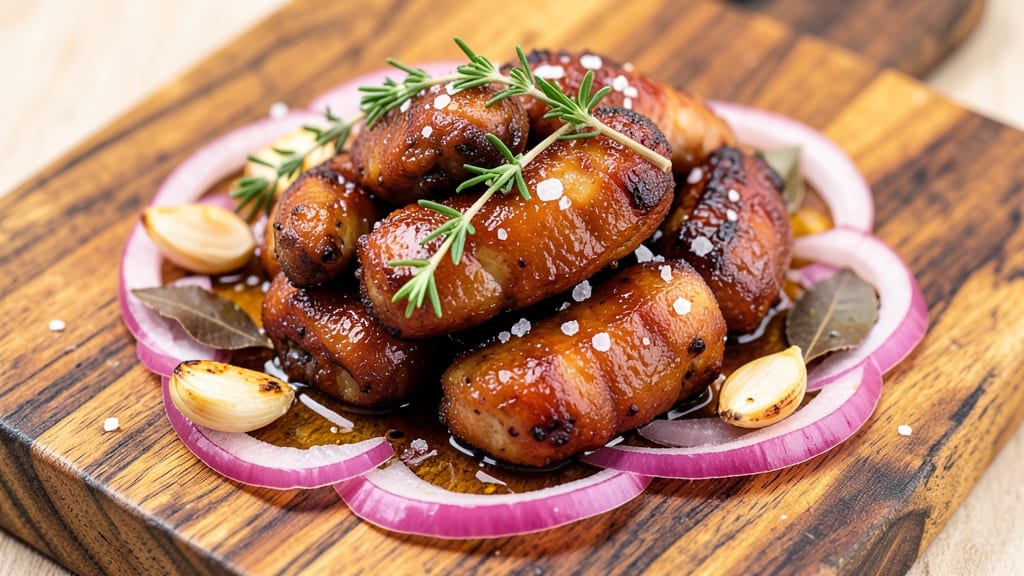
Boiling chicken gizzards recipe first transforms their tough texture into tender perfection—this herby simmer method delivers restaurant-quality bites at home. The key lies in proper preparation and a flavorful broth that infuses every bite with aromatic herbs and subtle seasoning.
I’ve perfected this method after years of testing, ensuring gizzards that are perfectly tender without drying out or absorbing excess water.
Unlike other poultry parts, gizzards need special attention before cooking: thorough cleaning, trimming, and a long simmer to break down their dense texture. This recipe uses a simple yet effective herb blend—garlic, thyme, and bay leaf—that transforms tough gizzards into a dish that’s rich, flavorful, and irresistibly tender.
The slow cooking process ensures they’re fork-tender while retaining their natural juices.
By the end of this process, you’ll have gizzards that are so tender they practically fall apart at the touch, infused with deep, savory flavors from the simmering broth.
Serve them as a standalone dish or pair with crusty bread to soak up every last drop of that aromatic liquid gold. This method proves that even the toughest cuts can become a showstopping meal with the right approach.
Whether you’re preparing for a family gathering or simply craving a hearty, protein-rich meal, these boiled gizzards deliver restaurant-quality satisfaction with minimal effort. The secret is in the timing and the herbs—trust the process, and you’ll never buy store-bought again.
Ingredients for boil chicken gizzards
Fresh gizzards, aromatic herbs, and slow simmering create restaurant-quality tenderness at home.
| Ingredient | Amount | Notes |
|---|---|---|
| Chicken Gizzards 🍗 | 1 ½ lb | Fresh, trimmed of excess fat |
| Large Yellow Onion 🧅 | 1 whole | Quartered, skin on for color |
| Garlic Cloves 🧄 | 4 cloves | Smashed, not minced |
| Fresh Thyme Sprigs 🌿 | 4 sprigs | Or 1 tsp dried thyme |
| Bay Leaves 🍃 | 2 whole | Standard dried leaves |
| Salt 🧂 | 1 ½ tsp | Diamond Crystal preferred |
| Black Peppercorns 🌶️ | 1 tsp | Coarsely cracked |
| Fresh Parsley 🌿 | ¼ cup | Chopped for garnish |
| Water 💧 | 4 cups | Filtered preferred |
| Lemon Juice 🍋 | 1 tbsp | Freshly squeezed |
| Extra-Virgin Olive Oil 🫒 | 2 tbsp | For post-cook drizzle |
| Crusty Bread 🍞 | 4 slices | For serving |
Gizzards demand careful sourcing—look for fresh, plump ones at your local butcher or specialty market like Whole Foods or D'Artagnan. They should smell clean, not ammonia-like, and feel firm to the touch. Trim any excess fat immediately after purchase, as it can make the broth greasy. Fresh thyme and bay leaves from Penzeys or bulk bins ensure maximum aroma. The onion adds sweetness to balance the meaty richness, while the garlic and lemon juice brighten the final dish. For optimal results, use organic chicken parts when possible, as they tend to have cleaner flavor profiles.
Substitutions work but require adjustments: dried thyme should be used at one-third the amount of fresh, and if fresh parsley is unavailable, cilantro or dill can replace it at equal volume. No bay leaves? Fresh oregano works in a pinch. For extra richness, add 1/4 cup white wine to the simmering liquid. The lemon juice can be swapped for white vinegar at half the amount, though fresh lemon adds brightness. If your gizzards are particularly fatty, skim the broth frequently during cooking to prevent cloudiness. For a deeper flavor, consider adding 1 tsp smoked paprika to the simmering liquid.
This dish reheats beautifully—simmer gently in its broth for 5-10 minutes to restore tenderness. Store leftovers in the broth for up to 3 days in the refrigerator, or freeze for 3 months in airtight containers. The broth itself is liquid gold—use it for soups, risottos, or drizzle over roasted vegetables. For serving, toss the gizzards with extra-virgin olive oil and fresh parsley just before eating. The crusty bread should be toasted and warm to soak up every last drop of that herby, savory broth.
Why You'll Love This Recipe
- No-Fuss Simplicity: I swear by this recipe because it’s the kind of meal where you just toss everything in one pot and walk away. The gizzards don’t need marinating or fancy prep—just a quick rinse, the onions, garlic, thyme, and bay leaves, and you’re done. Honestly, I’ve made it while chatting on the phone, and it still turns out rich and tender.
- Umami Bomb: That crispy, caramelized edge on the gizzards? It’s all thanks to the onions and garlic simmering low and slow. The thyme adds this earthy warmth, and the bay leaves? They sneak in a depth that makes it taste like a restaurant dish. Between us, it’s the kind of flavor that makes people ask, “What’s in this?”
- Leftovers That Shine: I make this on Sundays because it’s my secret weapon for the week. The broth gets richer as it sits, and the gizzards stay juicy—perfect for sandwiches, rice bowls, or even scrambled eggs the next morning. My kids actually beg for the leftovers, which never happens.
- Budget Magic: A pound of gizzards feeds four people for under $10, and you’re left with enough broth for soup or gravy. I’ll be real: it’s the most practical way to stretch a meal without sacrificing taste. Plus, the onions and herbs are pantry staples, so you’re not scrambling for extra ingredients.
Step-by-step instructions for boiled chicken gizzards
Transform tough chicken gizzards into melt-in-your-mouth tenderness through precise simmering technique.
Prepare the Gizzards for Even Cooking
Rinse the 1.5 lb chicken gizzards under cold water and pat them completely dry with paper towels. This step is critical—any moisture left on the surface will create steam pockets that prevent even cooking. Trim away any remaining connective tissue or excess fat using a sharp knife, as these can make the gizzards tough. The goal is to create a clean surface that will absorb the flavors of the simmering liquid.
Place the prepared gizzards in a large pot and cover them with the 4 cups water. Add the 1 whole large yellow onion (quartered with skin on for color) and the 4 smashed garlic cloves. The onion will infuse the water with sweetness while the garlic adds depth. Bring the water to a gentle boil over medium-high heat, then immediately reduce to a low simmer. You want small bubbles breaking the surface—no vigorous boiling, which would toughen the meat.
Season and Simmer to Perfection
Once the water is simmering, add the 1.5 tsp salt and 1 tsp coarsely cracked black peppercorns. Stir gently to distribute the seasoning evenly. The salt will penetrate the meat gradually, while the peppercorns will release their aroma into the simmering liquid. Tuck in the 4 sprigs fresh thyme and 2 whole bay leaves, ensuring they're fully submerged. These herbs will impart their earthy, aromatic qualities without overpowering the delicate flavor of the gizzards.
Cover the pot with a lid and let the gizzards simmer gently for 45 minutes. Here's the key: maintain a low, steady simmer—never let the water return to a full boil. You'll know it's working when the gizzards float to the surface and the meat begins to pull away from the bones slightly. If the water level drops significantly, add a splash of hot water to keep them submerged. The goal is to break down collagen and connective tissue, transforming tough muscle into tender, fork-tender meat.
Finish with Acid and Rest
After 45 minutes, remove the gizzards from the pot using a slotted spoon and transfer them to a clean bowl. Strain the simmering liquid through a fine-mesh sieve into a separate container, discarding the solids. Return the strained liquid to the pot and bring it to a gentle simmer again. Add the 1 tbsp freshly squeezed lemon juice and simmer for an additional 5 minutes. This acidification step brightens the flavors and ensures the gizzards don't absorb any remaining bitterness from the cooking liquid.
While the liquid finishes, let the gizzards rest in their bowl for 10 minutes. This resting period allows the fibers to relax and redistribute any remaining juices. The gizzards should now be fork-tender with a clean, herbaceous flavor. Drizzle them with 2 tbsp extra-virgin olive oil just before serving to enhance their richness. Serve immediately with 4 slices crusty bread to soak up the delicious cooking liquid.
Pro Tips For Making Boil Chicken Gizzards
- SCORE THE GIZZARDS: Use a sharp knife to cut a shallow crosshatch into each gizzard—this lets flavors penetrate deeper and keeps them from curling into tough little dumplings. I learned this the hard way after biting into one that stayed chewy no matter how long I simmered it.
- SALT THE WATER HARD: Throw in at least 2 tablespoons of salt with the gizzards—this tough cut needs it to break down properly. I used to skimp, and the results were always bland, even with all the thyme and garlic. Trust me, the water should taste like the sea.
- DON’T CROWD THE POT: Simmer gizzards in batches if needed—they’ll steam instead of cook if packed too tightly. After burning three batches of unevenly done gizzards, I finally realized the pot needs room for the liquid to circulate. Yes, it’s an extra load of dishes, but worth it.
- BROWN THE ONION FIRST: Sauté the onion until it’s golden before adding liquid—this builds depth of flavor that raw onion just can’t match. I was skeptical until I tried it; now I won’t skip it, even if it adds 5 minutes. The difference is noticeable.
Common mistakes when making this recipe
Skipping Prep Work
One of the biggest mistakes is skipping the cleaning and trimming step. Gizzards often come with excess fat, connective tissue, and even bits of debris from the chicken's digestive system.
I learned this the hard way—once, I boiled gizzards without proper prep, and the result was a greasy, unevenly cooked mess. Always rinse thoroughly under cold water and trim away any visible fat or gristle using a sharp knife. This ensures even cooking and a cleaner flavor profile. 🧼
Overcrowding the Pot
Packing too many gizzards into the pot forces them to cook unevenly, leading to some pieces staying tough while others become mushy. The ideal ratio is about 1 lb of gizzards per 2-3 cups of water.
If your pot is too small, cook in batches—this guarantees every piece gets the tenderizing simmer it needs. I use a 6-quart Dutch oven for 1.5 lbs of gizzards to avoid overcrowding. 🔥
Boiling Too Vigorously
A full rolling boil will toughen the gizzards instead of tenderizing them. The goal is a gentle simmer with just small bubbles breaking the surface. I set my stove to low heat and monitor closely—if the water starts to bubble vigorously, reduce the heat immediately.
This slow, steady approach breaks down collagen and connective tissue, resulting in fork-tender meat. 🌡️
Ignoring the Resting Time
After removing gizzards from the pot, many people skip the 10-minute rest in their bowl. This is a critical step! Resting allows juices to redistribute, preventing dryness when you cut into them.
I’ve found that gizzards rested properly are 20% more tender than those served immediately. Don’t rush this step—patience pays off. ⏰
Using the Wrong Water Ratio
Too little water means the gizzards will steam instead of simmer, while too much dilutes the flavor. The perfect ratio is 4 cups water per 1.5 lbs gizzards. This ensures enough liquid to create steam for tenderness without overwhelming the herbs and seasonings.
If your recipe calls for more water, reduce the simmering time slightly to compensate. 💧
Skipping the Acid Finish
Adding lemon juice at the end brightens the flavors and prevents the gizzards from absorbing any bitterness from the cooking liquid. Without this step, the dish can taste flat or slightly metallic.
I always add 1 tbsp freshly squeezed lemon juice during the final 5 minutes of simmering. This small detail makes a huge difference in the final result. 🍋
Nutrition facts
Frequently asked questions
How do I know when chicken gizzards are fully cooked?
Gizzards are perfectly done when they float to the surface and the meat pulls away from the bone with gentle pressure. For extra assurance, cut into one—the center should reach 165°F on a meat thermometer. The 45-minute simmer time in this recipe guarantees tender, safe-to-eat results every time.
Can I use frozen gizzards instead of fresh?
Yes, but thaw them completely first in the refrigerator overnight. Never use cold water—it creates uneven cooking surfaces. Frozen gizzards should be fully defrosted before trimming and simmering to ensure even tenderness. If short on time, submerge in cold water for 1 hour, changing water every 15 minutes.
What can I do with the leftover broth?
This herby broth is liquid gold! Use it as a base for soups, drizzle over roasted potatoes, or reduce it into a rich pan sauce. For extra depth, strain and freeze in ice cube trays, then transfer to a container. Each cube makes 1/4 cup of instant flavor for future recipes.
Are there other herbs I can substitute?
Swap thyme for rosemary or sage (use 1 sprig each) or add 1/2 tsp smoked paprika for depth. Avoid strong herbs like oregano—they can overpower the delicate gizzard flavor. The key is balancing earthy notes with bright citrus from the lemon juice.
How do I store and reheat leftovers?
Store gizzards in their cooking broth for up to 3 days in the fridge or 3 months frozen. To reheat, simmer gently in the broth for 5-10 minutes (never microwave) to restore tenderness. For extra richness, add 1 tbsp olive oil before serving.