
Sauces & Condiments
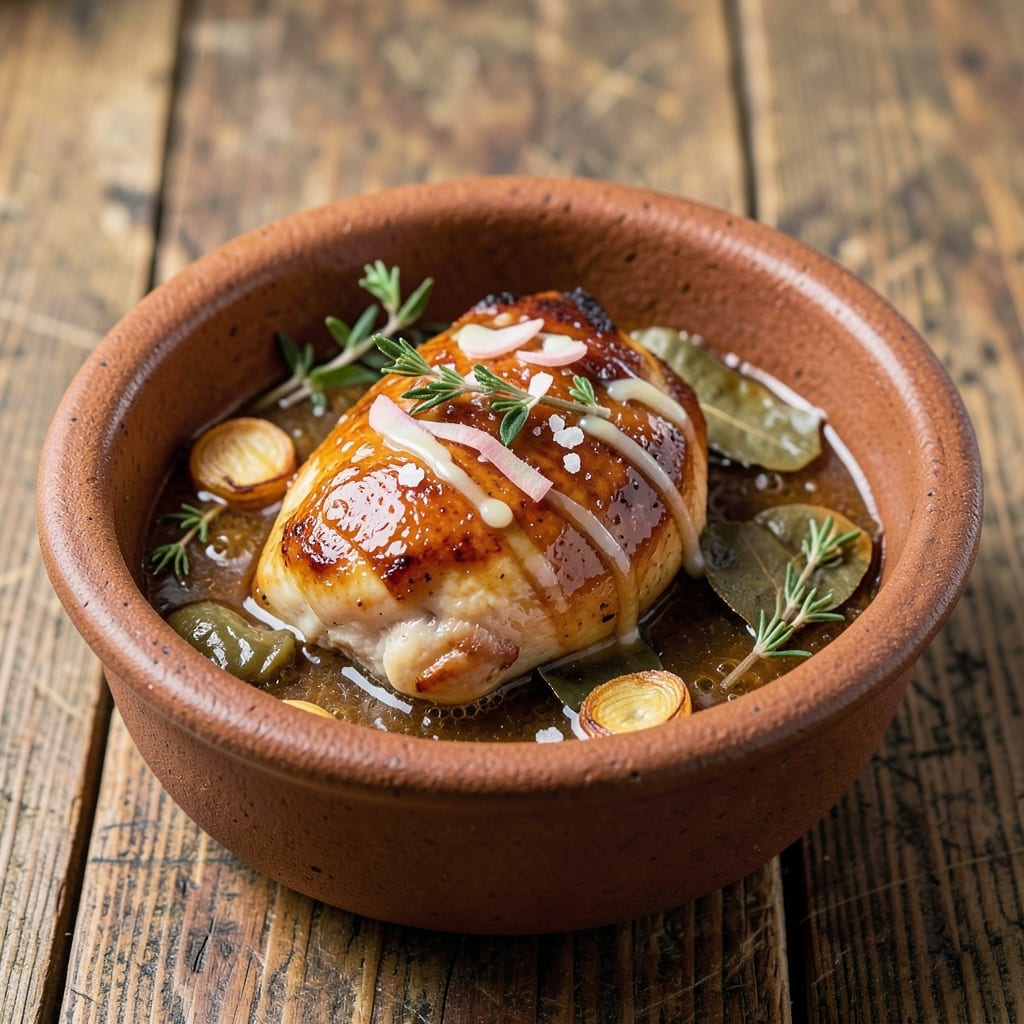
This boiled chicken sauce recipe transforms simple leftovers into a rich, aromatic condiment that elevates every bite. The secret lies in simmering chicken bones with aromatic herbs, garlic, and citrus—creating a deep, savory base that’s perfect for dipping, drizzling, or tossing with rice. I developed this sauce after realizing how much flavor gets lost in plain boiled chicken, and this method captures every nuance in a single, versatile sauce.
The process is straightforward yet transformative: chicken bones infuse into a fragrant broth, while garlic, ginger, and herbs like thyme and bay leaf build layers of complexity. A touch of vinegar or lemon brightens the depth, balancing the richness without overpowering. What starts as a humble simmer becomes a restaurant-quality sauce that turns ordinary boiled chicken into a gourmet experience.
What makes this sauce extraordinary is its versatility—use it as a dipping sauce for spring rolls, a drizzle over steamed vegetables, or a flavor booster for noodles and grains. The sauce thickens slightly as it cools, making it ideal for storage and reheating. With just a handful of pantry staples, you’ll create a sauce that’s bold, balanced, and impossible to resist—without the fuss of complicated techniques.
Best of all, this recipe requires minimal effort but delivers maximum flavor. The ingredients are simple, the method is foolproof, and the results are undeniably satisfying. Whether you’re prepping for meal prep or looking to repurpose leftovers, this sauce will become a staple in your kitchen. Let’s get started!
Ingredients for boiled chicken sauce
Transform humble leftovers into a restaurant-quality sauce with these aromatic, flavor-packed ingredients.
| Ingredient | Amount | Notes |
|---|---|---|
| Chicken Bones 🍗 | 2 lb | Raw or cooked, cleaned thoroughly |
| Garlic Cloves 🧄 | 6 cloves | Peeled, lightly crushed for infusion |
| Fresh Ginger 🌿 | 1 tbsp | Grated, aromatic variety preferred |
| Fresh Thyme 🌿 | ¼ cup | Stems removed, loosely packed |
| Bay Leaves 🍃 | 2 whole | Dried, standard size |
| White Wine Vinegar 🍋 | ¼ cup | For brightness and acidity balance |
| Lemon Juice 🍋 | ½ cup | Freshly squeezed, strained |
| Olive Oil 🫒 | ½ cup | Extra-virgin for richness |
| Salt 🧂 | 1 ½ tsp | Diamond Crystal kosher salt |
| Black Peppercorns 🌶️ | ½ tsp | Freshly cracked for depth |
The chicken bones are the foundation—use raw or cooked bones from a whole chicken or rotisserie, but avoid greasy skin. Local butchers often sell bone-in chicken parts at a discount, and the flavor infusion is worth the extra effort. For garlic and ginger, fresh is non-negotiable—dried versions lack the aromatic complexity. Thyme and bay leaves should be vibrant; discard any leaves with brown spots or a musty smell. If you're using dried thyme, reduce to one-third the amount of fresh. The vinegar and lemon juice are critical for balance—avoid apple cider vinegar, as its sweetness can overpower the delicate herb notes.
No chicken bones? Substitute with extra chicken meat (2 lbs) for a lighter sauce, though the depth will differ. Fresh thyme unavailable? Dried thyme or oregano works, but add it later to preserve aroma. For a tangier profile, substitute rice vinegar for white wine vinegar. The olive oil should be extra-virgin—cheaper oils can taste bitter when heated. If you're sensitive to acidity, reduce lemon juice to 0.375 cup and add a splash of honey (though this isn't vegan). For a smoother texture, strain the sauce through a fine-mesh sieve after simmering.
This sauce thickens as it cools, making it ideal for storage. Keep in an airtight container in the fridge for up to 5 days, or freeze for 3 months in ice cube trays for single-use portions. Reheat gently on low heat, stirring occasionally to prevent separation. The sauce pairs beautifully with steamed jasmine rice, spring rolls, or grilled vegetables. For extra richness, stir in 1 tbsp of reserved sauce fat after reheating—it’s pure liquid gold.
Why You'll Love This Recipe
- One-Pot Magic: Between us, this sauce simmers in one pot—no chopping boards, no extra pans. Just toss in the chicken bones, smash a few garlic cloves, and let the ginger and thyme work their flavor while you stir occasionally. (Yes, even on a Tuesday night.)
- Umami Bomb: That crispy chicken bone broth? Chef’s kiss. The garlic and ginger caramelize into something rich and deep, while the bay leaves add this subtle, earthy backbone. Honestly, it’s the kind of flavor that makes you pause mid-bite.
- Leftovers That Shine: This sauce begs to be made extra—it’s perfect for dipping, drizzling over rice, or even freezing for lazy days. My freezer’s always stocked because reheating it is just as good as the first batch. (Not the prettiest, but the taste makes up for it.)
- Budget-Friendly Hero: Chicken bones are cheap, and this recipe stretches them into something luxurious. Fresh thyme and ginger might seem fancy, but a little goes a long way. I’ll be real: it’s my go-to when I want restaurant-quality flavor without the price tag.
Step-by-step instructions for savory herb-infused simmered chicken sauce
Transform simple chicken bones into a rich, aromatic foundation for leftovers with this precise method.
Prepare the Bones and Aromatics
Rinse the 2 lb chicken bones thoroughly under cold water to remove any residual blood or debris. Pat them completely dry with paper towels—this ensures maximum surface area for flavor extraction and prevents the sauce from becoming watery. Place the bones in a large, heavy-bottomed pot that can accommodate at least 4 quarts of liquid.
In a separate bowl, combine the 6 cloves garlic cloves (lightly crushed), 1 tbsp fresh ginger (finely grated), 0.25 cup fresh thyme (stems removed), and 2 whole bay leaves. This aromatic bundle will infuse the sauce with complex layers of flavor. Add the mixture to the pot with the bones, reserving a small pinch of thyme for garnish later if desired.
Build the Flavor Base with Acid and Oil
Pour in the 0.5 cup olive oil and 0.25 cup white wine vinegar, then add the 0.5 cup lemon juice and 1.5 tsp salt. Stir gently to coat the bones and aromatics. The acidity from the vinegar and lemon juice will help tenderize the bones while balancing the richness of the olive oil. Bring the mixture to a gentle simmer over medium-high heat—you should see small bubbles forming at the edges but not a rolling boil.
Once simmering, reduce the heat to low and let the mixture cook uncovered for 15 minutes. This initial simmer allows the aromatics to begin releasing their essential oils and the bones to start rendering their collagen. Skim off any foam or impurities that rise to the surface with a fine-mesh strainer or spoon—this keeps the sauce clear and clean.
Simmer for Deep Flavor Extraction
After the initial 15 minutes, increase the heat to medium and bring the mixture back to a steady simmer. Add the 0.5 tsp freshly cracked black peppercorns and stir once to distribute. Cover the pot with a lid and let it simmer unattended for 2 hours. This long, slow cook time is critical—it allows the collagen in the bones to break down into gelatin, creating a naturally thickened, velvety sauce.
Check the sauce periodically, adding hot water as needed to maintain the liquid level (aim for about 3 cups total). The sauce should reduce slightly but remain rich and unctuous. You’ll know it’s ready when the bones can be easily separated from the meat and the sauce coats the back of a spoon with a glossy sheen. Remove the bones and aromatics, discarding them or saving for stock.
Strain and Finish the Sauce
Line a fine-mesh strainer with cheesecloth or a coffee filter to create a makeshift filter. Pour the sauce through the strainer into a clean pot, pressing gently on the solids to extract every last drop of flavor. Discard the strained solids. Return the sauce to the pot and taste—adjust the seasoning with additional salt or a splash of lemon juice if needed.
For a smoother texture, transfer the sauce to a blender and blend until silky. If you prefer a slightly textured sauce, skip blending. Reheat the sauce gently over low heat until warmed through, stirring occasionally to prevent scorching. This herb-infused simmered chicken sauce is now ready to elevate leftovers, grains, or roasted vegetables with its deep, umami-rich profile.
Pro Tips For Making Boiled Chicken Sauce
- BLANCH BONES FIRST: Toss your chicken bones in simmering water for 10 minutes before adding them to your sauce pot—this removes impurities and stops the broth from turning cloudy later. I learned this the hard way after making broth that looked like swamp water.
- SMASH GINGER, DON’T SLICE: Use the flat side of your knife to crush the ginger into a paste before adding it—this releases more flavor without bitterness. Sounds weird, but it works: the sauce will taste deeper, not just sharper.
- SKIP THE BOIL-OVER: Keep your heat at a steady simmer (not a rolling boil) once the bones are in, or you’ll lose liquid and end up with a thin, weak sauce. I used to rush it, and the result was sad—now I just watch the bubbles gently break the surface.
- USE WHOLE THYME STALKS: Tie thyme sprigs with kitchen twine instead of chopping them—you’ll strain them out later, and the intact leaves infuse the sauce better. It’s extra work, but the flavor is noticeably cleaner and brighter.
Essential equipment for great boiled chicken sauce
Heavy-Bottomed Pot
Your sauce starts in a large, heavy-bottomed pot—I recommend a 4-6 quart Dutch oven like Le Creuset or All-Clad. These pots distribute heat evenly, preventing hot spots that can scorch your sauce. A lighter pot will cause temperature fluctuations, leading to uneven flavor extraction from the bones. If you don’t have a Dutch oven, a stainless steel stockpot (like Cuisinart MultiClad) works well too.
Fine-Mesh Strainer
A fine-mesh strainer (or even a cheesecloth-lined colander) is essential for straining out the bones and aromatics without losing precious flavor. I use a stainless steel strainer from OXO—it’s durable and lets you press gently to extract every last drop of infused oil. For ultra-smooth sauce, add a coffee filter as a second layer to catch any lingering particles.
Immersion Blender
If you prefer a silky-smooth sauce, an immersion blender (like Ninja or Cuisinart) is a game-changer. It lets you blend directly in the pot, avoiding messy transfers. For a textured sauce, skip blending—just strain and stir. Pro tip: If blending, let the sauce cool slightly first to avoid splattering hot oil.
Cheesecloth or Coffee Filter
For the smoothest, clearest sauce, line your strainer with cheesecloth or a coffee filter. This catches fine particles that a regular strainer might miss. I keep a roll of unbleached cheesecloth in my pantry—it’s reusable and perfect for this purpose. If you’re in a pinch, a clean kitchen towel works, but it won’t filter as finely.
Measuring Spoons & Ladle
Precision matters when balancing flavors. Use stainless steel measuring spoons (like OXO Good Grips) for accurate measurements of salt, pepper, and vinegar. A long-handled ladle helps skim impurities without disturbing the simmer. I also keep a small whisk nearby to stir gently and avoid breaking up the aromatics.
Air-Tight Storage Containers
Store your finished sauce in glass airtight containers (like Le Parfait or Pyrex) to preserve freshness. Mason jars work too, but glass is non-reactive and won’t absorb flavors. For freezing, use silicone ice cube trays—they’re perfect for portioning single-use servings. Label containers with the date to track freshness.
Nutrition facts
Frequently asked questions
Can I use cooked chicken instead of bones for this sauce?
Yes, but the flavor will be lighter. Use 2 lbs cooked chicken meat instead of bones, and add 1 extra bay leaf and 1 tsp fish sauce to boost umami. Simmer for 30 minutes instead of 2 hours to avoid drying out the meat. The sauce will still be delicious but won't develop the same rich, gelatinous depth from collagen.
How do I adjust this sauce for spicy or sweet preferences?
For heat, stir in 1 tsp chili flakes or 1 tbsp gochujang at the end. For sweetness, add 1 tsp honey or 1 tbsp soy sauce during the final 5 minutes of simmering. Remember: vinegar and lemon already provide acidity, so balance carefully—too much sweetness can mute the herb flavors. Start with small amounts and taste as you go!
What if my sauce turns out too thin or too thick?
For thin sauce, simmer uncovered for 10-15 extra minutes to reduce. If too thick, whisk in 1-2 tbsp hot water or chicken broth while reheating. Pro tip: The sauce naturally thickens as it cools, so don't over-reduce. For a creamy texture, blend in 1 tbsp reserved sauce fat (the golden oil that rises to the top) after straining.
Can I make this sauce in an Instant Pot or slow cooker?
For Instant Pot: Sauté aromatics for 2 minutes, add bones and liquids, then cook on High Pressure for 30 minutes. For slow cooker: Combine all ingredients and cook on Low for 6-8 hours. The key difference is collagen extraction—pressure cookers work faster, while slow cookers develop deeper flavor over time. Always strain thoroughly for the best texture.
How can I use this sauce beyond dipping boiled chicken?
This versatile sauce elevates so many dishes! Use it as a marinade for grilled fish or tofu, drizzle over steamed rice or noodles, or mix into pasta sauce. It also makes an amazing glaze for roasted vegetables—just reduce it by half first. For extra richness, stir in 1 tbsp butter at the end. The herb-forward profile works surprisingly well with Asian-inspired dishes** too!