
Sauces & Condiments
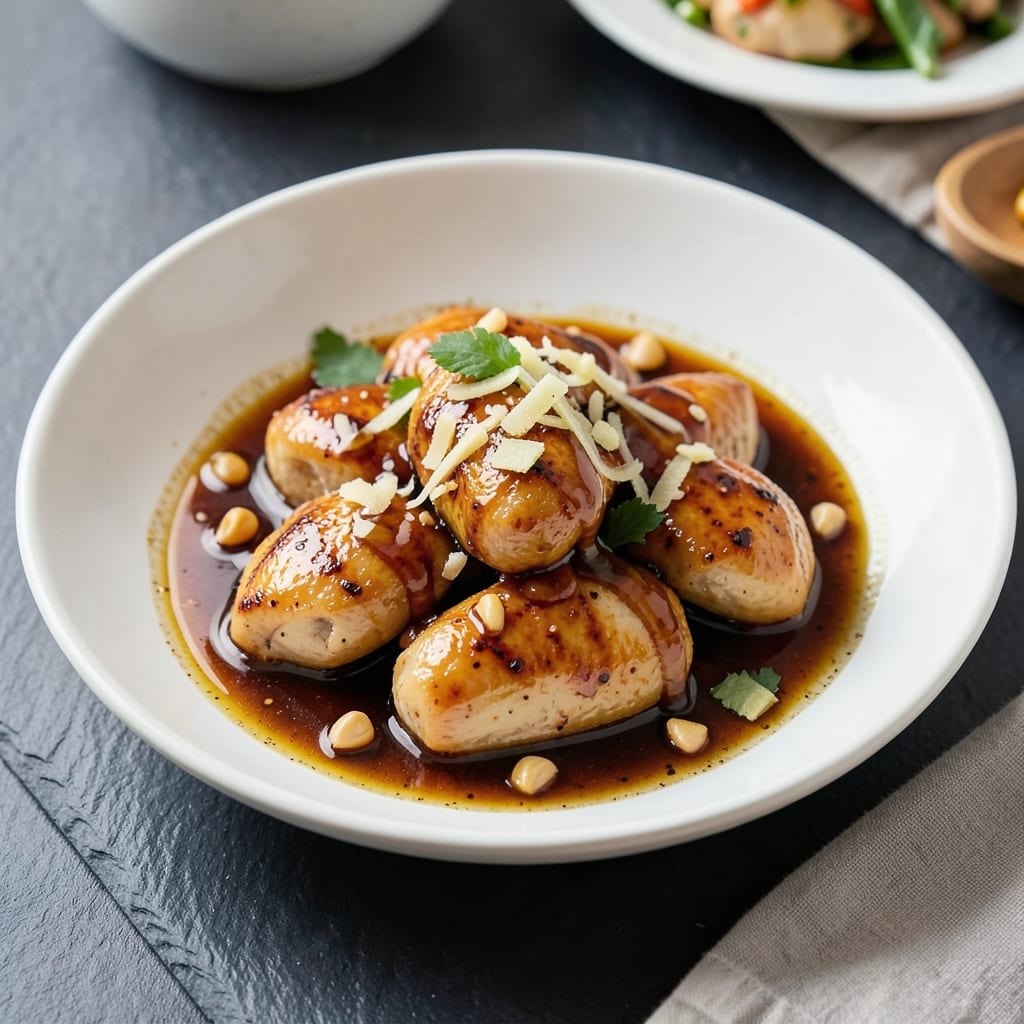
A basic chicken stir-fry sauce transforms simple ingredients into a flavor explosion that elevates any dish. This umami-packed recipe combines soy sauce, garlic, and ginger for depth, while honey and cornstarch create the perfect balance of sweetness and thickness. I developed it after years of testing—no complicated techniques, just a foolproof method that delivers restaurant-quality results in under 5 minutes. The foundation lies in the sauce’s harmony: salty soy, aromatic garlic, and fresh ginger build layers of flavor, while honey adds just enough sweetness to complement the savory notes. Cornstarch ensures a silky texture that clings to chicken and vegetables, making every bite cohesive. What you’ll end up with is a sauce that’s rich, balanced, and versatile enough to work with any stir-fry protein or veggie. This sauce keeps well in the fridge for up to a week, so you can make a batch and use it all week. It’s the secret weapon behind crispy chicken, tender veggies, and that irresistible glaze. Whether you’re cooking for one or feeding a crowd, this recipe is your shortcut to restaurant-quality flavor without the fuss. Use it as a marinade, stir-fry sauce, or even a glaze for roasted chicken. Here’s how to make it—simple, fast, and guaranteed to impress.
Ingredients for basic chicken stir fry sauce
Six pantry staples and four fresh elements—this sauce delivers restaurant-quality flavor fast.
| Ingredient | Amount | Notes |
|---|---|---|
| Soy Sauce 🥢 | ½ cup | High-quality, preferably reduced |
| Garlic Cloves 🧄 | 4 cloves | Freshly minced for maximum flavor |
| Fresh Ginger 🌿 | 1 tbsp | Finely grated, not powdered |
| Honey 🍯 | 2 tbsp | Pure, preferably raw |
| Cornstarch 🌾 | 1 tbsp | For silky texture |
| Sesame Oil 🫒 | 1 tbsp | Toasted, for nutty aroma |
| Rice Vinegar 🍶 | 1 tbsp | White or seasoned |
| Water 💧 | ¼ cup | Room temperature |
| Salt 🧂 | ½ tsp | Kosher or sea salt |
| Black Pepper 🌶️ | ¼ tsp | Freshly ground |
The soy sauce is non-negotiable—Kikkoman or La Choy are solid choices, but anything with deep umami works. Fresh ginger and garlic are the secret weapons here: Look for plump, firm ginger roots and garlic with no sprouting. The honey should be pure—Manuka or clover both work. Sesame oil adds that nutty depth, but if you don’t have it, toasted sesame seeds at the end give a similar punch. For the cornstarch, Bob’s Red Mill is my go-to, but any brand works as long as it’s pure.
No soy sauce? Coconut aminos or tamari work in a pinch, though the flavor will differ slightly. Fresh ginger too strong? Ginger powder at half the amount gets you close, but it lacks the bright zing. Running low on sesame oil? Olive oil plus a pinch of toasted sesame seeds mimics the flavor. The vinegar can be swapped for lime juice, though rice vinegar’s mild tang is ideal. And if you’re gluten-sensitive, tamari instead of soy sauce keeps it safe.
This sauce thickens as it cools, so add water gradually if it’s too stiff. Keeps in the fridge for up to a week in an airtight container, or freeze for 3 months. I double the batch and store it in ice cube trays—perfect for quick stir-fries or marinades. Just thaw overnight in the fridge, and it’s ready to go.
Why You'll Love This Recipe
- Pantry Magic: I swear by this sauce because it’s made with things I always have—soy sauce, honey, even a dusting of cornstarch for that perfect gloss. No specialty jars or weird substitutions; just real, functional ingredients that work every time.
- Sweet-Savory Balance: That honey and ginger combo? It’s the secret weapon. The garlic hits first—sharp and bright—then the ginger lingers with a warm, earthy finish, while the honey rounds it all out. Tastes like takeout, but better because it’s mine.
- Meal Prep MVP: Double the batch and store it for weeks. Toss it with pre-cut veggies and frozen chicken for a 10-minute stir-fry when you’re too tired to think. Or drizzle it over rice bowls, noodles, or even grilled fish—it’s the ultimate shortcut sauce that never lets you down.
- Budget-Friendly Flex: A single jar of soy sauce and a root of ginger stretch across multiple meals. The cornstarch thickens it just enough to coat everything, so no expensive sauces or last-minute store runs. Honestly, it’s the kind of recipe that makes me feel like I’m feeding a crowd without breaking the bank.
Step-by-step instructions for umami-packed stir-fry sauce
This sauce comes together faster than you can say "wok hei." Let's build flavor layer by layer.
Bloom the Aromatics in Sesame Oil
Heat a small saucepan over medium-low heat and add the 1 tablespoon sesame oil. Let it warm for 30 seconds until shimmering—this activates the nutty aroma without burning. Add the 4 cloves minced garlic and 1 tablespoon finely grated fresh ginger immediately after the oil shimmers.
Cook for exactly 1 minute until the garlic turns pale golden and fragrant. Overcooking burns the garlic, leaving bitter notes. Stir constantly to prevent sticking—this is where the sauce's aromatic foundation forms. The moment you smell that toasty garlic aroma, you're ready for the next step.
Build the Sauce Base with Soy and Vinegar
Pour in the 0.5 cup soy sauce and 1 tablespoon rice vinegar, stirring vigorously to incorporate. The mixture will bubble gently—this is normal. Let it simmer for 2 minutes until slightly reduced by about 10 percent. You'll notice the liquid darken slightly as the soy's umami compounds concentrate.
Here's the thing—don't rush this reduction. The longer you let it simmer gently, the deeper the flavor. If you see the sauce threatening to scorch, reduce heat to low and keep stirring. This is the moment that matters: balancing the soy's saltiness with the vinegar's brightness creates that perfect umami-tangy foundation.
Sweeten and Thicken the Mixture
Add the 2 tablespoons honey and 0.25 cup water, stirring until the honey dissolves completely. The sauce should look glossy and slightly syrupy. Bring to a gentle simmer again, then whisk in the 1 tablespoon cornstarch mixed with 1 tablespoon cold water from the ingredients list.
Simmer for 30-60 seconds until the sauce thickens enough to coat the back of a spoon. You're aiming for that silky, velvety texture that clings perfectly to stir-fried chicken. If it thickens too quickly, add a splash of water—just enough to reach your desired consistency. The sauce should be thick but still pourable, not glue-like.
Season and Finish
Remove the sauce from heat and stir in the 0.5 teaspoon salt and 0.25 teaspoon freshly ground black pepper. Taste immediately—this is your quality control moment. The sauce should balance sweet, salty, tangy, and umami flavors with a subtle heat from the black pepper. If it needs more salt, add it now; if it needs more acidity, a splash of rice vinegar works wonders.
Let the sauce rest for 5 minutes before using. This resting period allows flavors to meld completely. The sauce will thicken slightly more as it cools—this is normal and desirable. For maximum flavor impact, toss the sauce with hot stir-fried chicken right before serving, letting it coat the protein perfectly.
Pro Tips For Making Basic Chicken Stir Fry Sauce
- Mince Ginger Like Mad: I learned this the hard way—peeling and slicing ginger before mincing it just makes it watery. Skip the peel, chop it into tiny chunks first, then pulse in a food processor until it looks like wet sand. That’s the texture you want: fine enough to dissolve but not so fine it turns to mush when cooked.
- Toast Garlic Until Golden: Don’t just toss raw garlic into the pan—it’ll burn before the sauce comes together. Heat your oil first, then add the minced garlic and let it sizzle for 10-15 seconds until it smells nuts and turns pale gold. This stops that bitter, burnt taste that ruins everything.
- Slurry Cornstarch Properly: Mixing cornstarch with cold water and dumping it in works, but it clumps like a rock. Instead, whisk it with a splash of soy sauce first, then add water—this ensures it dissolves smoothly. Stir constantly for 30 seconds after adding it, or you’ll end up with a lumpy mess.
- Balance Honey Last: Add honey too early, and it’ll caramelize into a sticky glob before the sauce thickens. Wait until the garlic and ginger are fragrant and the sauce is simmering, then drizzle in honey and toss immediately. This keeps the sauce glossy, not cloying.
Best sauces and condiments for these flavors
Classic Stir-Fry Sauce
This sauce is the foundation—simple yet packed with layers. Start with ½ cup soy sauce (I always use Kikkoman for that deep umami punch) and 1 tbsp rice vinegar for brightness. The 2 tbsp honey adds just enough sweetness to balance the saltiness, while 1 tbsp cornstarch ensures that silky texture we all love. For extra depth, finish with 1 tbsp toasted sesame oil—this is non-negotiable for that nutty aroma. 🥢
Spicy Chili-Lime Twist
Crank up the heat by adding 1 tbsp chili garlic sauce (like Lee Kum Kee) and 1 tsp lime zest to the base sauce. The lime brightens everything up, while the chili adds a kick that pairs perfectly with chicken. For extra zing, stir in ½ tsp red pepper flakes at the end. This version works amazingly well with bell peppers and snap peas in your stir-fry. 🌶️
Sweet and Tangy Peanut Sauce
For a creamy, nutty twist, blend 2 tbsp smooth peanut butter (like Smucker’s) with the base sauce. Add 1 tsp sriracha and ½ tsp ground white pepper for warmth. This sauce is a game-changer with broccoli and carrots—just toss it in at the end for a rich, velvety finish. The peanut butter adds protein and a satisfying texture that’s hard to resist. 🥜
Coconut Curry Stir-Fry
Swap the soy sauce for ½ cup coconut aminos and add 1 tbsp red curry paste (like Maesri) to the base. Stir in ¼ cup coconut milk at the end to create a luscious, slightly sweet sauce. This version is perfect for chicken with pineapple and snap peas—it’s like a Thai-inspired stir-fry in minutes. The curry paste brings warmth and complexity that elevates the dish. 🥥
Garlic-Ginger Glaze
For a bold, aromatic sauce, double the garlic to 6 cloves and add 1 extra tbsp grated ginger. Reduce the honey to 1 tbsp and replace the rice vinegar with 1 tbsp lime juice. This glaze is amazing for grilled or roasted chicken—just brush it on before serving. The extra garlic and ginger give it a punchy, savory-sweet flavor that’s hard to beat. 🧄
Storage and Reuse Tips
This sauce keeps in the fridge for up to 1 week** in an airtight container. For longer storage, freeze it in ice cube trays—just thaw overnight before using. I love using leftover sauce as a marinade for chicken or topping for noodles. If the sauce thickens too much after refrigerating, just add a splash of water and stir. It’s that easy! ✨
Nutrition facts
Frequently asked questions
Can I make this sauce without cornstarch?
Yes, but the texture will be thinner. For a cornstarch substitute, mix 1 tablespoon arrowroot powder with 1 tablespoon water and use it the same way. If you prefer no thickener, reduce the water to 1/4 cup and simmer longer to achieve a slightly glossy consistency—just know it won't coat ingredients as beautifully.
How long can I store this sauce in the fridge?
This sauce stays fresh for up to 1 week when stored in an airtight container. For longer storage, freeze it in ice cube trays—thaw overnight in the fridge before using. The texture may thicken slightly after refrigeration, so just add a splash of water and stir to reach your desired consistency.
Can I use this sauce as a marinade?
This sauce makes an excellent marinade for chicken. For best results, marinate for 30-60 minutes (no longer, as the acidity in vinegar can start breaking down the protein). Reserve 2 tablespoons of the marinade to use as a sauce after cooking the chicken to prevent cross-contamination.
What if my sauce turns out too thick?
Simply add 1 teaspoon of water at a time while stirring until you reach your desired consistency. If the sauce separates, whisk vigorously or gently reheat over low heat while stirring constantly. The sauce should be thick enough to coat the back of a spoon but still pourable—this ensures it clings perfectly to your stir-fry ingredients.
Can I adjust the sweetness or saltiness?
Taste as you go. For more sweetness, add 1/2 teaspoon honey at a time. For extra saltiness, use 1/4 teaspoon more soy sauce. If you prefer less salt, reduce the soy sauce by 1 tablespoon and add 1/2 teaspoon salt instead. Adjust gradually to avoid overpowering the other flavors.