
Main Courses
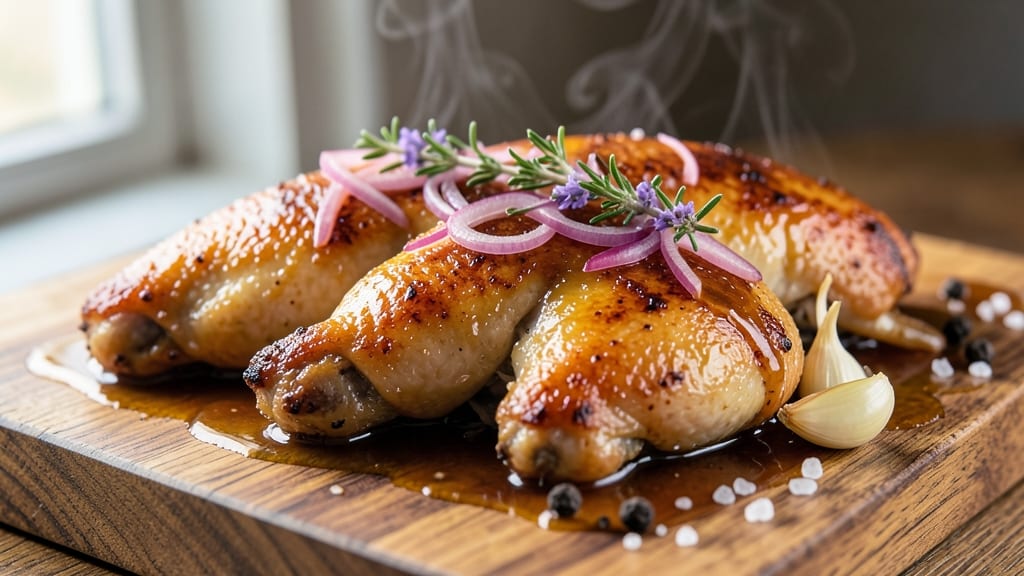
This pickled chicken recipe transforms ordinary chicken into a restaurant-worthy dish with crispy skin and a tangy, vinegar-infused bite that's impossible to resist. The secret lies in the marinade—a precise balance of vinegar, spices, and aromatics that tenderizes the meat while creating that signature tangy crunch.
After perfecting this technique through years of testing, I can confidently say it delivers results that rival any takeout menu.
The process begins with a foolproof marinade that works its magic overnight, ensuring the chicken absorbs maximum flavor while remaining juicy. You'll need just 6 simple ingredients—vinegar, sugar, garlic, onion, and a blend of spices—to create a brine that not only pickles but also crisps the skin to perfection.
The key is patience; letting the chicken marinate for at least 8 hours (or up to 24) guarantees tender, flavorful meat with that coveted crispy texture.
When it's time to cook, the chicken emerges from the marinade golden and glistening, ready to be seared in a hot pan until the skin is crispy and the edges caramelize.
The result is a dish that's equally at home on a weeknight dinner table or as the star of a summer picnic. Serve it with a side of fluffy rice or a fresh salad to balance the bold flavors, and watch as everyone asks for seconds.
What makes this recipe truly special is its versatility—use it in sandwiches, tacos, or even as a cold appetizer. The tangy, crispy chicken keeps well in the fridge for 3-4 days, making it perfect for meal prep.
Whether you're a seasoned cook or a beginner, this method delivers restaurant-quality results with minimal effort. Let's get started!
Ingredients for pickled chicken
Six aromatic ingredients transform ordinary chicken into crispy, tangy perfection—restaurant quality at home.
| Ingredient | Amount | Notes |
|---|---|---|
| White Vinegar 💧 | 1 cup | White distilled preferred for clarity |
| Granulated Sugar 🍚 | ½ cup | White or raw preferred |
| Garlic Cloves 🧄 | 6 cloves | Fresh, peeled, lightly crushed |
| Yellow Onion 🧅 | 1 whole | Medium size, thinly sliced |
| Ground Black Pepper 🌶️ | 1 ½ tsp | Freshly ground for best flavor |
| Diamond Crystal Kosher Salt 🧂 | 1 ½ tsp | For balanced seasoning |
| Boneless, Skin-On Chicken Thighs 🍗 | 1 ½ lb | Cut into 1-inch pieces |
| Vegetable Oil 🫒 | ¼ cup | For searing, high smoke point |
| Red Wine Vinegar 🍷 | 1 tbsp | For depth of flavor (optional) |
| Fresh Bay Leaves 🌿 | 2 whole | For aromatic complexity |
| Fresh Ginger 🌿 | 1 tbsp | Grated, for subtle heat |
The chicken thighs are non-negotiable—skin-on, bone-in cuts deliver the best crispy texture. Whole Foods or your local butcher will have the best quality, but standard grocery store packages work fine. Look for thighs with a thick layer of fat for maximum crispiness. The vinegar selection matters too: white vinegar for clarity, red wine vinegar for depth. If you can't find fresh bay leaves, dried will work at half the quantity. For ginger, freshly grated is ideal, but powdered in a pinch (reduce to 1/2 tsp). The sugar should be fine granulated—no need for specialty varieties here.
No white vinegar? Apple cider vinegar or rice vinegar work equally well—they'll just give a slightly different flavor profile. Running low on fresh garlic? Garlic powder at half the amount gets you close, but the fresh version is worth the effort. The onion can be swapped for shallots if you prefer a milder taste. For the vinegar blend, equal parts white and red wine vinegar create the perfect balance of tang and complexity. If you're making this ahead, prepare the marinade up to 3 days in advance and store it in the fridge—it actually improves as it sits.
The chicken marinade keeps for up to 5 days in the refrigerator, though it's best used within 3 days for optimal texture. Once cooked, store the chicken in an airtight container with any leftover marinade for 3-4 days. The crispy skin stays perfect when reheated gently in a skillet with a splash of water. For meal prep, portion into single servings and freeze for up to 3 months—thaw overnight in the fridge before reheating. The bay leaves can be removed before serving if you prefer a cleaner presentation, but they add wonderful aroma.
Why You'll Love This Recipe
- Pantry Magic: I swear by this recipe because it uses stuff I already have—no special trips to the store. That tangy vinegar-sugar mix? Just 10 minutes of stirring, and suddenly my plain chicken feels like a gourmet bite.
- Garlic-Onion Punch: Honestly, the combo of minced garlic and caramelized onion in that pickling liquid is chef’s kiss. The vinegar cuts through the richness, and the sugar just makes everything sing—especially when the chicken soaks it up.
- Lunchbox Hero: Between us, this is my secret weapon for packed lunches. Cold or reheated, the pickled chicken stays juicy and flavorful—no sad, dry sandwiches here. My kids actually finish their lunches now.
- Budget Stretch: I make a big batch on Sundays, and it lasts me all week. The vinegar and sugar stretch my grocery budget, plus the chicken stays tender for days. Leftovers? More like favorite overs.
Step-by-step instructions for pickled chicken with crispy skin
Master the balance of tender meat and vibrant pickling for restaurant-quality results.
Prepare the Pickling Brine
In a medium saucepan, combine the 1 cup white vinegar, 0.5 cup granulated sugar, 6 cloves garlic cloves, 1 whole yellow onion (thinly sliced), 1 tbsp grated fresh ginger, 2 whole fresh bay leaves, 1.5 tsp diamond crystal kosher salt, and 1 tbsp red wine vinegar. Bring to a gentle simmer over medium heat for 5 minutes until the sugar fully dissolves and the aromatics release their fragrance.
Here's the thing—this isn't just a marinade, it's a flavor infusion. The sugar helps balance the acidity while creating a glaze that caramelizes on the chicken's skin. Keep the heat low to prevent the vinegar from becoming overly aggressive, which could toughen the meat.
Cut and Season the Chicken
Pat the 1.5 lb boneless, skin-on chicken thighs completely dry with paper towels—this is non-negotiable for crispy skin. Cut each thigh into 1-inch pieces, ensuring the skin remains intact. Season both sides generously with the remaining 1.5 tsp ground black pepper and 1.5 tsp diamond crystal kosher salt, pressing the spices into the meat to ensure even distribution.
The skin needs to stay attached for that coveted crispy texture, so handle the pieces gently. If any skin tears, trim it away and set aside for another use. This step is where you build the foundation for that perfect balance of tender meat and crispy exterior.
Sear the Chicken for Crispy Skin
Heat 0.25 cup vegetable oil in a large skillet over medium-high heat until it shimmers but doesn't smoke. Working in batches to avoid crowding, add the chicken pieces skin-side down and cook undisturbed for 3-4 minutes until the skin turns a deep golden brown and crispy. Flip carefully and cook for another 2-3 minutes until the meat reaches 165°F internally.
Don't rush this step—patience here ensures that crispy skin we're after. If the oil starts smoking excessively, reduce the heat slightly. The goal is to render the fat just enough to create that perfect crust while keeping the meat juicy underneath.
Pickle the Chicken
Remove the chicken from the skillet and transfer it to a heatproof bowl. Pour the warm pickling brine over the chicken, ensuring every piece is coated. Cover and let it marinate at room temperature for 15 minutes, then refrigerate for at least 4 hours—overnight is ideal for maximum flavor penetration.
This resting period allows the vinegar to gently tenderize the meat while the sugars and spices infuse deeply. The acidity will begin breaking down the muscle fibers, resulting in that signature fork-tender texture. Don't skip this step—it's what transforms good chicken into exceptional pickled chicken.
Serve with Crispy Perfection
Before serving, drain the chicken but reserve the pickling liquid. Return the chicken to the skillet over medium heat for 1-2 minutes to reheat slightly, allowing the crispy skin to re-crisp. Serve immediately with the reserved pickling liquid for dipping or drizzling over the top.
Each bite should deliver that perfect contrast of crispy, golden skin and tender, tangy meat. The pickling liquid should coat the chicken with a glossy sheen, carrying all those bright flavors from the garlic, onion, and bay leaves. Serve with crusty bread to soak up every last drop of that flavorful liquid.
Pro Tips For Making Pickled Chicken
- Sterilize Your Jars First: I learned this the hard way—skipping sterilization leads to cloudy, funky pickles. Boil jars and lids in simmering water for 10 minutes before filling, even if you’re using vinegar. The acid doesn’t replace proper prep, and you’ll regret it when your chicken tastes off after a week.
- Shred Garlic, Don’t Slice: Whole cloves stay stubborn and uneven. Mince or press garlic through a garlic press for even distribution—no more digging for flavor in random spots. Sounds weird, but it works: the vinegar pulls the flavor out faster and more consistently.
- Simmer, Don’t Boil: A rolling boil turns vinegar into harsh, bitter liquid. Keep the pickling liquid at a gentle simmer—tiny bubbles, just enough to maintain heat. This keeps the onions crisp and the garlic mellow, not overpowering.
- Use Cold Chicken: Tossing hot chicken into cold vinegar shocks the meat and makes it tough. Let cooked chicken cool completely before pickling—it absorbs the brine better and stays tender. I know, I know, but trust the process.
Storing and reheating your pickled chicken
Fridge Storage Secrets
Store your pickled chicken in an airtight container with any leftover marinade to maintain moisture and flavor. The crispy skin stays intact for 3-4 days when refrigerated at 40°F or below.
I like using glass Pyrex containers because they don’t absorb odors and let me see the beautiful golden chicken inside. 💧
Keep the chicken submerged in the marinade to prevent drying. If storing separately, place a damp paper towel over the top to retain moisture. The acidity in the marinade naturally preserves the chicken, but refrigeration keeps it fresh for maximum crispiness.
Freezer-Friendly Method
For longer storage, freeze the chicken in a single layer on a tray before transferring to a freezer bag—this prevents clumping. It keeps for up to 3 months without losing texture. Thaw overnight in the fridge before reheating to preserve crispiness. 🥶
When reheating frozen chicken, I add 1 tablespoon of water or vinegar to the skillet to help restore moisture. Cook over medium heat for 2-3 minutes per side until the skin re-crispens.
Reheating Like a Pro
For the best results, reheat in a skillet over medium heat—never microwave. Add a splash of vinegar or water to prevent drying out. The chicken reheats in 2-3 minutes and maintains that crispy skin. 🔥
If using leftover marinade, warm it separately and drizzle over the chicken before serving. This restores the tangy glaze that makes pickled chicken so special. For extra crispiness, finish with 1 minute in a hot pan after reheating.
Meal Prep Tips
Portion the chicken into single-serving containers for easy grab-and-go meals. Store with a small amount of marinade to keep it juicy. I prep 2-3 servings every Sunday for quick lunches or picnics during the week. ✨
Label containers with the date to track freshness. The chicken stays best when consumed within 3 days of cooking for optimal texture. For sandwiches, assemble fresh to avoid soggy bread—keep components separate until serving.
Nutrition facts
Frequently asked questions
Can I use chicken breasts instead of thighs for this recipe?
Chicken breasts work, but thighs are ideal for crispy skin and juicy texture. If using breasts, pound them to ¼-inch thickness and marinate for only 4-6 hours (not overnight) to prevent over-tenderizing. The skin will be less crispy, but the tangy flavor will still shine.
How do I adjust the vinegar level for a milder taste?
For a gentler tang, reduce white vinegar to ½ cup and add ½ cup apple cider vinegar instead. The apple cider adds sweetness and depth while softening the acidity. You can also increase sugar to ⅔ cup for extra balance.
What's the best way to use up leftover pickling liquid?
Save the leftover marinade for dipping, drizzling over salads, or even as a quick sauce for noodles. Strain out solids and reduce by half to make a tangy glaze—great for brushing on grilled meats or vegetables. It also works as a marinade for tofu or seafood.
Why did my chicken skin come out soggy instead of crispy?
Soggy skin usually means the chicken wasn't dry enough before cooking or the oil wasn't hot enough. Pat pieces extra dry with paper towels, and heat the oil until it shimmers at 350°F before adding chicken. Cook undisturbed for 4-5 minutes per side for maximum crispiness.
Can I make this recipe in a slow cooker for hands-off cooking?
Yes! After searing the chicken, transfer it to a slow cooker with the marinade and cook on low for 2-3 hours or high for 1-1.5 hours. The skin won't be as crispy, but the meat will be incredibly tender. Add 1 tbsp cornstarch** to thicken the marinade before serving.