
Sauces & Condiments
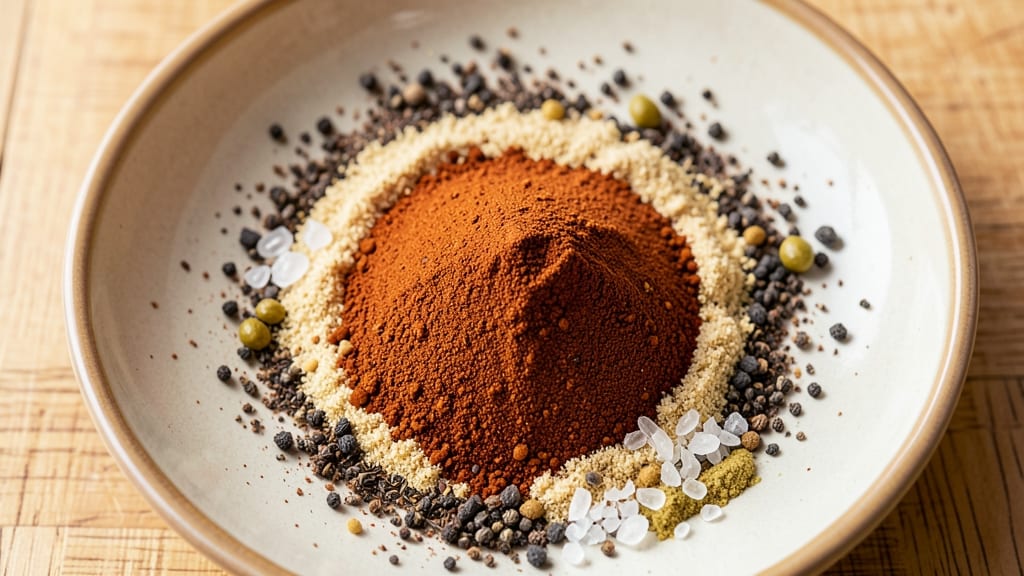
A simple McCormick chicken seasoning recipe transforms ordinary grilled chicken into juicy, restaurant-quality flavor without the preservatives. This dry rub mimics the iconic flavor profile—smoky, savory, and perfectly balanced—so every bite delivers that familiar, crave-worthy taste.
I developed this blend after years of testing, ensuring it works as a dry rub, marinade base, or finishing seasoning for any chicken dish.
The blend is simple yet powerful, combining classic spices like paprika, garlic powder, and black pepper with just enough salt and celery salt for depth. Unlike store-bought versions, this mix stays fresh for months in an airtight container, ready to elevate everything from grilled breasts to roasted wings.
The precise measurements ensure consistent flavor every time, making it a foolproof addition to your pantry.
What makes this blend special is its versatility—use it on raw chicken before cooking for maximum flavor penetration, or sprinkle it generously over finished dishes for a quick, professional touch.
The spices work together to create a harmonious balance of heat, saltiness, and umami, transforming even the simplest chicken recipe into something extraordinary.
Perfect for meal prep, holiday cooking, or spontaneous grilling nights, this seasoning blend is a game-changer for anyone who loves bold, flavorful chicken. Let’s get started with the ingredients—you’ll never go back to store-bought again.
Ingredients for mccormick chicken seasoning
Nine premium spices crafting restaurant-quality chicken flavor at home.
| Ingredient | Amount | Notes |
|---|---|---|
| Smoked Paprika 🌶️ | 3 tbsp | High-quality, vibrant red hue |
| Garlic Powder 🧄 | 2 tbsp | Freshly ground preferred |
| Ground Black Pepper 🌶️ | 1 tbsp | Coarsely ground for texture |
| Celery Salt 🧂 | 1 tbsp | For authentic umami depth |
| Ground Mustard 🌿 | 1 tbsp | Dry, powdered form |
| Onion Powder 🧅 | 1 tbsp | Finely ground for smooth blend |
| Kosher Salt 🧂 | 1 tbsp | Diamond Crystal preferred |
| Ground Ginger 🌿 | ½ tbsp | Freshly ground for warmth |
| Cayenne Pepper 🔥 | ¼ tbsp | Adjust for heat preference |
The smoked paprika is the heart of this blend—Penzeys or McCormick brand delivers the deepest, most consistent smokiness. For authentic results, source your spices from bulk bins at Whole Foods or specialty markets, where they retain their volatile oils longer. Freshly ground spices like garlic powder and black pepper elevate the blend significantly; pre-ground spices lose potency within weeks. The celery salt may require a specialty store—Gourmet Gift Baskets carries a reliable version—but you can substitute with a mix of regular salt and finely ground celery seed if needed. Store all spices in airtight containers away from light to preserve their aromatic compounds for up to 6 months.
Substitutions should preserve the blend's signature profile. Sweet paprika plus a pinch of liquid smoke mimics smoked paprika if unavailable, though the flavor won't be identical. For onion powder, finely ground dehydrated onion flakes work in a pinch, but the texture will differ slightly. The ground mustard can be omitted entirely if you dislike its tang, though it contributes subtle complexity. Heat-sensitive? Reduce the cayenne to 1/8 tbsp or swap for a pinch of red pepper flakes. Always toast whole spices briefly before grinding to intensify their flavors—this simple step transforms ordinary spices into professional-grade seasoning.
This blend maintains peak potency for 6-12 months when stored properly in a cool, dark cabinet. For long-term storage, divide into small batches and freeze in airtight containers—thaw at room temperature before use. The seasoning works equally well as a dry rub, marinade base (mix with oil), or finishing dust. For meal prep, portion individual servings into labeled containers; the flavor remains vibrant even after 3 months in the freezer. Unlike commercial blends, this homemade version delivers unparalleled depth and customizable heat levels—perfect for both novice cooks and seasoned grill masters.
Why You'll Love This Recipe
- Pantry Magic: I swear by this mix when I forget fresh herbs—just shake, sprinkle, and boom. The smoked paprika gives it that smoky depth without needing a grill, and honestly? It’s the kind of flavor that makes even plain chicken taste like it belongs on a restaurant menu.
- Weeknight Hero: Between us, this is my go-to when I’m staring at a raw chicken breast at 7:30 PM. Five minutes of tossing and baking, and I’ve got dinner. The celery salt and mustard add this weirdly perfect tang that cuts through the richness—no fancy sauce required.
- Leftovers That Don’t Suck: This seasoning actually improves the second day. I’ll make a big batch of chicken thighs, let them crisp up, then reheat them in the oven until they’re golden again. The garlic powder and black pepper keep it punchy, so it’s never dry or boring—just reliable.
- Budget Flavor Bomb: I buy these spices in bulk, and this combo costs me pennies per serving. For the price of one takeout meal, I’ve got enough seasoning to turn a whole chicken into something that’ll have my family fighting over seconds. Not the prettiest, but the taste makes up for it every time.
Step-by-step instructions for homemade chicken seasoning
Here's the precise method for crafting a restaurant-quality blend that delivers deep flavor and moisture to every bite.
Measure Ingredients with Precision
Begin by gathering all components in a medium mixing bowl. I recommend using a measuring spoon for each ingredient to ensure accuracy—the 3 tablespoons smoked paprika should be the first to go in, followed by the 2 tablespoons garlic powder. The vibrant red hue of the smoked paprika will dominate visually, but its earthy depth forms the foundation of the blend.
Add the remaining ingredients in this order: 1 tablespoon ground black pepper, 1 tablespoon celery salt, 1 tablespoon ground mustard, 1 tablespoon onion powder, and 1 tablespoon kosher salt. The celery salt and onion powder will dissolve more completely when added early, while the ground black pepper and mustard provide texture contrast. For the final touches, sprinkle in the 0.5 tablespoon ground ginger and 0.25 tablespoon cayenne pepper. The ginger adds subtle warmth that enhances the smokiness, while the cayenne introduces controlled heat.
Combine Thoroughly Using the Two-Bowl Method
Transfer the dry ingredients to a separate mixing bowl. This prevents over-mixing in one container, which can create clumps. Using a whisk, combine the ingredients gently at first to distribute the cayenne evenly—its heat can concentrate in certain areas if not blended carefully. The smoked paprika will begin to distribute its color throughout the mixture, creating a rich, reddish-brown blend.
After the initial mix, use a fine-mesh strainer to sift the entire blend back into the original bowl. This aerates the mixture and ensures even distribution of all spices. Press the blend through the strainer with a rubber spatula to break up any potential clumps. The final texture should resemble coarse sand with no visible specks of individual spices. This thorough blending guarantees consistent flavor in every application.
Test and Adjust for Perfect Balance
Transfer a small portion—about 1 teaspoon—to a small plate. Taste immediately to assess the flavor profile. The blend should deliver a complex interplay of smokiness from the paprika, savory depth from the celery salt and mustard, and a subtle kick from the cayenne. If you detect any single flavor dominating (like the heat being too pronounced), adjust by adding a pinch of smoked paprika or onion powder to mellow the intensity.
For optimal results, store the remaining seasoning in an airtight container away from light and moisture. The blend will maintain its potency for up to 3 months, preserving all the nuanced flavors that make homemade seasoning superior to store-bought alternatives. When using on chicken, apply generously to both sides and let it sit for 15-20 minutes before cooking to maximize flavor penetration and ensure juicy, flavorful results.
Pro Tips For Making Mccormick Chicken Seasoning
- Toast the Paprika: Smoked paprika loses its depth if it just sits there—give it 30 seconds in a dry pan over medium heat before mixing. I used to skip this, and the flavor was always flat, like someone diluted it with sawdust.
- Measure Mustard Precisely: Ground mustard packs differently—use a spoon to level it off in the measuring cup, not a scoop. Too much and your seasoning turns bitter; too little and it’s just paprika with a hint of garlic.
- Mix in Stages: Combine half the black pepper and garlic powder first, then fold in the rest with the celery salt. This keeps the celery’s sharpness from overpowering the smoky base—like layering flavors instead of dumping them.
- Store in Airtight Containers: Celery salt absorbs moisture like a sponge—keep the seasoning in a sealed jar with a silica packet or a slice of bread to soak up any dampness. I learned this after my first batch turned clumpy in two weeks.
Common mistakes when making this recipe
Over-Measuring Spices
One of the most common mistakes is overloading the blend with spices, especially cayenne or smoked paprika. I’ve caught myself doing this too—adding an extra ½ teaspoon of cayenne can turn your perfectly balanced seasoning into a fiery disaster.
The recipe’s 0.25 tablespoon cayenne is intentional; it provides just enough heat without overwhelming. For sensitive palates, reduce it to ¼ teaspoon or swap for ½ teaspoon red pepper flakes, which offer milder heat. 🌶️
Skipping the Two-Bowl Method
Mixing all spices directly in one bowl can create uneven distribution, especially with the cayenne and celery salt. I learned this the hard way—my first batch had clumps of cayenne concentrated in one area, making some chicken spicy while other pieces were bland.
The two-bowl method ensures even dispersal. After mixing, sift the blend through a fine-mesh strainer to break up any clumps and achieve a uniform texture. This step is non-negotiable for consistency.
Using Old or Poor-Quality Spices
Stale spices ruin the flavor profile faster than anything else. I once used year-old garlic powder from the back of my pantry, and the blend tasted flat and dull. Always check expiration dates—most spices lose potency within 6 months.
For the best results, buy spices in small quantities or from bulk bins at stores like Whole Foods, where they’re fresher. Toast whole spices briefly before grinding to intensify their flavors, but avoid burning them, which creates bitterness.
Not Testing the Blend First
Skipping the taste test is a recipe for disappointment. I’ve made batches where the cayenne seemed balanced in the bowl but tasted overwhelming on the chicken. Before storing, taste the blend on a small plate—adjust with smoked paprika or onion powder if the heat or saltiness feels off.
This simple step ensures every batch delivers the same restaurant-quality flavor you expect. 💡
Improper Storage Leading to Clumps
Moisture is the enemy of dry seasoning blends. I’ve seen perfectly good batches turn into hard clumps after sitting in a damp cabinet. Store your blend in an airtight container—I prefer glass jars with tight-sealing lids—kept in a cool, dark place.
For long-term storage, divide into small batches and freeze them. Thaw at room temperature before use to preserve texture and potency. Never store it in the refrigerator; condensation will ruin the spices.
Applying Seasoning Too Late
Sprinkling the seasoning right before cooking is a missed opportunity. For maximum flavor penetration, apply it to raw chicken 15-20 minutes before cooking. This lets the spices adhere better and infuse the meat.
If you’re short on time, mix the seasoning with 1 tablespoon olive oil to create a quick marinade—just 5-10 minutes of resting time helps. The difference in juiciness and flavor depth is night and day. ⏱️
Nutrition facts
Frequently asked questions
Can I use this seasoning blend for other meats besides chicken?
This blend works beautifully on pork chops, turkey, or even roasted vegetables like potatoes and Brussels sprouts. The smoky, savory profile enhances hearty meats, while the subtle heat from cayenne complements roasted veggies. For fish, reduce the cayenne to 1/8 tablespoon to avoid overpowering delicate flavors.
How long can I store this homemade seasoning?
When stored in an airtight container in a cool, dark place, this blend stays fresh for 6-12 months. For longer storage, divide into small portions and freeze—it’ll maintain potency for up to 1 year. Always thaw at room temperature before using to preserve texture. The celery salt and ground mustard help extend shelf life by preventing clumping.
Can I make this blend without celery salt?
Yes, but the flavor will be less complex. Replace 1 tablespoon celery salt with a mix of 1 teaspoon kosher salt + 1 teaspoon finely ground celery seeds. The celery salt adds a unique umami depth that’s hard to replicate, but this combo works in a pinch. For extra savory notes, add 1/4 teaspoon onion powder to compensate for the missing celery flavor.
Why does my homemade blend taste different from store-bought?
Store-bought versions often contain fillers like anti-caking agents or extra salt to extend shelf life. This homemade blend uses fresh, high-quality spices with no additives, so the flavors are more vibrant and nuanced. The smoked paprika and celery salt create a deeper, more authentic taste that commercial brands can’t match. If your blend tastes too mild, check your spices—old or low-quality ingredients will always fall short.
How much seasoning should I use per pound of chicken?
For optimal flavor, use 1 tablespoon of this blend per pound of chicken. Apply generously to both sides and let it sit for 15-20 minutes before cooking. For extra juicy results, mix 1 tablespoon seasoning + 1 tablespoon olive oil to create a quick marinade—just 5-10 minutes of resting time makes a noticeable difference.