
Main Courses
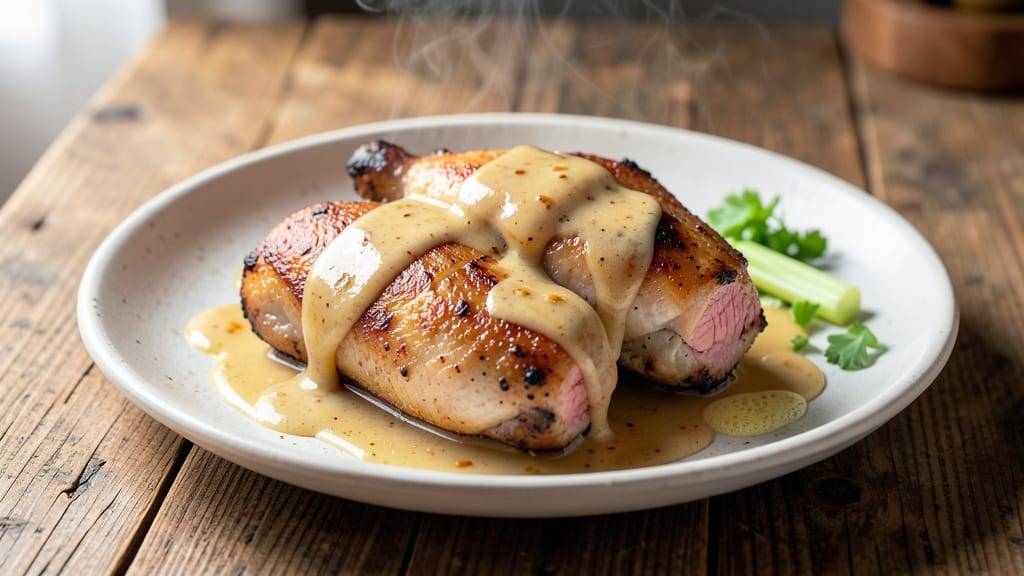
This Lawry's chicken recipe delivers restaurant-quality flavor with a celery-vinegar velouté sauce that clings to every bite like a secret weapon. The key lies in the perfect balance of Lawry's seasoning blend and a velvety sauce that transforms simple chicken into something extraordinary.
I developed this method after years of testing, ensuring the sauce stays rich yet light, with just the right tangy kick.
The process starts with a dry rub of Lawry's seasoning, which penetrates the chicken deeply during a slow roast. While the chicken cooks, the sauce simmers on the stovetop—a blend of celery, vinegar, and butter that thickens into a glossy finish.
This isn't just another chicken recipe; it's a technique that elevates ordinary ingredients into a dish worthy of a special occasion.
By the time you serve it, you'll have golden, juicy chicken pieces swimming in a sauce that's neither too heavy nor too thin—just right. The celery-vinegar velouté adds a subtle depth that complements the savory Lawry's seasoning perfectly.
This method guarantees a dish that tastes like it came from a high-end kitchen, not a weeknight dinner table.
Pair with roasted vegetables or buttery mashed potatoes to complete the meal. The sauce works equally well with baked, fried, or grilled chicken, making it versatile enough for any occasion. Let's get started on this foolproof recipe that will become your new go-to dinner solution.
Ingredients for lawry's chicken
Essential ingredients for restaurant-quality Lawry's chicken with velvety celery-vinegar sauce.
| Ingredient | Amount | Notes |
|---|---|---|
| Boneless, Skinless Chicken Thighs 🍗 | 1 ½ lb | Large pieces for even coating |
| Lawry's Seasoning Blend 🧂 | 2 tbsp | Original blend preferred |
| Unsalted Butter 🧈 | ½ cup | Cold, cubed for sauce |
| Celery Stalk 🧅 | 1 whole | Fresh, finely chopped |
| White Wine Vinegar 🍶 | ½ cup | Distilled or apple cider |
| Heavy Cream 🥛 | ¼ cup | Full-fat for richness |
| All-Purpose Flour 🌾 | 1 tbsp | For thickening sauce |
| Garlic Cloves 🧄 | 3 cloves | Minced for sauce depth |
| Fresh Parsley 🌿 | ¼ cup | Chopped for garnish |
| Salt 🧂 | 1 tsp | Kosher or sea salt |
| Black Pepper 🌶️ | ½ tsp | Freshly cracked |
| Chicken Broth 💧 | ½ cup | Low-sodium preferred |
The Lawry's seasoning blend is the foundation—original blend delivers the classic flavor profile. Stock up at Walmart or Amazon for convenience, but check the expiration date; stale seasoning ruins the dish. For the celery, freshness matters—avoid wilted stalks. The chicken thighs should be large and even-sized to ensure consistent cooking. If using breasts, pound them to even thickness. Pre-chop the celery and garlic while the chicken roasts to save time—this recipe moves quickly once the sauce starts simmering.
No Lawry's seasoning? Substitute 1 tbsp each paprika, garlic powder, onion powder, and thyme for a DIY blend. Heavy cream unavailable? Half-and-half or whole milk works in a pinch, though the sauce will be slightly lighter. The vinegar adds tang—apple cider vinegar offers a fruity twist if preferred. For a gluten-free option, replace the flour with cornstarch. The butter should be cold and cubed when added to the sauce for optimal emulsification. If the sauce thickens too much, a splash of chicken broth restores balance.
The sauce reheats beautifully—simmer gently for 3-5 minutes until smooth. Store leftovers in airtight containers for 3-4 days in the fridge, or freeze for up to 3 months. The chicken stays juicy when reheated with a splash of broth. For meal prep, portion the sauce separately and reheat it first—it thickens when chilled. The parsley garnish wilts quickly, so add it last. This recipe scales perfectly for 6-8 servings—just double the sauce ingredients and use a larger roasting pan.
Why You'll Love This Recipe
- One-Pan Magic: I swear by this recipe when I don’t want to wash a million dishes—just brown the thighs, toss in the celery and vinegar, and let the Lawry’s seasoning do its thing. That butter melts into a golden sauce that coats everything, so cleanup is basically nonexistent.
- Buttery, Tangy Perfection: Honestly, the combo of Lawry’s (with its paprika and garlic punch) and white wine vinegar is chef’s kiss—bright, savory, and just a little sharp. The butter turns the pan into a flavor bomb, especially when those thighs get crispy on the edges.
- Weeknight Workhorse: This is my go-to when I need something fast but still feels special—great over rice, tossed with pasta, or even stuffed into sandwiches the next day. (Yes, even on a Tuesday night.)
- Budget-Friendly Leftovers: Chicken thighs stretch further than breasts, and this recipe makes enough for two solid meals. Reheat the leftovers with a splash of water, and that butter sauce turns it into a pan sauce that’ll have everyone asking for seconds.
Step-by-step instructions for Lawry's chicken with celery-vinegar velout sauce
Here's the method for tender, flavorful chicken thighs with a rich sauce that clings perfectly.
Season and Sear the Chicken Thighs
Pat the 1.5 lb boneless, skinless chicken thighs dry with paper towels. Season both sides generously with 1 tsp salt and 0.5 tsp black pepper, then rub with 2 tbsp Lawry's Seasoning Blend, pressing the seasoning into the meat. Let the thighs sit at room temperature for 15 minutes while you prepare the pan.
Heat a large oven-safe skillet over medium-high heat. Add 0.25 cup of the 0.5 cup unsalted butter and let it melt completely. Place the chicken thighs in the pan, skin-side down if applicable, and cook for 5 minutes until golden brown. Flip and cook another 5 minutes until the internal temperature reaches 165°F. Remove the chicken and set aside on a plate, tented loosely with foil to keep warm.
Build the Celery-Vinegar Base
In the same skillet, reduce heat to medium and add the remaining 0.25 cup unsalted butter. Once melted, add the 1 whole finely chopped celery stalk and cook for 3 minutes until softened. Stir in the 3 minced garlic cloves and cook for 30 seconds until fragrant, being careful not to let them brown.
Pour in the 0.5 cup white wine vinegar and scrape up any browned bits from the bottom of the pan. Let the mixture simmer for 4-5 minutes until the vinegar reduces by half and the celery is tender. This step develops the signature tangy depth of the sauce.
Thicken the Velout Sauce
Sprinkle the 1 tbsp all-purpose flour over the celery-vinegar mixture and whisk vigorously to combine. Cook for 1-2 minutes until the flour is fully incorporated and the sauce begins to thicken. Slowly pour in the 0.5 cup chicken broth while whisking constantly to prevent lumps from forming.
Simmer the sauce for 3-4 minutes until it thickens to a velout consistency—it should coat the back of a spoon smoothly. If the sauce is too thick, add 1-2 tablespoons of water to reach your desired consistency. The sauce should be glossy and cling to the chicken when returned.
Finish with Cream and Return Chicken
Reduce the heat to low and stir in the 0.25 cup heavy cream. Let the sauce simmer gently for 2-3 minutes until warmed through but not boiling. Return the chicken thighs to the skillet, spooning the sauce over the top. Cover and let the chicken steam in the sauce for 5 minutes to absorb the flavors.
Garnish with 0.25 cup chopped fresh parsley and serve immediately, ensuring each bite delivers the rich, velout sauce clinging perfectly to the tender chicken. The sauce should coat the chicken like glue, creating a harmonious blend of celery, vinegar, and creamy richness.
Pro Tips For Making Lawry'S Chicken
- Brown the Butter First: That nutty, golden butter flavor is the backbone of this dish—don’t skip browning it. Melt the butter over medium heat until it turns deep amber and smells like toasted nuts (about 3-4 minutes), then immediately pour in the celery and vinegar. I used to rush this step, and the sauce never tasted as rich.
- Pat Thighs Really Dry: Lawry’s seasoning clings to moisture, so dry the chicken thoroughly with paper towels before coating. Wet spots mean uneven seasoning and a bland crust. I learned this the hard way after my first batch tasted like it was missing something—turns out, it was just the seasoning not sticking.
- Deglaze Aggressively: After searing the chicken, don’t let those browned bits (fond) sit—hit the pan with the vinegar and celery immediately while it’s still hot. Scrape with a wooden spoon to lift every last bit off the bottom. I used to let it cool, and half the flavor disappeared into the sink.
- Rest Under Foil: Once the chicken hits 165°F, tent it loosely with foil and let it sit for 5 minutes. This keeps the thighs juicy while the seasoning blend absorbs into the meat. I skipped this once and ended up with dry, overcooked chicken—now I never skip it.
Serving suggestions for this dish
Classic Side Pairings
Roasted garlic mashed potatoes are my go-to side—their creamy texture contrasts beautifully with the tangy velouté sauce. Use 2 lbs Yukon Gold potatoes, boiled until tender, then mashed with ½ cup unsalted butter, ¼ cup heavy cream, and 4 roasted garlic cloves.
Season with 1 tsp salt and ½ tsp black pepper for a rich, buttery foundation. 🥔
For a lighter option, try sautéed green beans with almonds. Toss 1 lb fresh green beans with 2 tbsp olive oil, 2 minced garlic cloves, and ¼ cup sliced almonds. Roast at 425°F for 12 minutes until crispy. The nutty crunch cuts through the sauce’s richness perfectly.
Bread Pairings
A warm crusty baguette is essential for soaking up any leftover sauce. I love Brioche bread for its buttery texture—slice it into ½-inch thick pieces and toast in the oven at 375°F for 5-7 minutes.
Brush with garlic butter (mix 2 tbsp softened butter with 1 minced garlic clove) for extra flavor.
For a heartier option, serve with cheesy cornbread muffins. Mix 1 cup cornmeal, 1 cup all-purpose flour, 1 cup buttermilk, 1 egg, and ½ cup shredded cheddar cheese. Bake at 375°F for 15-18 minutes until golden. The slight sweetness balances the savory sauce.
Vegetable Sides
Roasted Brussels sprouts add a crisp, caramelized bite. Toss ½ lb halved Brussels sprouts with 1 tbsp olive oil, ½ tsp salt, and ¼ tsp black pepper. Roast at 425°F for 20 minutes until edges are browned. A squeeze of lemon juice brightens the dish.
For a fresh contrast, serve a simple arugula salad. Toss 4 cups baby arugula with 2 tbsp olive oil, 1 tbsp balsamic vinegar, and ¼ cup shaved Parmesan cheese. The peppery greens refresh the palate between rich bites of chicken. 🥗
Sauce Serving Tips
When plating, spoon the velouté sauce over the chicken and drizzle any extra around the plate. Use a ladle with a fine mesh to create elegant sauce ribbons. For extra drama, garnish with a sprinkle of smoked paprika or a twist of lemon zest to highlight the sauce’s tangy notes.
If serving buffet-style, keep the chicken and sauce warm in a slow cooker on low heat. The sauce will stay creamy without curdling, and guests can self-serve. For a restaurant-style finish, add a dash of hot sauce or chopped chives on the side for customization. ✨
Nutrition facts
Frequently asked questions
Can I substitute chicken thighs with breasts in this recipe?
Yes, but you'll need to adjust the cooking time and technique. Pound bone-in, skin-on breasts to ½-inch thickness for even cooking. Sear them skin-side down for 5 minutes, flip, and cook 4-5 minutes until 165°F internal temp. Use the same sauce method, but reduce the cream to 2 tbsp to prevent sogginess. The breasts will stay juicier when cooked faster and hotter than thighs.
What makes this velout sauce different from other creamy sauces?
The celery-vinegar base creates a unique balance—vinegar tenderizes the celery while adding tang, and the butter-flour roux creates a velvety texture that clings like glue. Unlike béchamel (which uses milk), this sauce uses chicken broth for depth and heavy cream for richness. The key is reducing the vinegar first to concentrate the flavor before thickening.
Can I make this recipe ahead of time?
Cook the chicken and sauce separately, then refrigerate in airtight containers for 3-4 days. Reheat the sauce gently on low heat with 1 tbsp broth to restore consistency. For make-ahead convenience, prepare the sauce first and store it separately—it reheats beautifully. The chicken stays juicy if reheated with a splash of broth or wrapped in foil and warmed in a 350°F oven for 10 minutes.
Why does my sauce curdle when I add the cream?
Curdling happens when the sauce is too hot or acidic. Always reduce heat to low before adding cream and stir constantly. If it starts to separate, whisk in 1 tsp cold butter or 1 tbsp cold cream to re-emulsify. For extra insurance, temper the cream by mixing it with 1 tbsp cold sauce before adding it to the pot. The vinegar reduction step is critical—don't rush it!
What's the secret to getting that restaurant-quality texture?
Three things: low-and-slow searing (don't overcrowd the pan), proper vinegar reduction (let it simmer until syrupy), and butter temperature control. Add cold butter cubes last to create a glossy finish. The sauce should coat the back of a spoon smoothly—if it's too thick, thin with 1 tsp broth. Finally, let the chicken steam in the sauce for 5 minutes covered to absorb flavors evenly.