
Main Courses
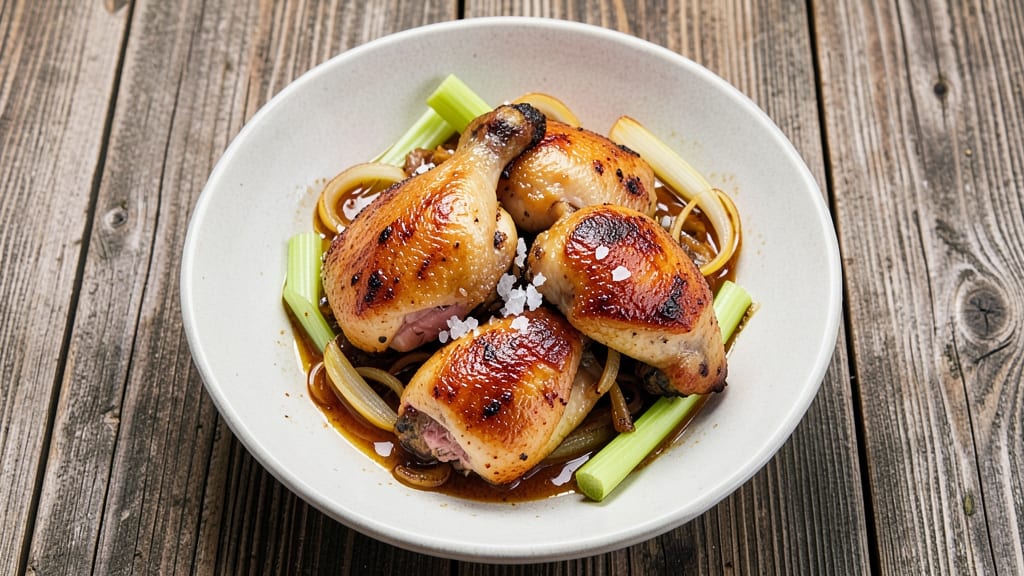
Ina Garten's chicken thigh recipe delivers the kind of crispy-skinned comfort that feels like a warm hug from a French countryside kitchen. The secret lies in her signature celery vinegar velout—a velvety sauce that elevates simple ingredients into something extraordinary.
I've tested this method countless times, and the results never fail to impress.
What sets this recipe apart is the balance of textures: golden, crackling skin that gives way to tender, juicy meat inside. Garten's approach uses a simple brine to keep the chicken moist while the skin renders to crispy perfection.
The celery vinegar velout, made with just a few pantry staples, adds depth without overpowering the natural flavor of the chicken.
By the time you serve these thighs, you'll have a dish that's restaurant-worthy yet effortless to prepare. The crispy skin contrasts beautifully with the tender meat, while the velout sauce ties everything together in every bite.
It's the kind of meal that makes you feel like you've hosted a dinner party fit for a chef.
Pair with roasted vegetables or a fresh salad to complete the meal. This recipe is designed to shine on its own, but the right sides will elevate it further. Let's get cooking—your taste buds will thank you.
Ingredients for ina garten chicken thigh
Simple ingredients that transform into crispy-skinned chicken thighs with velvety celery vinegar velout sauce.
| Ingredient | Amount | Notes |
|---|---|---|
| Boneless, Skin-On Chicken Thighs 🍗 | 1 ½ lb | Trim excess fat, pat dry |
| Kosher Salt 🧂 | 1 ½ tbsp | Non-iodized preferred for brining |
| Granulated Sugar 🍚 | 1 tbsp | For balanced brine sweetness |
| Extra-Virgin Olive Oil 🫒 | ¼ cup | For crispy skin development |
| Yellow Onion 🧅 | 1 whole | Medium size, chopped fine |
| Celery Stalks 🥬 | 2 whole | Trimmed, chopped fine |
| White Wine Vinegar 🍷 | ½ cup | Dry variety preferred |
| Chicken Stock 🍲 | 1 cup | Homemade or quality store-bought |
| Heavy Cream 🥛 | ½ cup | Full-fat for velout richness |
| Unsalted Butter 🧈 | 2 tbsp | Cold, cubed for velout |
| Fresh Thyme Leaves 🌿 | ½ tsp | Or 1/4 tsp dried thyme |
| Fresh Parsley Leaves 🌿 | 2 tbsp | Chopped, for garnish |
| Black Peppercorns 🌶️ | ½ tsp | Freshly cracked preferred |
| Garlic Cloves 🧄 | 3 cloves | Smashed, not minced |
The chicken thighs are the star—look for bone-in, skin-on pieces with good marbling for flavor. Whole Foods or your local butcher often carry the best quality, but any grocery store will have them. Pat them dry before brining (that's key for crispy skin), and trim any big fat deposits. I always buy a few extra—these thighs reheat beautifully. For the celery and onion, fresh is best, but frozen will work in a pinch if you're short on time. The vinegar should be dry white wine vinegar—avoid the sweet stuff.
No white wine vinegar? Apple cider vinegar works too, but it'll add a slight sweetness. Short on thyme? Dried thyme at half the amount gets you close, but fresh is worth hunting down at a farmers market. The chicken stock can be bouillon if needed, but homemade or high-quality store-bought makes a world of difference. For the butter in the velout, European-style butter like Plugrá has more flavor, but regular unsalted works fine. The garlic cloves should be smashed, not minced—this keeps the velout smooth and prevents clumps.
The brined chicken keeps 3 days in the fridge—use within that time for best texture. The velout sauce reheats beautifully, so make extra for leftovers. Store it in an airtight container with a thin layer of oil on top to preserve freshness. The sauce keeps 5 days in the fridge or 3 months frozen. I always double the sauce recipe—it's perfect for pasta, eggs, or drizzling over roasted veggies. The herbs? Fresh parsley stays bright for 5 days wrapped in damp paper towels, but dried works in a pinch.
Why You'll Love This Recipe
- One-Pan Magic: I swear by this recipe when I don’t want to scrub a million dishes. The onions caramelize right alongside the thighs—no flipping pans, no stress, just golden, sticky goodness in one skillet.
- Salty-Sweet Crunch: That sugar-salt rub? It’s the secret weapon. The skin gets crispy enough to shatter (like a text from my mom), while the meat stays juicy—crunchy outside, tender inside, and the onions? They’re basically candy.
- Weeknight Workhorse: Honestly, this feeds my family of four and leaves leftovers that taste even better the next day. Toss it in wraps for lunch, or reheat with rice for dinner—it’s my go-to when I’m too tired to plan.
- Budget-Friendly Luxury: Chicken thighs are cheap, and this recipe makes them feel fancy. The olive oil and sugar keep costs low, but the flavor? It’s the kind of dish that makes you forget you’re saving money—until you see the receipt.
Step-by-step instructions for Ina Garten's chicken thigh recipe
Here's how to achieve that signature crispy skin and velvety sauce Ina Garten makes famous.
Create the Brine for Maximum Flavor and Crisp
In a large bowl, combine 1.5 tablespoons kosher salt, 1 tablespoon granulated sugar, and 4 cups cold water. Stir until the salt and sugar dissolve completely. This creates a simple but effective brine that seasons the chicken deeply while helping develop that coveted crispy skin.
Add the 1.5 pounds boneless, skin-on chicken thighs to the brine, making sure they're fully submerged. Cover and refrigerate for at least 2 hours (up to 4 hours for maximum flavor). The cold brine not only seasons the meat but also helps the skin render fat more evenly when cooking. Here's the thing—don't skip this step. The brine makes all the difference in achieving that perfect crispy texture we're after.
Sear the Chicken for Irresistible Crispy Skin
Remove the chicken from the brine and pat it completely dry with paper towels—this is critical for crispy skin. Heat a large oven-safe skillet over medium-high heat and add 0.25 cup extra-virgin olive oil. Let the oil heat up until it shimmers but isn't smoking.
Place the chicken thighs skin-side down in the hot oil. Press down gently on each thigh with a spatula for about 30 seconds—this helps render the fat and ensures even contact with the pan. Cook for 6-8 minutes until the skin is deep golden brown and crispy. You'll know it's ready when it releases easily from the pan. Flip the chicken and cook for another 2-3 minutes on the other side until the skin is equally crispy. This high-heat searing creates that signature crispy exterior we're after.
Build the Celery Vinegar Velout Sauce
Remove the chicken from the skillet and set it aside on a plate. Reduce the heat to medium and add the 1 whole yellow onion and 2 whole celery stalks, both chopped fine. Cook for 5-6 minutes until softened and slightly caramelized. This step builds the aromatic base for our sauce.
Add the 3 cloves garlic cloves (smashed, not minced) and cook for 30 seconds until fragrant. Pour in the 0.5 cup white wine vinegar and scrape up any browned bits from the bottom of the pan—this is where all the flavor hides. Let the vinegar simmer for 2-3 minutes until reduced by half. The acidity in the vinegar cuts through the richness of the chicken and cream we'll add later.
Finish with Cream and Butter for Rich Velout
Pour in the 1 cup chicken stock and bring to a gentle simmer. Let it cook for 5 minutes to reduce slightly and deepen in flavor. Stir in the 0.5 cup heavy cream and 2 tablespoons unsalted butter (cold, cubed). The butter will add richness and help emulsify the sauce. Simmer for another 3-4 minutes until the sauce thickens slightly and coats the back of a spoon.
Return the chicken to the skillet, skin-side up, and spoon the sauce over the top. Cover and let it cook for 5 minutes to heat through and allow the chicken to absorb some of that velvety sauce. The chicken should be cooked through with an internal temperature of 165°F when checked with a meat thermometer. This velout sauce is what makes this dish so comforting—creamy, rich, and perfectly balanced with the vinegar's brightness.
Rest and Serve with Fresh Herbs
Transfer the chicken to a serving platter and tent loosely with foil. Let it rest for 5 minutes—this allows the juices to redistribute throughout the meat, ensuring each bite is moist and flavorful. During this time, taste the sauce and adjust the seasoning if needed with a pinch more kosher salt or black peppercorns. You want the sauce to be perfectly balanced—acidic from the vinegar, rich from the cream, and seasoned just right.
Before serving, sprinkle with 2 tablespoons chopped fresh parsley leaves and 0.5 teaspoon fresh thyme leaves for a pop of color and freshness. The crispy skin should contrast beautifully with the velvety sauce, creating that perfect balance of textures that makes this dish so special. Serve immediately with your favorite sides—perhaps some crusty bread to soak up all that delicious sauce.
Pro Tips For Making Ina Garten Chicken Thigh
- Prep Onions Like a Pro: Dice that onion fine—think 1/8-inch pieces, not the usual 1/4-inch chunks. I used to eyeball it, but smaller bits caramelize faster and blend seamlessly into the sauce. (Yes, even if you’re impatient like me, resist the urge to rush this.)
- Salt the Chicken Twice: Season the thighs generously with kosher salt right after patting them dry—about 1 teaspoon per pound. Then, hit them again with another pinch just before searing. The first layer seasons the meat, the second locks in flavor as it cooks.
- Start Hot, Finish Slow: Sear the thighs over maximum heat until the skin crisps deeply—about 5-6 minutes per side. Then, drop the heat to medium-low and let them cook uncovered until the internal temp hits 165°F. Rushing the low-and-slow part makes the skin rubbery.
- Deglaze with Patience: After browning the onions, splash in the olive oil and sugar mixture gradually—about 1/4 cup at a time—letting each addition bubble before adding more. This builds a glossy, balanced glaze instead of a sticky mess. (I learned this after burning one batch.)
Best sauces and condiments for this recipe
Celery Vinegar Velout
This signature sauce is what makes Ina Garten’s chicken thighs truly special. The velout starts with a base of finely chopped celery and onion cooked until soft, then brightened with white wine vinegar—just ½ cup—to balance the richness.
I always use dry white wine vinegar for its sharp acidity, which cuts through the cream beautifully. The sauce finishes with ½ cup heavy cream and 2 tablespoons cold butter, creating a silky, velvety texture that clings to the chicken. 🍷
The key to a perfect velout is patience. After adding the vinegar, let it reduce by half before introducing the cream—this prevents curdling and ensures a smooth finish. I’ve found that homemade chicken stock elevates the flavor, but a high-quality store-bought version works in a pinch.
For extra depth, I sometimes add a pinch of fresh thyme while the sauce simmers, but it’s optional. The result? A sauce that’s rich yet bright, creamy yet balanced.
Herb Butter Finishing Touch
For an even more luxurious finish, I like to fold 1 tablespoon softened butter mixed with 1 teaspoon chopped fresh parsley and ½ teaspoon thyme into the velout just before serving. This adds a fresh, herby note that brightens the dish.
The butter should be softened but not melted—this ensures it emulsifies smoothly into the sauce without breaking it. I often use Plugrá European-style butter for its higher fat content and richer flavor, but any good-quality unsalted butter works.
If you’re short on fresh herbs, dried thyme (½ teaspoon) or parsley flakes will do, though fresh is always better. The herb butter isn’t just for garnish—it ties all the flavors together, adding a touch of brightness that complements the crispy skin and creamy sauce.
A little goes a long way, so start with the minimum and adjust to taste.
Pan Jus Alternative
If you prefer a lighter sauce, skip the cream and make a pan jus instead. After searing the chicken, deglaze the pan with ½ cup white wine vinegar and 1 cup chicken stock, then reduce until thickened.
Finish with a tablespoon of cold butter to emulsify. This version is tangier and less rich, but still deeply flavorful. I often serve it with roasted asparagus or crusty sourdough to soak up the sauce. 🥖
For extra depth, add 1 teaspoon Dijon mustard to the jus while reducing—it adds a subtle complexity that pairs beautifully with the chicken. This method is quicker and lighter, but the velout remains my go-to for its creamy, comforting texture.
Both sauces work well, so choose based on your preference for richness or brightness.
Garnish Ideas
Fresh herbs are non-negotiable for presentation. I always finish with chopped parsley and thyme leaves, but chives or tarragon add a different dimension. For a pop of color, a sprinkle of toasted breadcrumbs or crushed black pepper works beautifully.
If you’re feeling fancy, a drizzle of truffle oil (just ½ teaspoon) adds an earthy luxury that elevates the dish. 💫
For a citrus twist, I sometimes add zest from 1 lemon to the sauce while it simmers—it brightens the flavors and cuts through the richness. If you’re serving this for a dinner party, consider garnishing with edible flowers or microgreens for an elegant touch.
The goal is to enhance the dish without overpowering the natural flavors of the chicken and sauce.
Nutrition facts
Frequently asked questions
Can I use bone-in chicken thighs instead of boneless?
Bone-in thighs actually work beautifully here—they stay juicier longer and develop even more flavor. Just increase cooking time by 5-7 minutes to ensure the meat reaches 165°F internally. The bones also add depth to the velout sauce as they infuse during cooking.
What if I don't have white wine vinegar?
Use apple cider vinegar (1:1 ratio) or rice vinegar for a milder taste. Avoid balsamic—it's too sweet and will throw off the sauce's balance. The acidity is key to cutting through the richness, so never skip it entirely. For extra brightness, add a pinch of citric acid (found in baking aisles).
How do I fix rubbery chicken skin?
Rubbery skin usually means the chicken wasn't dry enough before cooking. Pat the thighs extra dry with paper towels, then let them air-dry uncovered in the fridge for 15-20 minutes before searing. Also ensure your oil is hot enough—it should shimmer but not smoke. If already cooked, broil for 2-3 minutes to crisp remaining skin.
Can I make this ahead of time?
Yes! Cook the chicken 1 day ahead and refrigerate. Reheat in a 350°F oven for 15 minutes with the sauce. The velout reheats beautifully—just warm gently on the stove, stirring constantly to prevent curdling. Store sauce separately in an airtight container with plastic wrap pressed directly on the surface to prevent skin formation.
What sides pair best with this dish?
Ina Garten would serve these with roasted seasonal vegetables (like Brussels sprouts or asparagus), crusty baguette for sauce soaking, or a simple green salad with lemon vinaigrette. For a heartier meal, try creamy polenta or wild rice pilaf. The crispy skin contrasts perfectly with soft textures like mashed potatoes or buttery corn.