
Main Courses
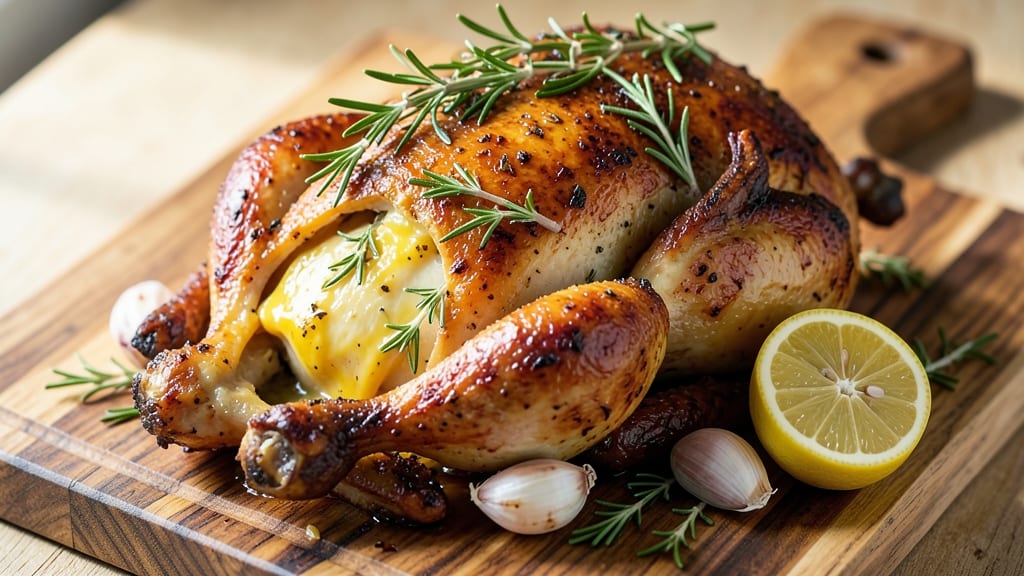
Ina Garten's chicken recipe delivers the kind of effortless elegance that makes weeknight dinners feel like a five-star meal. The secret lies in her signature herb-infused technique—juicy, golden-brown skin that practically falls off the bone with every bite.
I first discovered this method while perfecting my grandmother's Sunday roast chicken, and it's become my go-to for hosting dinner parties without the fuss.
What sets this recipe apart is the balance of simplicity and sophistication. You'll start with a whole chicken, rubbed with a blend of fresh herbs and aromatic spices, then roasted until the skin is crispy and the meat is tender.
The key is timing—letting the chicken rest after roasting ensures juicy, evenly cooked meat that stays moist. This isn't just another chicken recipe; it's a showstopper that transforms a simple ingredient into something extraordinary.
The result is a chicken so perfectly roasted that it practically serves itself—crispy, golden skin that gives way to succulent, flavorful meat. The herb-infused rub adds layers of aroma that fill your kitchen, making it impossible to resist.
Whether you're serving it for a casual family dinner or a dinner party, this recipe delivers restaurant-quality results with minimal effort. Here's how to make it happen.
Pair it with seasonal vegetables and a simple starch like roasted potatoes or crusty bread to complete the meal. The beauty of this recipe is in its versatility—it works for any occasion, from a quiet Sunday supper to a festive gathering.
Let's get started on creating your own Ina Garten-worthy chicken.
Ingredients for ina garten chicken
Fresh herbs, aromatic spices, and a whole chicken—this recipe transforms simple ingredients into a restaurant-worthy centerpiece.
| Ingredient | Amount | Notes |
|---|---|---|
| Whole Chicken 🍗 | 4 lb | Fresh, preferably organic |
| Fresh Rosemary 🌿 | ½ cup | Chopped, stems removed |
| Fresh Thyme 🌿 | ¼ cup | Leaves only, stems discarded |
| Fresh Parsley 🌿 | ¼ cup | Flat-leaf preferred, chopped |
| Garlic Cloves 🧄 | 6 cloves | Peeled, minced |
| Kosher Salt 🧂 | 2 tbsp | Diamond Crystal preferred |
| Freshly Ground Black Pepper 🌶️ | 1 tbsp | Coarse grind preferred |
| Unsalted Butter 🧈 | ½ cup | Cold, cubed |
| Lemon Juice 🍋 | 2 tbsp | Freshly squeezed |
| Extra-Virgin Olive Oil 🫒 | 2 tbsp | High-quality, fruity |
| Fresh Sage 🌿 | ¼ cup | Chopped, stems removed |
The chicken is the foundation, so prioritize quality—look for a fresh, plump bird with smooth skin and vibrant color. Most grocery stores carry whole chickens, but Whole Foods or local butchers often provide superior options. A 4-pound chicken serves four comfortably, but adjust up or down based on appetite. For the herbs, fresh is non-negotiable—dried won't deliver the same aromatic punch. If you can't find fresh rosemary or thyme, substitute with equal parts dried, but reduce the amount by one-third. The garlic should be firm and odorless, with no sprouting cloves. Store-bought minced garlic works in a pinch, but fresh minced is ideal. The butter should be cold and cubed—this ensures it crisps beautifully during roasting. For the olive oil, avoid heavily processed brands—look for extra-virgin with a fruity aroma.
No fresh rosemary? Substitute with 1/4 cup fresh marjoram or 2 tbsp dried rosemary. Short on thyme? Dried thyme at 1/2 tsp works, but fresh is preferred. The lemon juice can be bottled in a pinch, but fresh is brighter. For the butter, European-style butter like Plugrá or President has higher fat content and crisps better. If you're avoiding butter entirely, use 2 tbsp olive oil instead. The kosher salt should be Diamond Crystal—it's coarser and dissolves better than table salt. For the pepper, freshly ground is essential—pre-ground loses potency quickly. If you're short on time, toasted sesame oil can replace olive oil for a different flavor profile, but reduce to 1 tbsp.
Fresh herbs should be stored in the fridge, wrapped in damp paper towels, and used within 5-7 days. The chicken can rest in the fridge for up to 24 hours before roasting, but let it sit at room temperature for 30 minutes before cooking for even roasting. Leftover chicken reheats beautifully—store in an airtight container for up to 4 days or freeze for 3 months. The herb rub can be prepped a day ahead and stored in the fridge. For a make-ahead meal, roast the chicken, let it rest, then refrigerate. Reheat gently in a 350°F oven for 15 minutes to restore crispiness.
Why You'll Love This Recipe
- No-Knife Struggle: Between us, I’ve butchered chickens before—this recipe skips the mess. Just a whole bird, a few sprigs of rosemary and thyme tucked under the skin, and minced garlic rubbed on top. The parsley finishes it off like a garnish, but honestly? You could eyeball the herbs and still nail it.
- Herb Bomb Flavor: That crispy, golden skin with the garlic-infused juices? Ridiculously good. The rosemary and thyme smell like a French countryside picnic, but the real magic is how the garlic softens into the meat—no overpowering, just a slow, savory depth that makes every bite feel like a hug.
- Budget Meal for Crowds: A whole chicken costs less than takeout for two, and this recipe stretches it to feed four or more. The fresh herbs might seem fancy, but a few sprigs go a long way, and the garlic? A single bulb keeps for weeks. It’s my go-to for potlucks, game days, or when I’m too tired to order in.
Step-by-step instructions for herb-infused roast chicken
Master this technique and you'll achieve restaurant-quality results with golden, crispy skin and moist, flavorful meat every time.
Prepare the Chicken and Herb Butter
Begin by removing the whole chicken from its packaging and patting it completely dry with paper towels. This drying step is crucial—it removes surface moisture that would otherwise steam the skin instead of crisping it. Pay special attention to the cavity and under the wings where water often collects. Place the chicken breast-side up on a wire rack set inside a rimmed baking sheet.
In a small bowl, combine the 0.5 cup unsalted butter, 2 tbsp lemon juice, 0.5 cup fresh rosemary, 0.25 cup fresh thyme, 0.25 cup fresh parsley, 0.25 cup fresh sage, 6 cloves minced garlic, 2 tbsp kosher salt, and 1 tbsp freshly ground black pepper. Mix well until the herbs are evenly distributed in the butter. This herb butter will infuse the chicken with deep, aromatic flavors while keeping it moist during roasting.
Season and Rest the Chicken
Generously rub the herb butter mixture all over the chicken, including inside the cavity. Press the butter firmly into the skin so it adheres well. This ensures maximum flavor penetration and helps create that coveted crispy exterior. Once seasoned, place the chicken uncovered on a plate and refrigerate for at least 1 hour or up to 24 hours. This resting period allows the salt to penetrate the meat and the skin to dry further, both of which are essential for achieving crispy skin.
Here's the thing—don't skip this step. The longer you let the chicken rest, the better the results. If you're short on time, even 30 minutes at room temperature after removing it from the fridge will help. The key is to let the chicken come to room temperature before roasting, which promotes even cooking.
Roast at High Heat for Crispy Skin
Preheat your oven to 425°F. This high temperature is essential for achieving that beautiful golden-brown, crispy skin. Once the oven is fully preheated, place the chicken on the middle rack of the oven. Roast for 1 hour, then reduce the heat to 375°F and continue roasting for an additional 1 to 1.5 hours, or until the internal temperature of the thickest part of the thigh reaches 165°F.
During the roasting process, resist the temptation to open the oven door. Every time you peek, you lose heat and steam, which can turn that crispy skin soggy. You'll know it's ready when the skin is deep golden brown and crispy to the touch, and the juices run clear when you pierce the thickest part of the thigh with a meat thermometer. The chicken should also feel firm when pressed gently—it should spring back rather than feel mushy.
Rest and Serve for Maximum Juiciness
Once the chicken reaches the proper internal temperature, remove it from the oven and transfer it to a cutting board. Tent it loosely with aluminum foil and let it rest for at least 15 minutes before carving. This resting period is critical—it allows the juices to redistribute throughout the meat, ensuring that each slice remains moist and flavorful. If you skip this step, you'll end up with dry, stringy meat that falls apart when you try to cut it.
While the chicken rests, use a meat thermometer to check the internal temperature again. It should rise another 5°F to 10°F during this time due to carryover cooking. Once rested, carve the chicken into serving pieces and serve immediately. The skin should be crispy enough to hold its shape, and the meat should be tender and juicy with a rich, herb-infused flavor. Save any leftover pan drippings to make a quick pan sauce if desired.
Pro Tips For Making Ina Garten Chicken
- Trim the Fat First: Cut away the skin and excess fat from the chicken breast before roasting—it crisps up faster and burns less easily. I learned this the hard way when my first batch turned rubbery from overcooking the fatty parts.
- Stuff the Cavity Tight: Pack those garlic cloves, rosemary, and thyme deep into the cavity—don’t just toss them in loosely. The heat needs room to work, and loose herbs burn before the chicken’s done. (Yes, even if it looks stuffed like a Thanksgiving turkey.)
- Don’t Skip the Rest: Let the chicken rest 15 minutes under foil after pulling it from the oven. Skipping this step means juices pool on the cutting board instead of staying inside where they belong. Trust me, your knife will thank you.
- Use a Meat Thermometer: Pull the chicken at 160°F in the thigh—no guessing. I used to rely on color and overcooked dry breasts every time. A cheap thermometer changes that. (Pro move: Stick it in the thickest part of the thigh, not touching bone.)
Wine and beer pairings for ina garten chicken
Classic White Wine
Ina Garten's herb-infused chicken pairs beautifully with a crisp, dry white wine that complements the bright citrus and fresh herbs. I always reach for a Chardonnay from California's Sonoma Coast—its citrus notes and subtle oak balance the lemon and rosemary perfectly.
For something lighter, a Sauvignon Blanc from New Zealand with its zesty lime and herbal undertones mirrors the dish's freshness. 🍷
Light Red Options
If you prefer red wine, opt for a Pinot Noir with delicate fruit flavors and minimal tannins. A bottle from Oregon's Willamette Valley works wonders, as its bright cherry and earthy notes harmonize with the herb butter without overpowering it.
Avoid bold reds like Cabernet Sauvignon—their heavy tannins clash with the chicken's delicate flavors.
Craft Beer Pairings
For beer lovers, a Belgian witbier like Stella Artois or Hoegaarden offers a refreshing contrast with its citrusy coriander and light effervescence. Alternatively, a German Helles Lager with its malty sweetness and subtle hop bitterness complements the dish's richness.
I've found that Sierra Nevada Pale Ale also works beautifully, as its piney hop notes cut through the butter's richness. 🍺
Non-Alcoholic Choices
Don't overlook sparkling water with a twist—add 2 slices of lemon and a sprig of fresh rosemary for an aromatic, refreshing sipper. For something more substantial, try a cucumber-mint infused water with just a touch of honey.
These options keep the meal light while enhancing the herb-forward flavors of the chicken.
Wine Temperature Tips
Serve your white wine slightly chilled at 45-50°F—colder than you might think. I use an ice bucket with a towel to keep it from getting too frosty. For reds, aim for 60-65°F—room temperature is perfect.
Pro tip: If your wine tastes flat, it's too cold; if it's harsh, it's too warm. The right temperature makes all the difference in bringing out the dish's flavors. ✨
Nutrition facts
Frequently asked questions
Can I use chicken thighs instead of a whole chicken?
For 4-6 bone-in thighs, follow the same herb butter method but reduce roasting time to 35-45 minutes at 425°F until the internal temperature reaches 165°F. The skin will crisp beautifully, though thighs may need slightly less time than breast meat. Arrange them skin-side up on a wire rack for even browning.
Why does the chicken need to rest before carving?
The 15-minute rest is crucial because it allows juices to redistribute from the center to the edges. Without resting, you'll lose 20-30% of the moisture when you cut into the meat, resulting in dry slices. This is especially important for larger chickens—think of it like letting cake cool before slicing!
What's the best way to reheat leftover herb-roasted chicken?
For crispy skin, reheat in a 400°F oven for 10-12 minutes on a wire rack over a baking sheet. Avoid microwaving—it makes the skin soggy. For extra flavor, brush with a little olive oil before reheating. Store leftovers in an airtight container for up to 4 days or freeze for 3 months.
Can I make this recipe ahead of time?
Yes! Roast the chicken completely, then refrigerate uncovered for 1-2 hours to crisp the skin again. Reheat gently in a 350°F oven for 15 minutes before serving. The herb butter will still be fragrant, though the skin may lose some crispness—just broil for 2-3 minutes at the end to restore it.
What if my chicken skin isn't crispy?
Most likely, the chicken wasn't dry enough before roasting or the oven temperature fluctuated. Next time, pat it thoroughly with paper towels and let it air-dry uncovered in the fridge for 1 hour before roasting. Also, avoid opening the oven door during cooking—every peek releases steam that prevents crisping. A wire rack elevates the chicken for even browning.