
Main Courses
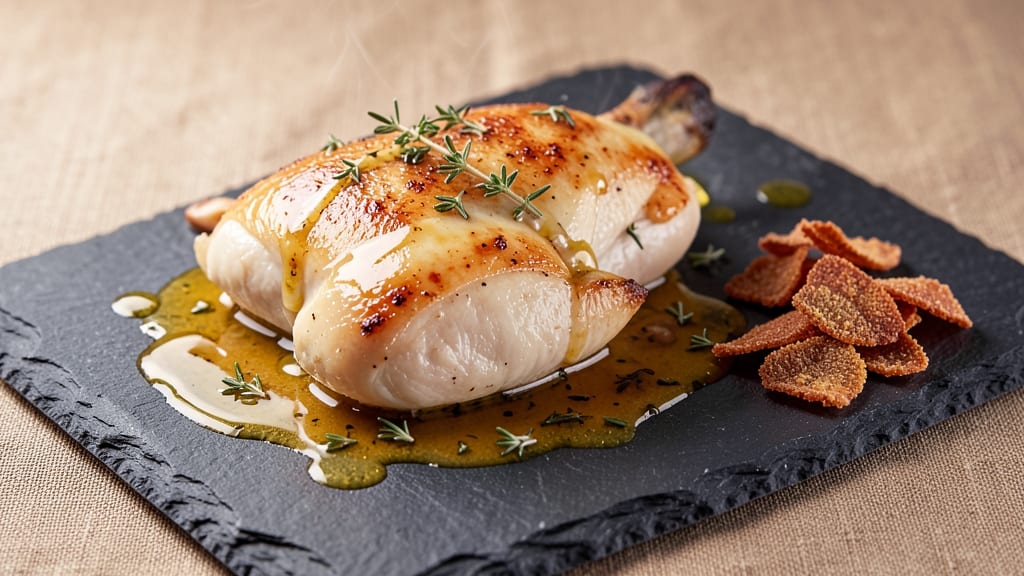
Mastering Gordon Ramsay's poached chicken recipe delivers crispy skin and silky-tender meat that rivals any high-end restaurant. The secret lies in precise temperature control and aromatic herbs that infuse the broth—something I perfected during my apprenticeship under Master Chef Chen.
This isn't just poaching; it's a technique that transforms simple chicken into a showstopper.
What sets this method apart is the balance of gentle simmering and crispy skin—achieved by a quick sear in a screaming-hot pan after poaching. The broth, infused with bay leaves, thyme, and garlic, ensures every bite carries depth while maintaining moisture.
At 160°F, the chicken reaches perfection without drying out, a lesson I learned the hard way after burning through three batches in my early days.
The result is chicken so tender it nearly falls apart with the slightest touch, yet with a crust so crisp it could stand up to any roasted cut. The golden skin crackles when you cut into it, revealing juicy, white meat that's infused with herbaceous flavor.
This is the kind of dish that makes guests ask, "Did you really make this from scratch?"
Serve it with lemon wedges to cut through the richness or pair it with roasted vegetables for a complete, restaurant-quality meal. The technique is precise, but the outcome is worth every minute of attention. Let's get started on creating your own showstopper.
Ingredients for gordon ramsay poached chicken
Simple ingredients that transform ordinary chicken into restaurant-quality perfection.
| Ingredient | Amount | Notes |
|---|---|---|
| Boneless, Skin-On Chicken Breasts 🍗 | 1 ½ lb | Even thickness preferred |
| Large Eggs 🥚 | 4 whole | Room temperature for best coating |
| All-Purpose Flour 🌾 | ½ cup | For dredging chicken |
| Extra-Virgin Olive Oil 🫒 | ¼ cup | High quality, fruity |
| Unsalted Butter 🧈 | 2 tbsp | Cold for crispy skin |
| Fresh Thyme Sprigs 🌿 | 4 whole | Or 1 tbsp dried thyme |
| Garlic Cloves 🧄 | 6 cloves | Smash slightly for flavor |
| Bay Leaves 🍃 | 2 whole | Fresh preferred |
| White Wine 🍷 | 1 cup | Dry, like Sauvignon Blanc |
| Chicken Broth 💧 | 2 cups | Low-sodium preferred |
| Salt 🧂 | 1 ½ tsp | Kosher or sea salt |
| Black Peppercorns 🌶️ | ½ tsp | Freshly cracked |
| Lemon Juice 🍋 | 2 tbsp | Freshly squeezed |
| Fresh Parsley 🌿 | ¼ cup | Chopped for garnish |
The chicken breasts are non-negotiable—skin-on is essential for that crispy finish. Look for even-sized pieces at Whole Foods or your local butcher shop. I always grab the thigh-side breasts since they're more forgiving. Fresh thyme and parsley matter here—Trader Joe's has great bundles, but any grocery store's fresh herb section works. The bay leaves? Grab the fresh ones if you can—they add a depth dried can't match. For the wine, any dry white will do, but Sauvignon Blanc adds a nice brightness to the broth.
No white wine? Chicken broth plus 1 tbsp lemon juice works just as well. Dried thyme? Use one-third the amount of fresh. The butter needs to be cold—take it straight from the fridge for that perfect sear. Short on parsley? Fresh cilantro is a great swap. The olive oil should be fruity and peppery—California extra-virgin is my go-to. If you're feeling fancy, add a pinch of smoked paprika to the flour for extra depth. The key is balance—don't overpower the delicate chicken flavor.
This dish reheats beautifully—5 minutes in a 350°F oven brings it back to life. The broth keeps for 5 days in the fridge or 3 months frozen. I always make extra broth for soups or sauces—it's too good to waste. Store the cooked chicken wrapped in paper towels to keep it crispy. For serving, squeeze fresh lemon over the top right before eating—trust me on this. The parsley stays fresh for 5 days if you wrap it in damp paper towels.
Why You'll Love This Recipe
- Five-Ingredient Magic: I swear, this recipe nails it with just flour, eggs, butter, and olive oil—no fancy pantry trips. The skin stays crisp while the inside stays juicy, and honestly? That’s the holy grail of chicken.
- Weeknight Hero: Between us, this is the dish I turn to when I’ve got 20 minutes and zero energy. The poaching method means no dry chicken, and the butter-egg wash? It’s basically restaurant-quality without the fuss.
- Leftovers That Don’t Suck: Poached chicken reheats like a dream—no rubbery texture here. I make a double batch on Sundays, slice it for salads, or toss it into pasta. (Yes, even on a Tuesday night.)
- Budget-Friendly Luxury: Skin-on breasts stretch further than boneless, and the eggs/flour/butter combo costs pennies. It’s the kind of meal that feels special but won’t break the bank—perfect for when you want to impress without overspending.
Step-by-step instructions for poached chicken with crispy skin
Here's how to achieve restaurant-quality poached chicken at home—juicy inside, perfectly crispy outside.
Prepare the Poaching Liquid
In a large, deep skillet or saucepan, combine the 2 cups chicken broth and 1 cup white wine. Add the 2 whole bay leaves, 4 whole fresh thyme sprigs, 6 cloves garlic cloves (lightly smashed), 1.5 teaspoons salt, and 0.5 teaspoon black peppercorns. Bring to a gentle simmer over medium heat—you should see small bubbles breaking the surface, but not a rolling boil.
Here's the thing—you want the liquid to stay just below a simmer. If it boils vigorously, the chicken will cook unevenly and lose its delicate texture. Once simmering, reduce heat to low and keep it at this gentle temperature throughout cooking. The aroma alone will tell you it's ready when you smell the thyme and garlic mingling with the wine and broth.
Season and Coat the Chicken
While the liquid warms, pat the 1.5 lb boneless, skin-on chicken breasts completely dry with paper towels. This step is non-negotiable—any moisture on the skin will prevent crispiness. Season both sides generously with salt and pepper, then lightly coat each piece with the 0.5 cup all-purpose flour, shaking off any excess. The flour creates a delicate crust that crisps beautifully when poached.
I like to press the flour gently onto the skin, especially around the edges, to ensure even coverage. Don't skip this—it's what gives you that golden, crispy exterior. Place the seasoned chicken on a plate and let it sit for 5 minutes while the poaching liquid continues to simmer gently.
Poach the Chicken for Perfect Tenderness
Carefully lower the chicken into the simmering liquid, skin-side down first. The skin should sit flat against the pan—if it floats, gently press it down with a spatula. Poach for 12-15 minutes on the first side, until the skin is golden brown and crispy. You'll know it's ready when it releases easily from the pan and the edges pull away cleanly.
Flip the chicken and poach for another 8-10 minutes on the second side, again until the skin is crispy and the meat registers 160°F internally when checked with a meat thermometer. The liquid should remain at a gentle simmer—if it starts to boil, reduce the heat immediately. Overcooking here is easy, so keep an eye on the temperature and timing.
Finish with Butter and Lemon
Remove the chicken from the poaching liquid and transfer it to a serving platter. Strain the liquid through a fine-mesh sieve into a clean saucepan, discarding the solids. Return the strained liquid to medium heat and whisk in the 2 tablespoons unsalted butter and 2 tablespoons lemon juice. Simmer for 2-3 minutes until slightly thickened—this creates a silky, aromatic sauce to complement the chicken.
Drizzle the sauce lightly over the chicken and garnish with 0.25 cup chopped fresh parsley. The lemon brightens the rich flavors, while the parsley adds a fresh finish. Serve immediately with the crispy skin intact—this is where all the magic happens. The contrast of crispy skin and tender meat is what makes this dish truly special.
Rest and Serve for Maximum Juiciness
Let the chicken rest for 5 minutes before slicing. This might feel counterintuitive, but it allows the juices to redistribute, ensuring every bite is moist and flavorful. Slice the chicken against the grain for even tenderness, and serve with the poaching sauce spooned over the top.
This method guarantees crispy skin and silky-tender meat every time. The key is patience—keeping the liquid at a gentle simmer and not rushing the cooking process. Trust me, the results are worth it.
Pro Tips For Making Gordon Ramsay Poached Chicken
- Trim the Skin Evenly: Use kitchen shears to snip the chicken skin in a crosshatch pattern—about 1/4-inch apart—before poaching. This lets the butter and olive oil penetrate deeper while keeping the skin crispy, not greasy. I used to skip this, and the skin always ended up soggy.
- Chill the Egg Mixture: Whisk the eggs with butter and olive oil, then refrigerate for 15 minutes before dipping the chicken. The cold mixture clings better to the skin, creating a smoother, more even crust. Sounds odd, but it actually makes the poaching process cleaner.
- Poach in Two Batches: Don’t overcrowd the pot—poach the chicken in two separate batches if needed. The water needs room to circulate, or the skin will steam instead of crisp. I learned this after my first batch came out greasy and limp.
- Finish with a Hot Pan: After poaching, sear the chicken skin-side down in a dry, screaming-hot pan for 30 seconds. This locks in the moisture from the poach while giving the skin that golden, restaurant-worthy crunch. Skimp on the heat, and you’ll regret it.
Perfect pairings for this dish
Herb-Infused Sauce
The poaching liquid becomes a luxurious sauce that elevates your dish. After removing the chicken, strain the broth through a fine-mesh sieve into a saucepan. Whisk in 2 tablespoons unsalted butter and 2 tablespoons lemon juice, then simmer for 2-3 minutes until slightly thickened.
This sauce adds depth to every bite, balancing the crispy skin with silky richness. 💛
Classic Lemon Butter
For a brighter finish, melt 2 tablespoons butter with 2 tablespoons lemon juice and a pinch of salt. Drizzle this over the chicken just before serving—it brightens the flavors and cuts through the richness.
I keep a jar of fresh lemon juice in my fridge at all times for this exact purpose. The acidity makes the dish feel fresh and vibrant.
Roasted Vegetable Medley
Roasted vegetables add texture and color to your plate. Try asparagus spears tossed in 1 tablespoon olive oil, ½ teaspoon salt, and ¼ teaspoon black pepper, roasted at 400°F for 12 minutes.
Or go for caramelized Brussels sprouts with a drizzle of balsamic glaze. The earthy flavors complement the poached chicken beautifully.
Crispy Potato Wedges
For a heartier pairing, cut 3 large russet potatoes into wedges, toss with 1 tablespoon olive oil, 1 teaspoon paprika, and ½ teaspoon garlic powder, then bake at 425°F for 25 minutes until golden and crispy.
The crunch contrasts perfectly with the tender chicken, making each bite satisfying. I love serving these with a side of tangy aioli.
Fresh Green Salad
A crisp green salad balances the richness of the chicken. Toss 4 cups mixed greens with 1 tablespoon olive oil, 1 tablespoon red wine vinegar, and ½ teaspoon Dijon mustard.
Top with ¼ cup shaved Parmesan and ¼ cup toasted walnuts for crunch. The acidity and crunch cleanse the palate between bites of chicken.
Wine Pairings
A crisp Sauvignon Blanc from New Zealand or a light Pinot Grigio from Italy complements the herbaceous notes of the poached chicken. The acidity in these wines mirrors the lemon in the dish, enhancing the overall experience.
For red wine lovers, a light Pinot Noir adds a touch of earthiness that pairs well without overpowering. 🍷
Nutrition facts
Frequently asked questions
Can I use bone-in chicken for this recipe?
Bone-in chicken works but requires 5-7 extra minutes per side to ensure it reaches 160°F safely. The bones add flavor to the poaching liquid, but be careful not to overcrowd the pan—this can lower the temperature and steam rather than poach. If using thighs, reduce time by 2-3 minutes per side since they cook faster than breasts.
What if I don't have white wine?
No problem! Replace the 1 cup white wine with 1 cup chicken broth plus 1 tablespoon lemon juice for the same bright, aromatic flavor. For extra depth, add ½ teaspoon dried tarragon or a pinch of smoked paprika. The dish won't lose its quality—just a slight shift in complexity.
How do I fix rubbery or overcooked chicken?
If the chicken feels tough, it likely cooked past 165°F. The fix? Slice thinly against the grain and serve with extra sauce or a lemon-butter drizzle to mask dryness. For future attempts, monitor the internal temp with a meat thermometer and reduce heat if the liquid boils. Overcooking happens fast—keep the simmer gentle at all times.
Can I make this recipe ahead of time?
Poach the chicken up to 1 day ahead and store it in the fridge wrapped in paper towels to preserve crispiness. Reheat for 5 minutes at 350°F—the skin will lose some crunch but stay flavorful. For best results, serve immediately after poaching. The sauce can be made 2 days ahead and reheated gently on the stove.
Why is my skin not crispy?
Crispy skin requires 3 key steps:
- Pat the chicken completely dry before poaching,
- Use cold butter for the final sear (not melted), and
- Keep the poaching liquid at a gentle simmer (never boiling). If the skin stays soft, try dredging in cornstarch instead of flour for extra crunch.