
Main Courses
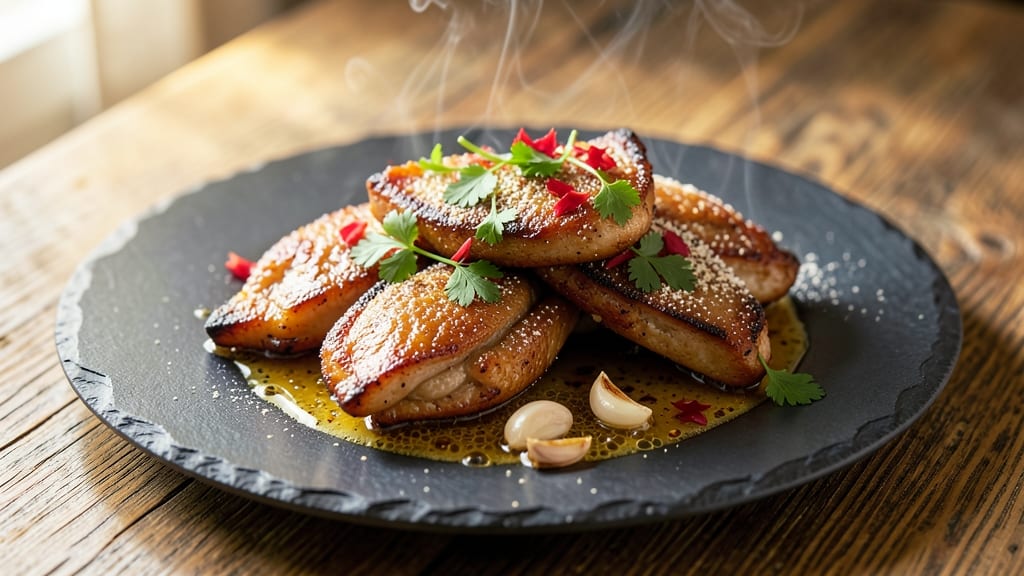
This frying chicken livers recipe turns ordinary ingredients into a rich, velvety dish that tastes like a high-end restaurant secret. The secret lies in proper preparation—cleaning thoroughly, seasoning generously, and cooking with precise temperature control to achieve that perfect balance of crispy edges and tender, rich centers.
I developed this method after years of testing, ensuring every bite is packed with flavor without being overpowering.
This recipe requires just five key ingredients but delivers complex, savory results that elevate any meal. The process is straightforward once you understand the critical steps: trimming excess fat, creating a flavorful crust with flour and spices, and cooking over medium-high heat to develop that signature crispiness.
What sets this apart is the attention to detail that prevents drying out while maximizing caramelization.
By the time you plate these golden-brown livers, you'll have a dish that's elegant enough for dinner parties yet simple enough for weeknight dinners. The crispy exterior gives way to tender, buttery meat that melts in your mouth, creating a texture contrast that's impossible to resist.
Serve with lemon wedges, fresh herbs, or a simple salad to complement their rich flavor profile.
Whether you're cooking for two or preparing a larger meal, this method scales perfectly while maintaining consistent results. The key is patience during the cooking process—rushing leads to uneven doneness, while proper timing ensures every liver is cooked to perfection. Here's how to achieve that ideal balance every time.
Ingredients for frying chicken livers
Five core ingredients transform simple chicken livers into restaurant-worthy crispy perfection.
| Ingredient | Amount | Notes |
|---|---|---|
| Chicken Livers 🍗 | 1 ½ lb | Fresh, trimmed of fat and connective tissue |
| All-Purpose Flour 🌾 | ½ cup | For light, crispy crust formation |
| Unsalted Butter 🧈 | ½ cup | Cold, cubed for even cooking |
| Fresh Parsley 🌿 | ¼ cup | Finely chopped, for freshness |
| Garlic Cloves 🧄 | 4 cloves | Minced, for aromatic depth |
| Kosher Salt 🧂 | 1 ½ tsp | Adjust to taste, enhances flavor |
| Ground Black Pepper 🌶️ | ½ tsp | Freshly ground for maximum flavor |
| Lemon Juice 🍋 | 1 tbsp | Freshly squeezed, for brightness |
| Olive Oil 🫒 | 2 tbsp | For pan-searing, high smoke point |
The chicken livers are the star, so source the freshest possible—ask your butcher for the plumpest, most vibrant ones. Butcher shops or high-quality grocery stores like Whole Foods carry the best cuts, often pre-trimmed for convenience. Trimming excess fat and connective tissue yourself ensures maximum tenderness. If using frozen livers, thaw them overnight in the fridge—never under running water, which can make them tough. The parsley and garlic should be bright and aromatic, with no wilting or discoloration. For the butter, opt for European-style unsalted if available—it has a higher fat content that promotes better browning.
No fresh parsley? Dried parsley at half the amount works in a pinch, though it lacks freshness. Substitute garlic with 1 tsp garlic powder, but fresh minced garlic is ideal for that aromatic punch. If you're avoiding butter, use duck fat or ghee for a similar rich texture. For extra crispiness, add 1 tbsp cornstarch to the flour mixture. The olive oil should be a light, fruity variety—avoid heavily flavored oils that can overpower the delicate liver flavor. Lemon juice can be swapped for white wine vinegar if preferred, but fresh lemon adds a bright contrast to the richness.
Freshly cleaned livers keep for 2-3 days in the fridge, wrapped tightly in paper towels. The flour mixture can be prepped ahead and stored in an airtight container for up to 1 week. For best results, cook the livers immediately after coating—this ensures maximum crispiness. Leftovers reheat beautifully in a skillet with a splash of water or broth to restore moisture. These reheated livers make excellent sandwich fillings or pasta additions, though they won't be as crispy as freshly fried.
Why You'll Love This Recipe
- Pan-Fry Magic: I swear by the butter-and-flour crust here—it’s that crispy, golden seal that makes all the difference. No deep-frying mess, just a hot skillet and 10 minutes of hands-off sizzling while you chop parsley like you’re in a bistro.
- Rich & Earthy: The livers are tender but never mushy, thanks to the garlic-infused butter melting into them. That parsley finish? It’s the bright note that keeps this dish from feeling heavy—like a fancy bite at a fraction of the cost.
- Weeknight Workhorse: I make this when I need something fast but still feel special—double batch on Sunday, reheat for sandwiches or salads all week. (Yes, even on a Tuesday night when takeout sounds better than it tastes.)
- Budget Protein Power: Chicken livers are my wallet’s best friend: cheap, packed with iron, and you can feed four for the price of one steak. The flour and butter are pantry staples, so this is basically free money in flavor form.
Step-by-step instructions for frying chicken livers
Mastering crispy edges while keeping the interior tender takes precision—here's how to nail it every time.
Prepare the Chicken Livers for Crispy Perfection
Start by trimming any visible fat and connective tissue from the 1.5 lb chicken livers using a sharp knife. This ensures even cooking and prevents the livers from becoming greasy. Rinse them thoroughly under cold water and pat completely dry with paper towels—moisture is the enemy of crispy edges.
Place the trimmed livers in a bowl and season generously with 1.5 tsp kosher salt and 0.5 tsp ground black pepper. Toss gently to coat evenly. Let them sit at room temperature for 15 minutes before cooking. This step guarantees they cook through without drying out while developing a flavorful crust.
Create the Light, Crispy Flour Coating
In a shallow dish, combine the 0.5 cup all-purpose flour with an additional 0.5 tsp kosher salt and 0.25 tsp ground black pepper. This extra seasoning in the flour ensures maximum flavor penetration. Dredge each liver individually, pressing lightly to adhere the flour evenly—don't overcrowd the dish or the coating will become soggy.
Let the floured livers rest for 5 minutes while you prepare the pan. This brief pause allows the flour to firm up slightly, creating a better barrier between the meat and the hot oil. The result? A golden, shatteringly crisp crust that locks in juices.
Pan-Sear in Butter and Olive Oil
Heat a large skillet over medium-high heat and add 2 tbsp olive oil and 0.25 cup unsalted butter (cold, cubed). Allow the butter to melt completely and foam to create a protective layer—this prevents the livers from sticking while adding rich flavor. You'll know the oil is ready when it shimmers but doesn't smoke excessively.
Working in batches to avoid overcrowding, add the floured livers to the skillet. Cook undisturbed for 2-3 minutes per side until they develop a deep golden-brown crust. Press down gently with a spatula during the first minute—this prevents curling and ensures even contact with the hot fat. The livers are done when the crust is crisp and the internal temperature reaches 145°F (use an instant-read thermometer for accuracy).
Finish with Garlic, Parsley, and Lemon
Remove the cooked livers from the skillet and transfer them to a warm plate. In the same skillet (with the rendered butter and oil still inside), add the 4 minced garlic cloves and cook for 30 seconds until fragrant. Immediately add the 0.25 cup finely chopped fresh parsley and stir to combine.
Return the livers to the skillet and toss gently to coat them in the garlic-parsley mixture. Finish with 1 tbsp freshly squeezed lemon juice and toss once more. The acidity brightens the rich flavors while the parsley adds freshness. Serve immediately while the crust remains crisp.
Pro Tips For Making Frying Chicken Livers
- Trim the Membrane: Chicken livers have a tough membrane on one side—peel it off before cooking or you’ll end up with a chewy bite. I learned this the hard way after biting into a liver that felt like eating a rubber band. Use a sharp knife and work quickly; it’s easier than it looks.
- Start Hot, Finish Gentle: High heat sears the flour crust fast, but once the livers are golden, drop the heat to medium-low. I used to keep the pan screaming hot, and the outsides burned before the insides cooked through. Butter’s your friend here—it’ll tell you when it’s time to slow down.
- Soak in Cold Water: Rinse the livers, then soak them in cold water for 10 minutes to remove any blood and bitterness. Skip this, and your dish will taste metallic no matter how much parsley you add. Drain well afterward—wet livers won’t crisp up.
- Mince the Garlic Fine: Don’t just chop it—press the garlic through a garlic press or mince it into a paste. This ensures it melts into the butter instead of sitting in chunks. I was skeptical until I tried it; now I won’t go back. The flavor spreads evenly, and the dish tastes richer.
Regional styles of these flavors
Southern-Style Crispy
In the American South, chicken livers are often prepared with a touch of smoked paprika and hot sauce for a bold, spicy kick. After pan-searing, I like to finish them with ½ cup chicken stock and 1 tbsp Cajun seasoning, then serve over cornbread for a true Southern brunch.
The heat from the Cajun blend cuts through the richness beautifully. 🌶️
French-Inspired Pané
French cuisine elevates chicken livers with a light breadcrumb crust instead of flour. For this method, toss the floured livers in ½ cup panko breadcrumbs mixed with 1 tsp dried thyme and ½ tsp nutmeg before frying.
Serve with a béchamel sauce and mushroom duxelles for an elegant bistro-style dish. The nutmeg adds warmth that pairs perfectly with the crispy exterior.
Italian Soffritto Style
In Northern Italy, chicken livers are often cooked with soffritto—a mix of onions, carrots, and celery sautéed in olive oil. After pan-searing, I add 2 tbsp white wine to deglaze the pan, then finish with 1 tbsp capers and fresh basil.
This method transforms the dish into a hearty antipasto that's perfect for family gatherings. The acidity from the wine brightens the rich flavors.
Spanish Patatas Bravas Twist
For a Spanish-inspired variation, pan-sear the livers as directed, then toss them in 1 tbsp smoked paprika and ½ tsp cayenne pepper. Serve with aioli sauce (garlic mayo) and roasted potato wedges for a bold, flavorful meal.
The smoky paprika adds depth that complements the crispy texture beautifully. This version is ideal for tapas-style dining.
German-Style with Apples
In Germany, chicken livers are often paired with sweet apples to balance their richness. After pan-searing, I sauté ½ cup thinly sliced apples in the same skillet with 1 tsp cinnamon and 1 tbsp apple cider vinegar.
The sweet-tart contrast makes this a standout dish for autumn meals. Serve with crusty rye bread to soak up the juices.
Middle Eastern Za'atar Crust
For a Middle Eastern twist, coat the livers in 2 tbsp za'atar seasoning mixed with 1 tbsp flour before frying. After cooking, finish with 1 tbsp tahini and lemon zest for a nutty, aromatic flavor profile.
This version pairs wonderfully with hummus and warm pita bread, creating a vibrant and flavorful meal that's perfect for any occasion.
Nutrition facts
Frequently asked questions
Why do chicken livers need to rest before frying?
Letting them sit at room temperature for 15 minutes ensures even cooking and prevents drying out. Cold livers release moisture unevenly, leading to uneven doneness. The brief rest also helps the seasoning adhere better for maximum flavor penetration.
Can I use frozen chicken livers for this recipe?
Yes, but thaw them overnight in the fridge—never under running water. Frozen livers contain ice crystals that can make them tough if thawed too quickly. Pat them completely dry before seasoning to maintain crispiness.
What's the best way to test if chicken livers are done?
Use an instant-read thermometer—they're done at 145°F internally. The crust should be golden-brown and crisp, with no pink remaining. Cutting into one reveals a rich, velvety center that's fully cooked through.
Can I make this recipe ahead of time?
Cook the livers fresh for best texture, but you can prep the flour mixture up to 1 week ahead and store it in an airtight container. Reheat gently in a skillet with a splash of water or broth to restore moisture. The crust won't be as crisp, but the flavor remains rich.
What's the secret to extra crispy edges?
Pat the livers bone-dry after trimming, use cold butter in the pan, and avoid overcrowding the skillet. Cook undisturbed for 2-3 minutes per side over medium-high heat—this creates maximum caramelization. A light press with a spatula prevents curling.