
Main Courses
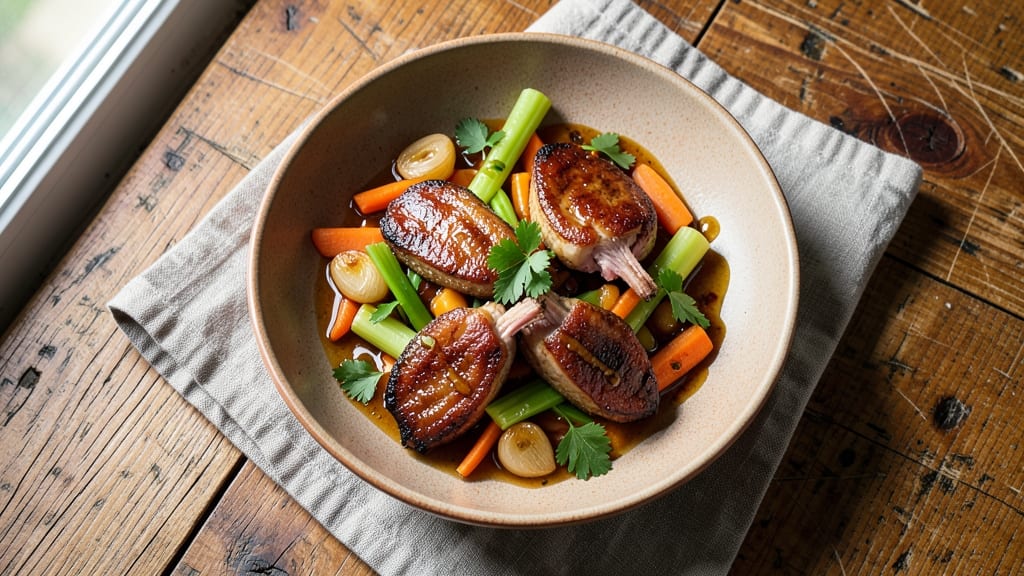
Slow-cooked chicken tongue with crispy skin transforms an often-overlooked cut into a luxurious, melt-in-your-mouth centerpiece that rivals any premium protein. This recipe draws from Southern traditions where chicken tongue was a staple—rich, gelatinous, and deeply flavorful when braised properly.
The key lies in slow cooking to tenderize the dense muscle, then crisping the skin just enough to add texture without sacrificing moisture.
What makes this dish special is its versatility—it works as a main course for a holiday spread or a hearty appetizer when sliced thin. The marinade (a blend of garlic, vinegar, and spices) penetrates deeply, while the slow braise in broth builds layers of savory depth.
For crispy skin, we finish with a quick sear in a hot pan, locking in that perfect contrast between tender meat and golden edges.
By the end, you'll have a dish that's restaurant-quality at home—juicy, flavorful, and impressive enough to serve at gatherings. The texture is unforgettable: silky yet firm, with a surface that shatters slightly when cut. Pair it with classic sides like mashed potatoes or a tangy slaw to balance the richness.
This method is foolproof for beginners but refined enough to satisfy seasoned cooks. The slow cooking ensures no guesswork, while the crispy skin adds a professional touch. Ready to elevate your cooking? Let’s get started with this timeless recipe.
Ingredients for chicken tongue
Four whole chicken tongues transform into a luxurious, crisp-skinned centerpiece with just these thirteen ingredients.
| Ingredient | Amount | Notes |
|---|---|---|
| Chicken Tongues 🦆 | 4 whole | Fresh, cleaned, skin-on |
| Apple Cider Vinegar 🍎 | ½ cup | For marinade penetration |
| Garlic Cloves 🧄 | 6 cloves | Minced for marinade depth |
| Yellow Onion 🧅 | 1 whole | Thinly sliced for braising |
| Carrots 🥕 | 2 medium | Peeled, cut into chunks |
| Celery Stalks 🌿 | 3 whole | Chopped for aromatic base |
| Bay Leaves 🍃 | 2 whole | Fresh for subtle flavor |
| Dried Thyme 🌿 | 1 tsp | Or 1 tbsp fresh thyme |
| Black Peppercorns 🌶️ | 1 tsp | Crushed for texture contrast |
| Chicken Broth 💧 | 2 cups | Homemade preferred, low-sodium |
| Olive Oil 🫒 | 2 tbsp | Extra-virgin for crisping skin |
| Salt 🧂 | 1 ½ tsp | Diamond Crystal preferred |
| Fresh Parsley 🌿 | ¼ cup | Chopped for garnish |
The chicken tongues should be plump and vibrant—avoid any with a sour smell or slimy texture. Source them from a reputable butcher or specialty market like D'Artagnan or Whole Foods, where they're typically sold pre-cleaned. The skin's crispiness depends entirely on proper preparation: pat dry thoroughly before marinating and searing. For the broth, homemade is ideal, but high-quality low-sodium options like Pacific Foods work well in a pinch. The apple cider vinegar should be unfiltered for maximum tang and marinating power.
No apple cider vinegar? White wine vinegar or red wine work equally well, though the flavor profile shifts slightly. Fresh thyme unavailable? Dried at one-third the amount maintains the aromatic base. For the vegetables, frozen chopped carrots and celery are acceptable substitutes if fresh isn't available, though they'll lack the same depth of flavor. The olive oil is critical for crisping—avoid light or refined oils that lack flavor. For a deeper umami profile, add 1 tsp soy sauce to the marinade. The garlic can be roasted for 5 minutes at 400°F before mincing to mellow its sharpness.
Marinated tongues keep 24-48 hours in the refrigerator, developing more flavor over time. The braised mixture reheats beautifully—simmer for 10-15 minutes on the stove or 30 minutes in a 350°F oven. For crispy skin, pat dry again before searing and work in batches to avoid steaming. Store leftovers in airtight containers with any braising liquid for up to 5 days. The crispy skin loses its texture when reheated, so serve freshly seared whenever possible.
Why You'll Love This Recipe
- One-Pot Magic: I swear by this recipe when I’m too tired to wash pots—just toss everything in one deep skillet, simmer, and walk away. The vinegar tenderizes those tough tongues while caramelizing the onions and garlic into a sticky, savory glaze.
- Umami Bomb: That first bite? Rich, deep, and meaty—like a cross between a braised short rib and a caramelized onion jam. The apple cider vinegar cuts through the richness, balancing the garlic’s punch and the carrots’ natural sweetness.
- Potluck Star: Between us, this dish always disappears at gatherings. It’s hearty enough for a Sunday dinner but simple enough to bring to a BBQ—just reheat and serve. My in-laws still ask for the recipe every year.
- Budget Bargain: Honestly, chicken tongues are one of the best-kept secrets for a filling, flavorful meal without breaking the bank. A few bucks gets you enough for leftovers, and the slow cook makes it stretch across lunches like a dream. (Yes, even on a Tuesday night.)
Step-by-step instructions for slow-cooked chicken tongues
Transform tough chicken tongues into tender, crisp-skinned delicacies with this precise braising technique.
Prepare and Marinate the Chicken Tongues
Begin by cleaning the 4 whole chicken tongues thoroughly under cold running water, removing any remaining membrane or connective tissue. Pat them completely dry with paper towels—this drying step is crucial for achieving crispy skin later. In a large bowl, combine the 0.5 cup apple cider vinegar, 6 cloves minced garlic cloves, 1.5 tsp salt, and 1 tsp crushed black peppercorns. Add the chicken tongues and turn to coat completely, ensuring they're fully submerged in the marinade.
Cover the bowl and refrigerate for at least 4 hours, preferably overnight. This acid marinade tenderizes the collagen-rich tongues while infusing them with deep flavor. The vinegar also helps break down any remaining connective tissue, ensuring fork-tender results. Real talk: Don't rush this step—proper marinating makes the difference between tough and luxurious textures.
Build the Aromatic Base and Braise
Heat the 2 tbsp olive oil in a large Dutch oven over medium heat. Add the 1 whole yellow onion (thinly sliced), 2 medium carrots (peeled and cut into chunks), and 3 whole celery stalks (chopped) along with the 2 whole bay leaves and 1 tsp dried thyme. Cook for 8-10 minutes, stirring occasionally, until the vegetables soften and the onion becomes translucent. This aromatic base forms the flavor foundation for your dish.
Remove the marinated chicken tongues from the refrigerator and add them to the Dutch oven, along with any accumulated marinade. Pour in the 2 cups chicken broth, ensuring the tongues are mostly submerged. Bring to a gentle simmer, then reduce heat to maintain a low bubble—this is where patience pays off. Here's the thing: The tongues need slow, even cooking to transform their tough collagen into silky texture. Cover and simmer for 2 hours, then carefully flip each tongue and continue cooking uncovered for another 1 hour until the meat is fork-tender.
Develop Crispy Skin and Finish
Increase heat to medium-high and remove the lid to allow moisture to evaporate. This final step is critical for achieving that coveted crispy skin. Let the tongues cook uncovered for 15-20 minutes, turning occasionally, until the skin becomes golden brown and crispy in spots. You'll know it's ready when the skin releases easily from the meat and the tongues pull apart with gentle pressure.
Once crispy, remove the chicken tongues from the pot and transfer them to a serving platter. Strain the braising liquid through a fine-mesh sieve to remove any solids, then return it to the pot. Reduce the liquid over high heat for 5-7 minutes until it thickens slightly into a glossy sauce. The sauce should coat the back of a spoon but still remain pourable. Garnish each serving with the 0.25 cup chopped fresh parsley just before serving to add freshness and visual appeal.
Pro Tips For Making Chicken Tongue
- SCOUR THEM FIRST: Chicken tongues are tough little devils—skip the scouring, and you’ll spend the next hour picking off grime. Grab a stiff brush and scrub them under cold water like you’re cleaning cast iron, especially the thick base where dirt hides. I learned this the hard way after biting into a mouthful of grit in my first attempt.
- SOAK IN VINEGAR: Don’t just toss the tongues into the pot raw—soak them in apple cider vinegar for at least 30 minutes first. The acid tenderizes the collagen and cuts through any lingering gamey flavor. I used to skip this, and the texture always felt chewy, no matter how long I simmered.
- DON’T CROWD THE PAN: If you’re searing the tongues before braising, leave space between them or you’ll steam them instead of brown them. A hot pan needs room to work—crowd them, and you’ll end up with pale, soggy meat instead of crisp edges. Trust me, the difference in flavor is night and day.
- CARROTS FIRST, ONIONS LAST: Add the carrots to the pot 15 minutes before the onions, garlic, and vinegar. Carrots take longer to soften, and if you throw everything in at once, they’ll turn to mush while the onions stay raw. Sounds weird, but it works—your veggies will be tender without falling apart.
Troubleshooting great chicken tongue
Skin Not Crispy Enough
If your chicken tongues lack crispiness, the issue likely stems from excess moisture during searing. Pat them thoroughly dry with paper towels before the final crisping step—even a damp surface prevents proper browning.
I recommend working in batches to avoid steaming the tongues in their own juices. For extra insurance, let them air-dry on a wire rack for 10-15 minutes at room temperature before searing. 🔥
Another common mistake is insufficient heat. Use medium-high heat and ensure your Dutch oven is hot enough—test with a drop of water that sizzles immediately. If your skin still feels soft, try a quick broil for 2-3 minutes under the oven's broiler, watching closely to avoid burning.
A wire cooling rack over a baking sheet helps maintain crispness while resting.
Tongues Too Tough
Overcooking is the primary culprit for tough chicken tongues. The collagen needs gentle, prolonged heat to break down properly—never rush the 3-hour braising time. If your tongues feel rubbery, extend the simmer by 30 minutes and check for tenderness by piercing with a fork.
For extra tenderness, add 1 tbsp apple cider vinegar to the braising liquid to help dissolve collagen further. 💪
If you skipped the marinade or used it for less than 4 hours, the tongues may not tenderize enough. The acid in vinegar is essential for breaking down connective tissue.
For a quick fix, simmer the tongues in 1 cup additional broth with 1 tbsp vinegar for 1 extra hour. Alternatively, slice them thinly against the grain to improve texture.
Braising Liquid Too Thin
A watery sauce often results from overloading the Dutch oven with broth. Stick to 2 cups of liquid—any more dilutes the flavor. If your sauce is too thin, reduce it by 50% over high heat until it coats the back of a spoon.
For deeper flavor, add 1 tbsp tomato paste or 1 tsp soy sauce during reduction. I also recommend skimming excess fat from the surface while reducing to prevent greasiness. 💧
If the sauce still lacks body, strain it through a fine-mesh sieve to remove vegetable debris, then simmer uncovered for 5-7 minutes to evaporate excess moisture. For a richer finish, whisk in 1 tbsp cold butter at the end—this adds creaminess without thinning the sauce further.
Uneven Cooking
Large tongues can cook unevenly if crowded in the pot. Arrange them skin-side up with space between each piece to allow heat circulation. If using a Dutch oven, avoid overfilling—leave 1 inch of headspace for steam to escape.
For extra insurance, flip the tongues once during the 2-hour simmer to ensure even exposure to heat. 🌡️
If your heat source varies (like a gas stove with hot spots), use a stove thermometer to monitor temperature. Maintain a gentle simmer (180-190°F)—boiling can toughen the meat. For electric stoves, reduce heat to medium-low and adjust as needed to prevent boiling.
Nutrition facts
Frequently asked questions
Why do chicken tongues need marinating?
The acid in apple cider vinegar breaks down collagen, transforming tough muscle into silky texture. Marinating for at least 4 hours (overnight is best) ensures deep flavor penetration and prevents rubbery results. This step is non-negotiable for restaurant-quality tenderness!
Can I substitute chicken tongues with another cut?
While no exact substitute exists, chicken feet or pork knuckles work similarly—both require long braising to tenderize. For a quicker option, use thick-cut pork chops (2+ inches) but reduce cooking time to 1 hour. The texture won't be identical, but the technique remains adaptable.
How do I serve chicken tongues at a dinner party?
Slice them ¼-inch thick against the grain for elegant presentation. Serve with: creamy mashed potatoes (to balance richness), tangy coleslaw (for acidity), and roasted Brussels sprouts (for earthy contrast). Garnish with parsley and drizzle with reduced braising sauce for a polished look.
What if I don't have a Dutch oven?
Use a heavy pot with a tight-fitting lid—anything that traps steam works. A 6-quart stockpot or even a large oven-safe skillet (covered) will do. Just ensure the tongues aren't overcrowded. For extra crispiness, finish under a broiler for 2-3 minutes if your pot lacks high heat.
Can I make this recipe ahead of time?
Yes! Braise the tongues up to 3 days ahead and refrigerate. Reheat gently in the braising liquid for 10 minutes before crisping the skin fresh. For make-ahead convenience, freeze cooked (un-crisped) tongues in airtight containers for up to 3 months. Thaw overnight in the fridge before finishing.