
Sauces & Condiments
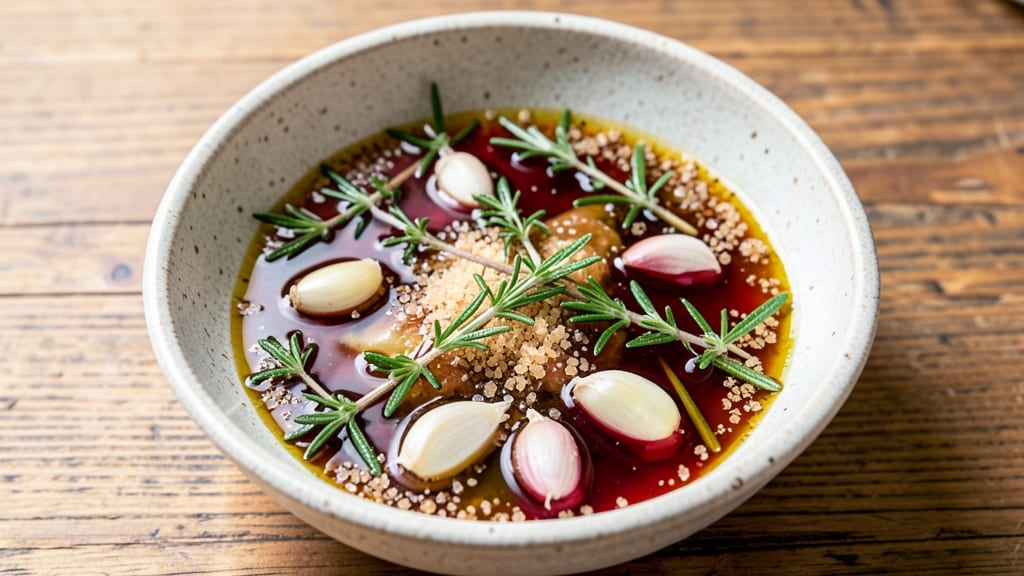
Transforming chicken hearts into tender, restaurant-worthy bites starts with this herb-infused marinade that balances their rich, gamey flavor with bright, aromatic notes. The secret lies in a precise blend of acid, oil, and fresh herbs that break down tough fibers while infusing every bite with depth.
I developed this marinade after years of experimenting with offal—it’s the one combination that consistently delivers melt-in-your-mouth results without overpowering the natural taste.
This marinade works its magic through a 30-minute minimum soak, though longer (up to 4 hours) enhances tenderness further.
The base of olive oil and red wine vinegar creates the perfect vehicle for rosemary, thyme, and garlic, while a touch of brown sugar caramelizes during cooking, adding a subtle sweetness that rounds out the flavor profile. The result?
Hearts that are tender enough to cut with a fork yet retain their natural richness, ideal for grilling or pan-searing.
What sets this marinade apart is its versatility—it transforms tough, chewy hearts into juicy, flavorful bites that shine as the star of any plate.
Whether you’re preparing them for a hearty stew, skewered for the grill, or pan-seared as a standalone protein, this marinade ensures every bite delivers restaurant-quality texture and depth. The herbs brighten the gamey flavor while the acid tenderizes, creating a harmonious balance that’s both professional and approachable.
For best results, use fresh herbs and allow the marinade to sit at room temperature before applying—this ensures even distribution and maximum flavor penetration. Once marinated, cook the hearts quickly over high heat to preserve their newfound tenderness.
The marinade itself can be doubled and stored in the fridge for up to a week, making it a game-changer for offal lovers and home cooks alike. Let’s get started on the perfect marinade.
Ingredients for chicken heart marinade
Nine ingredients transform tough chicken hearts into melt-in-your-mouth bites with restaurant-quality depth.
| Ingredient | Amount | Notes |
|---|---|---|
| Extra-Virgin Olive Oil 🫒 | ½ cup | High-quality, fruity variety preferred |
| Red Wine Vinegar 🍷 | ¼ cup | Dry, full-bodied for balance |
| Fresh Rosemary 🌿 | ¼ cup | Finely chopped, stems removed |
| Fresh Thyme 🌿 | ⅛ cup | Leaves only, stems discarded |
| Garlic Cloves 🧄 | 6 cloves | Minced for even distribution |
| Light Brown Sugar 🍚 | 2 tbsp | Packed, for caramelization |
| Kosher Salt 🧂 | 1 ½ tsp | Fine grain, Diamond Crystal preferred |
| Fresh Lemon Juice 🍋 | 2 tbsp | Freshly squeezed, no pulp |
| Black Peppercorns 🌶️ | ½ tsp | Freshly cracked, coarse grind |
The olive oil and red wine vinegar form the marinade's backbone—look for extra-virgin olive oil with peppery notes and a dry, aged red wine vinegar for balance. Fresh herbs are non-negotiable here; Whole Foods or local farmers markets carry the most vibrant rosemary and thyme. I always buy more than needed—they keep beautifully in the fridge for 2 weeks when wrapped in damp paper towels. The garlic should be firm with no green shoots, and the brown sugar should be light for subtle caramelization rather than overpowering sweetness. Don't compromise on these—your taste buds will thank you.
No fresh rosemary? Dried works at one-third the amount, but it lacks the bright aroma. Substitute lemon juice with white wine vinegar if needed, though it'll change the flavor profile slightly. Running low on olive oil? Avocado oil is a neutral alternative, though it won't add the same fruity depth. For the sugar, honey or maple syrup can replace brown sugar, but reduce to 1.5 tbsp to avoid excess sweetness. The black peppercorns should be freshly cracked—pre-ground loses its punch quickly. If you're short on time, pre-minced garlic from a jar works, but fresh is always better.
This marinade keeps for 1 week in an airtight container in the fridge, though it's best used within 3 days for maximum freshness. Double the batch if you're planning to marinate multiple batches of hearts—it's worth the extra effort. The marinade can be stored in glass jars with a tight seal to preserve all those aromatic oils. For long-term storage, freeze portions in ice cube trays and transfer to a freezer bag. Thaw overnight in the fridge before using—never at room temperature.
Why You'll Love This Recipe
- Five-Ingredient Magic: I swear by this combo—just oil, vinegar, rosemary, thyme, and garlic. No fancy techniques, no last-minute grocery runs. Honestly, I keep the ingredients in a jar by my stove so I can toss it together faster than I can scroll through my phone.
- Deep Umami Love: That red wine vinegar cuts through the richness of the chicken hearts, while the garlic and rosemary add a savory punch. The longer they marinate, the more tender and flavorful they get—like a cozy hug for your taste buds.
- Weeknight or Weekend: Use it for quick weeknight dinners or impress guests at a dinner party. The marinade works just as well for grilled chicken hearts as it does for roasted or even stir-fried. Between us, it’s my secret weapon for when I’m too tired to think.
- Budget Boost: Chicken hearts are cheaper than breasts, and this marinade stretches them into multiple meals. I’ll make a big batch, marinate extra, and freeze portions—perfect for when I’m too busy to cook. Plus, the leftovers? Even better the next day.
Step-by-step instructions for chicken heart marinade
This marinade transforms tough chicken hearts into melt-in-your-mouth tender bites.
Prepare the Herb Base
In a medium mixing bowl, combine the 0.5 cup extra-virgin olive oil and 0.25 cup red wine vinegar. The vinegar's acidity will begin breaking down the tough muscle fibers immediately, so don't let it sit too long before using. Whisk these two ingredients together until fully emulsified—the oil should form a smooth, glossy coating.
Next, add the 0.25 cup finely chopped fresh rosemary and 0.125 cup fresh thyme leaves. Use your fingers to gently massage the herbs into the oil mixture, releasing their essential oils. This step ensures maximum flavor infusion into the chicken hearts. The rosemary's piney notes and thyme's earthy warmth will create a complex herbal profile that complements the gamey richness of chicken hearts.
Incorporate Aromatics and Sweetener
Add the 6 minced garlic cloves to the herb mixture and stir thoroughly. The garlic should be completely dispersed—no visible chunks should remain. This is where the marinade's depth of flavor begins to develop. Let the mixture sit for 5 minutes while you prepare the chicken hearts, allowing the garlic to soften slightly and release its aromatic compounds.
In a separate small bowl, dissolve the 2 tablespoons packed light brown sugar into the 2 tablespoons fresh lemon juice. This creates a simple syrup that adds brightness and helps tenderize the meat. Stir this mixture into the herb-oil base, then add the 1.5 teaspoons kosher salt and 0.5 teaspoon freshly cracked black peppercorns. The sugar will caramelize slightly during the marinating process, adding another layer of complexity to the flavor profile.
Combine and Marinate for Maximum Tenderization
Place the cleaned and trimmed chicken hearts in a resealable plastic bag or shallow dish. Pour the marinade over the hearts, ensuring each piece is thoroughly coated. If using a bag, seal it tightly and massage the marinade into the meat through the bag's sides. For even coverage, I recommend turning the hearts every 30 minutes during the marinating process. This ensures all surfaces receive equal exposure to the tenderizing acids and enzymes.
Marinate the chicken hearts in the refrigerator for at least 4 hours, but ideally 8-12 hours for maximum tenderness. The acidity in the vinegar and lemon juice will work to break down connective tissues, while the oil and sugar help maintain moisture and add sweetness to balance the gamey flavor. Real talk: If you're short on time, even 2 hours will make a noticeable difference in texture, though the full marinating time yields the best results.
Prepare for Cooking
Before cooking, remove the chicken hearts from the marinade and let them sit at room temperature for 15-20 minutes. This step ensures even cooking throughout. Discard any leftover marinade that hasn't touched the meat—it contains raw chicken juices that could harbor bacteria. The hearts should now be plump and glistening with marinade, ready for your chosen cooking method whether that's grilling, pan-searing, or braising.
Here's the thing—this marinade works particularly well when followed by high-heat cooking methods. The initial tenderization makes the hearts perfect for quick searing, which develops a beautiful crust while keeping the insides juicy. If you're grilling, you'll want to cook them over medium-high heat for 3-4 minutes per side until they reach an internal temperature of 165°F. The marinade's sugar will caramelize beautifully, creating a glossy exterior that contrasts perfectly with the tender meat.
Pro Tips For Making Chicken Heart Marinade
- Mince That Garlic Fine: Chicken hearts are tough—don’t let them fight your marinade. Pulse your garlic cloves in a mini food processor until it’s almost paste-like. I used to chop it by hand, and while it worked, the marinade never felt as bold or penetrated as well. A few extra seconds here makes a real difference.
- Soak Hearts First: Skip the marinade if the hearts aren’t prepped right. Toss them in cold water for 10 minutes to rinse off any blood, then pat thoroughly dry with paper towels. Wet hearts steam instead of sear, and no one wants a sad, limp bite. (Yes, even if you’re impatient like me.)
- Balance the Vinegar: Too much red wine vinegar and your marinade turns into salad dressing. Start with 1 tablespoon per ½ cup oil, then taste—it should be sharp but not overpowering. I learned this the hard way after ruining a batch of hearts that tasted like a wine cooler. Adjust slowly.
- Infuse the Oil Right: Heat the olive oil just until it shimmers (90 seconds max), then remove from heat before adding herbs and garlic. This draws out their flavor without cooking them into oblivion. Cold-infused oil tastes flat; warm-infused oil burns fast. Find that sweet spot, and your marinade will sing.
Make-ahead tips for leftovers
Marinade Prep Ahead
Make this marinade up to 3 days in advance and store it in an airtight glass jar in the fridge. The flavors deepen as the herbs infuse longer, making it perfect for meal prep.
I like to double the batch—it’s worth the extra effort for future offal projects. The oil and vinegar base keeps well, so you can always add fresh herbs when ready to use. 🌿
Heart Prep Timeline
Clean and trim your chicken hearts 12-24 hours before marinating and store them uncovered in the fridge. This dries the surface slightly, helping the marinade cling better.
Pat them dry just before applying the marinade for maximum absorption. I find this step makes a noticeable difference in texture and flavor penetration. ⏰
Marinating Overnight
For best results, marinate the hearts overnight (8-12 hours) in the fridge. The extended time allows the acidity to fully tenderize while the oil and sugar infuse deeply. If you’re short on time, even 4 hours will yield tender results—just don’t expect the same level of transformation.
Pro tip: Use a resealable bag and massage the marinade into the meat for even coverage. 💫
Freezer-Friendly Hearts
Marinated hearts freeze beautifully for up to 3 months. After marinating, place them in a single layer on a tray to freeze solid, then transfer to a freezer bag.
Thaw overnight in the fridge before cooking—never at room temperature. The marinade’s oils prevent freezer burn, preserving both texture and flavor. This is a lifesaver for busy weeks! ❄️
Reusing Marinade
You can reuse leftover marinade (that touched the meat) up to 2 times for cooking other proteins like chicken thighs or pork chops. Simmer it for 5 minutes before reusing to kill any bacteria.
I’ve used this marinade on tougher cuts of beef with great results—just reduce the marination time to 2-3 hours to avoid over-tenderizing. 🔥
Cooking from Frozen
If you’re pressed for time, marinated hearts can be cooked directly from frozen using the reverse sear method. Start in a 300°F oven for 20 minutes, then sear in a hot skillet for 2-3 minutes per side.
The marinade’s sugar will caramelize beautifully, creating a glossy crust. This shortcut works surprisingly well for quick weeknight dinners. ⚡
Nutrition facts
Frequently asked questions
Can I use this marinade on other proteins besides chicken hearts?
This marinade works beautifully on tougher cuts like chicken thighs, pork chops, or even beef steak. For beef, reduce marination time to 2-3 hours to avoid over-tenderizing. The herbs and acid balance gamey flavors perfectly while keeping the meat juicy.
How do I know when my chicken hearts are properly marinated?
After marinating, the hearts should look plump and glistening with absorbed marinade. If they feel noticeably softer than before (test with your fingers), they're ready. The minimum 4-hour marinade time ensures tenderness, but overnight (8-12 hours) gives the best results.
What's the best way to store leftover marinade?
Store unused marinade in an airtight glass jar in the fridge for up to 1 week. For longer storage, freeze portions in ice cube trays. Always discard any marinade that touched raw meat after cooking to avoid cross-contamination.
Can I adjust the flavor profile for a sweeter or tangier taste?
Yes! For more sweetness, add 1 extra tablespoon of brown sugar. For tanginess, increase the red wine vinegar to 0.33 cup. The key is balancing these adjustments—start with small changes and taste as you go.
Why do my chicken hearts still taste gamey after marinating?
Gamey flavor is natural in chicken hearts, but this marinade's herbs and acid help balance it. If they're still too strong, try marinating longer (up to 12 hours) or add 1 tablespoon of honey to the marinade for sweetness. Cooking method matters too—high heat searing reduces gameiness.