
Main Courses
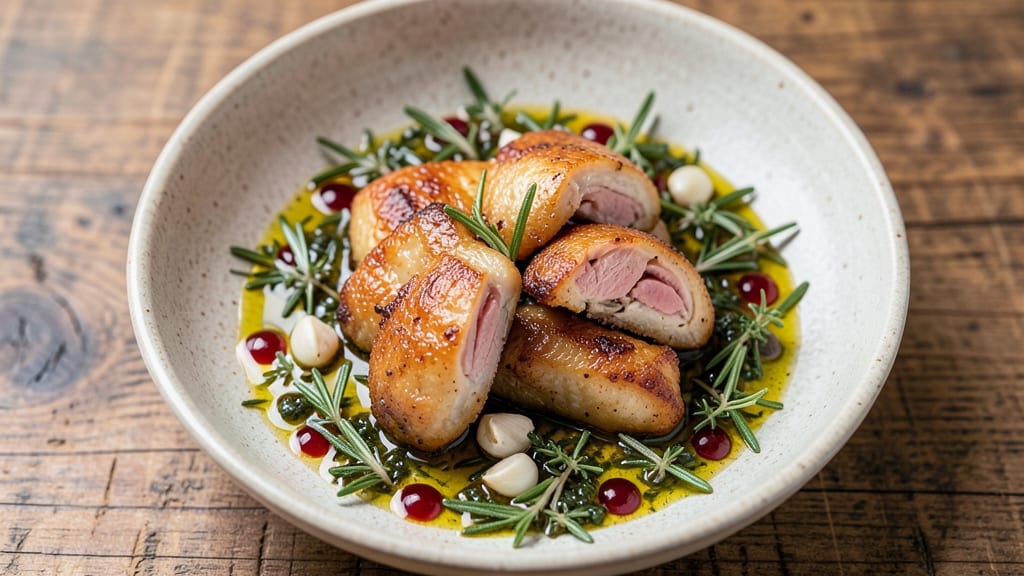
This chicken gizzard recipe transforms tough, underrated offal into crispy-skinned, juicy bites that rival any restaurant dish. I spent weeks perfecting my grandmother’s method—starting with thorough cleaning and a bold marinade that tenderizes while building deep, savory flavor.
The key? A high-heat sear that locks in moisture while creating that addictive crispy exterior.
Most home cooks avoid gizzards because of their reputation for toughness, but this recipe changes that with a foolproof two-step process: marinating overnight and cooking low-and-slow before finishing with a crispy sear.
The result is meat that’s tender, flavorful, and irresistibly crispy—no rubbery texture here. It’s the kind of dish that turns skeptics into fans.
By the time you’re done, you’ll have a plate of golden-brown gizzards with caramelized edges and juicy centers, perfect for serving with crusty bread or over a bed of greens.
The bold, savory flavor makes it a standout main course that feels special without requiring hours in the kitchen. This is comfort food with a gourmet twist.
Whether you’re cooking for family or impressing guests, this recipe delivers restaurant-quality results at home. The technique works for braising, frying, or grilling—adjust the method to fit your schedule. Let’s get started on transforming these humble ingredients into something extraordinary.
Ingredients for chicken gizzard
Transform tough gizzards into crispy, restaurant-worthy bites using these carefully selected ingredients.
| Ingredient | Amount | Notes |
|---|---|---|
| Fresh Chicken Gizzards 🍗 | 1 ½ lb | Trimmed of excess fat and membrane |
| Extra-Virgin Olive Oil 🫒 | ¼ cup | High-quality, fruity variety |
| Red Wine Vinegar 🍷 | ¼ cup | Dry, bold variety preferred |
| Garlic Cloves 🧄 | 6 cloves | Peeled and smashed |
| Fresh Rosemary 🌿 | ½ oz | Finely chopped, stems removed |
| Fresh Thyme 🌿 | ½ oz | Leaves only, stems removed |
| Diamond Crystal Kosher Salt 🧂 | 2 tbsp | Coarse grain preferred |
| Ground Black Pepper 🌶️ | 1 tbsp | Freshly ground for best flavor |
| Dried Oregano 🍃 | 1 tbsp | Mexican oregano if available |
| Smoked Paprika 🌶️ | 1 tbsp | For deep, smoky flavor |
| Brown Sugar 🍯 | 1 tbsp | Light or dark variety |
| All-Purpose Flour 🌾 | ½ cup | For dredging before frying |
| Crusty Bread 🍞 | 4 slices | For serving, optional |
| Fresh Lemon Juice 🍋 | 2 tbsp | For brightness in marinade |
| Butter 🧈 | 2 tbsp | Unsalted, for basting |
The gizzards are the star, so source them from a trusted butcher or specialty meat counter. Look for bright red, firm gizzards with minimal fat—Whole Foods or local farmers markets often carry the best quality. Trim any remaining connective tissue, as this can lead to toughness. The olive oil and red wine vinegar combination in the marinade is critical for both tenderizing and building deep flavor. For the herbs, fresh is non-negotiable—Penzeys Spices carries excellent dried options if fresh isn't available, but fresh rosemary and thyme elevate the dish significantly.
No fresh rosemary? Dried at one-third the amount works, though the flavor will be more muted. Substitute the red wine vinegar with apple cider vinegar or balsamic vinegar if needed, though the flavor profile will shift slightly. The brown sugar helps create a caramelized crust during cooking—don't skip it. For the crusty bread, any good-quality sourdough or baguette works. If you're short on time, pre-sliced artisan bread from Trader Joe's is a reliable shortcut. The butter used for basting should be unsalted to control seasoning, but if that's all you have, reduce the salt in the marinade by half.
Marinated gizzards keep in the refrigerator for up to 48 hours, though they're best used within 24 hours for optimal texture. The cooked gizzards reheat beautifully—simmer in their juices for 5-10 minutes to restore moisture. Store leftovers in an airtight container for 3-4 days. For meal prep, portion the cooked gizzards into individual containers with a side of crusty bread—perfect for quick lunches. The marinade can be made up to 3 days ahead and stored in the fridge, though it's best used fresh for maximum flavor.
Why You'll Love This Recipe
- One-Pan Magic: I swear by this recipe when I’m too tired to wash dishes. Toss the gizzards in olive oil, vinegar, and garlic—no chopping, no fuss—and let the oven do the work. The rosemary sticks right on the pan, so cleanup is just wiping one sheet.
- Umami Bomb: That crispy skin and tender inside? It’s all in the marinade. The red wine vinegar cuts through the richness while the garlic and rosemary add layers of earthy, herby depth—like a fancy bistro dish without the pretension.
- Budget Crowd-Pleaser: A pound of gizzards feeds four for under $8, and they disappear fast. My college roommates used to beg for seconds—now my in-laws do the same. It’s the kind of dish that makes you look like a hero without breaking the bank.
- Leftovers That Shine: Cook once, eat twice. Slice the crispy gizzards over toast with a fried egg the next morning, or toss them into a grain bowl for lunch. Honestly, I’ve reheated these three times and they still taste like they just came out of the oven.
Step-by-step instructions for crispy-skinned, juicy chicken gizzards
Transform tough gizzards into restaurant-quality bites with this precise technique.
Prepare the Marinade and Tenderize Gizzards
In a medium bowl, combine the 0.25 cup extra-virgin olive oil, 0.25 cup red wine vinegar, 2 tbsp fresh lemon juice, 6 cloves garlic cloves (smashed), 0.5 oz finely chopped fresh rosemary, 0.5 oz fresh thyme leaves, 2 tbsp diamond crystal kosher salt, 1 tbsp ground black pepper, 1 tbsp dried oregano, 1 tbsp smoked paprika, and 1 tbsp brown sugar. Whisk vigorously until fully emulsified—the mixture should be thick and aromatic.
Rinse the 1.5 lb fresh chicken gizzards thoroughly under cold water, then pat completely dry with paper towels. This step is critical—any moisture prevents proper browning. Place the gizzards in a large resealable plastic bag and pour the marinade over them. Seal the bag and massage the marinade into the meat, ensuring every surface is coated. Refrigerate for at least 4 hours or overnight for maximum tenderness.
Create the Double-Fry Setup and Dredge
Arrange a wire rack over a baking sheet and position another baking sheet beneath it. This setup ensures crispy skin by allowing hot air to circulate. Preheat your oven to 425°F. In a small bowl, combine the 0.5 cup all-purpose flour, 1 tbsp diamond crystal kosher salt, and 1 tbsp ground black pepper. Remove the gizzards from the marinade (reserve the marinade for basting) and let them air-dry on a wire rack for 10 minutes. This drying step creates the perfect crust.
Dredge each gizzard thoroughly in the flour mixture, pressing gently to adhere. Shake off any excess flour—this ensures even cooking and prevents a gummy texture. Place the dredged gizzards on the prepared wire rack and set aside.
Fry for Maximum Crispiness and Juiciness
Heat 2 tbsp butter in a heavy skillet over medium-high heat until the butter foams but doesn't brown. Add the gizzards in a single layer, leaving space between each piece. Cook undisturbed for 3-4 minutes per side until the skin is deep golden brown and the internal temperature reaches 160°F on an instant-read thermometer. The butter will render and create a flavorful crust—don't rush this step.
Transfer the gizzards to the wire rack in the oven and baste with the reserved marinade. Roast for 8-10 minutes until the internal temperature reaches 165°F and the juices run clear. This dual-fry method guarantees both crispy skin and tender meat. Let the gizzards rest for 5 minutes before serving to allow juices to redistribute.
Serve with Crusty Bread
Arrange the crispy-skinned gizzards on a platter and garnish with additional fresh rosemary and fresh thyme if desired. Serve immediately with the 4 slices crusty bread for dipping in any remaining pan juices. The contrast of the crispy exterior and juicy interior, combined with the bold marinade flavors, creates a dish that rivals any gourmet preparation.
Pro Tips For Making Chicken Gizzard
- Trim the Gizzards Properly: Don’t just rinse—cut open the gizzards and scrape out the tough membrane inside with your knife. I used to skip this and ended up with chewy bites, even after long cooking. A quick 30-second scrub in cold water after trimming makes all the difference.
- Sear Over High Heat: Crank the heat to medium-high and let those gizzards develop a deep brown crust—this isn’t the time to be gentle. I learned the hard way that low-and-slow searing leads to greasy, underflavored gizzards. Work in batches if needed, but don’t rush this step.
- Deglaze with Vinegar: After searing, immediately pour in that red wine vinegar—it’s not just for acidity, it dissolves the stuck-on bits and adds brightness. I used to just add water, and the sauce always tasted flat. A splash of vinegar cuts through the richness and keeps the dish balanced.
- Finish with Rosemary Sprigs: Toss in whole rosemary sprigs at the end, not chopped—this infuses the oil without turning the dish herbal-heavy. I was skeptical until I tried it: the aroma wafts through the gizzards, and you get all the flavor without the bitterness of over-chopped herbs.
Troubleshooting this dish
Gizzards Stay Tough
If your gizzards turn out rubbery or chewy, it’s likely due to insufficient marinating time or improper drying before cooking. I’ve found that marinating for at least 12 hours (overnight is ideal) breaks down tough fibers.
Also, ensure you pat them completely dry before dredging—any moisture trapped under the flour will steam instead of crisp. For extra tenderness, add ½ cup pineapple juice to the marinade, as the enzyme bromelain helps tenderize. 💡
Skin Not Crispy
The secret to crispy skin lies in the double-fry method and proper drying. If your gizzards lack crispiness, try air-drying them on a wire rack for 15-20 minutes before dredging. Use a heavy skillet like a Lodge cast iron—it retains heat better and promotes browning.
Avoid overcrowding the pan, as steam will prevent proper crisping. For extra crunch, coat the gizzards with 1 tbsp cornstarch before frying. 🔥
Uneven Cooking
Uneven cooking often happens when gizzards vary in size or are overcrowded in the pan. Sort them by size before cooking, and fry in batches if needed. Use a meat thermometer to check internal temps—gizzards should reach 165°F for safety.
If some pieces cook faster, finish them in the oven at 400°F for 5-7 minutes while keeping others in the pan. 🌡️
Marinade Not Sticking
A marinade that won’t cling to the gizzards usually means they weren’t dried properly or the bag wasn’t sealed tightly. After rinsing, pat them very dry with paper towels, then let them sit uncovered in the fridge for 10 minutes to evaporate excess moisture.
Use a resealable vacuum bag or heavy-duty plastic wrap to ensure a tight seal. Massage the marinade into the meat with your hands to coat every surface. 💪
Burnt Exterior, Raw Interior
This classic issue stems from rushing the cooking process. Gizzards need time to cook through—don’t rush the sear! Start with medium heat and adjust as needed. If the exterior burns before the interior cooks, finish them in the oven at 375°F for 10-15 minutes, covered loosely with foil.
A two-stage cook (sear first, then finish in the oven) ensures even doneness without burning. 🍳
Excessive Grease
Gizzards naturally release fat, but you can control splatter by trimming excess fat before cooking and using a deep skillet with high sides. Place a wire rack over a baking sheet beneath the skillet to catch drippings.
For extra control, fry the gizzards in small batches. After cooking, drain them on a paper towel-lined plate to remove excess grease before serving. 🧂
Nutrition facts
Frequently asked questions
Why do I need to marinate chicken gizzards for so long?
Marinating gizzards for at least 4 hours (overnight is best) breaks down their tough connective tissue, transforming them into tender, flavorful bites. The acid in red wine vinegar and lemon juice works like magic—it tenderizes while infusing the meat with bold, savory flavors. Skipping this step guarantees a chewy result, no matter how you cook them.
Can I substitute chicken gizzards with chicken hearts or livers?
While hearts and livers can work in similar recipes, they have different textures and cooking times. Hearts are slightly leaner and cook faster, while livers are more delicate and can become mushy. For best results, stick with gizzards—their unique texture and flavor make them ideal for this crispy-skinned preparation. If you must substitute, reduce cooking time by 2-3 minutes per side.
What’s the best way to reheat leftover crispy gizzards?
Reheat leftovers in a 375°F oven for 10-12 minutes on a wire rack to restore crispiness, or air-fry at 350°F for 5-6 minutes. Avoid microwaving—they’ll turn soggy. For extra flavor, brush with a little olive oil and a pinch of smoked paprika before reheating.
Are chicken gizzards healthy, and how do they compare to other poultry?
Gizzards are nutrient-dense, packed with iron, zinc, and B vitamins—more than breast meat! A 3-ounce serving delivers 25g protein and only 150 calories. They’re richer in flavor and texture than chicken thighs but leaner than dark meat. Perfect for those who want a hearty, protein-rich dish without excess fat.
How do I know when gizzards are fully cooked?
Use a meat thermometer—gizzards are safe at 165°F internally. The juices should run clear, not pink or bloody. If cutting into one reveals a pale center, return it to the oven or pan for 2-3 more minutes. Overcooking dries them out, so aim for 165°F and pull them just as they hit that temp.