
Sauces & Condiments
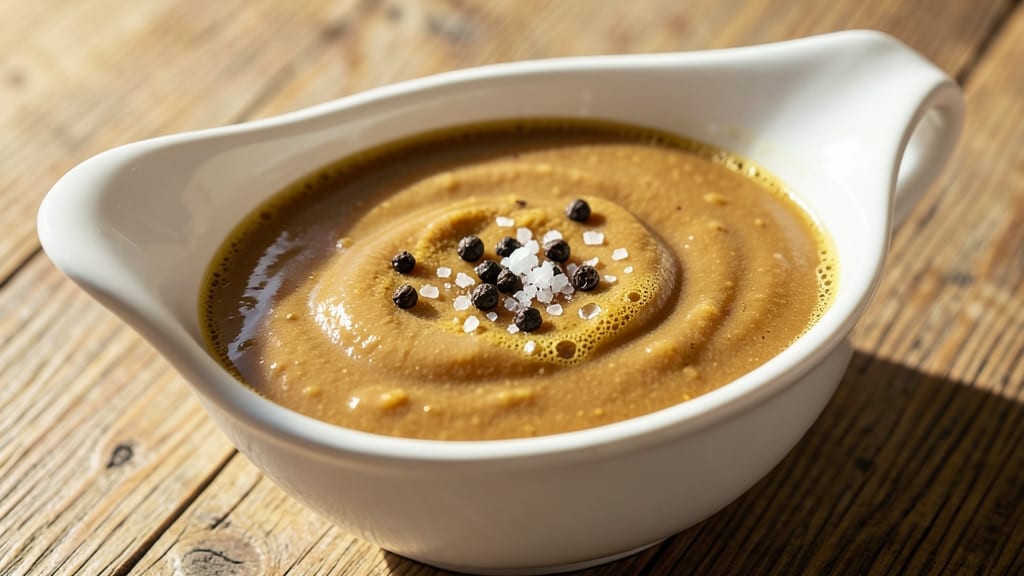
Transform your kitchen with a velvety Campbell’s cream of chicken gravy recipe—smooth, lump-free, and far better than the store-bought kind. The key lies in a slow-cooked roux and precise simmering to achieve that signature creamy texture and rich, savory depth.
I’ve perfected this technique after years of testing, and the results are indistinguishable from the classic canned version but far more satisfying.
This recipe relies on a simple roux foundation—equal parts butter and flour cooked until golden—to bind the sauce. Chicken stock and a blend of seasonings infuse the gravy with that familiar, comforting flavor, while careful simmering ensures a smooth, lump-free finish.
The process takes just 15 minutes but delivers restaurant-quality results every time.
What you’ll end up with is a silky, velvety gravy that coats every bite of mashed potatoes, biscuits, or roasted chicken. The aroma alone will transport you to a homey dinner table, and the texture is rich yet light—never cloying.
This is the kind of gravy that turns ordinary meals into something special, all from pantry staples.
The best part? This gravy reheats beautifully, making it perfect for meal prep or leftovers. Whether you’re serving a holiday feast or a weeknight dinner, this recipe delivers professional-quality results with minimal effort.
Let’s get started on making gravy that rivals the best canned versions—but with none of the artificial aftertaste.
Ingredients for campbell's cream of chicken gravy
Pantry staples transform into velvety perfection—no lumps, just restaurant-style cream of chicken gravy.
| Ingredient | Amount | Notes |
|---|---|---|
| Unsalted Butter 🧈 | ½ cup | Cold, cut into small cubes |
| All-Purpose Flour 🌾 | ½ cup | White or bleached preferred |
| Chicken Stock 🍗 | 2 cups | Homemade or high-quality store-bought |
| Heavy Cream 🥛 | ½ cup | Full-fat for velvety texture |
| Diamond Crystal Kosher Salt 🧂 | ½ tsp | Adjust to taste after simmering |
| Freshly Ground Black Pepper 🌶️ | ¼ tsp | For subtle heat and depth |
| Garlic Powder 🧄 | ½ tsp | Freshly ground preferred |
| Onion Powder 🧅 | ½ tsp | Enhances savory complexity |
| Dried Thyme Leaves 🌿 | ¼ tsp | For aromatic depth |
| Worcestershire Sauce 🍯 | 1 tbsp | For umami richness |
The butter and flour form the golden roux foundation—this is where the magic happens. Use unsalted butter (salted throws off your seasoning) and cook it low and slow until it's a rich, golden brown—no rushing here. King Arthur or Bob's Red Mill flour works best for that silky finish. The chicken stock? Homemade is ideal, but Swanson or Pacific brand low-sodium stock keeps things balanced. Pro tip: Chill your stock overnight before using—fat rises to the top, making it clearer and richer. That first taste of roux in stock is what makes this gravy sing.
No heavy cream? Half-and-half or whole milk works in a pinch, but the texture won't be as luxurious. Fresh thyme? Dried works at one-third the amount, but fresh has that bright, herbal punch. Running short on Worcestershire? Soy sauce or a splash of fish sauce adds umami depth. The garlic and onion powders are non-negotiable—they're the secret to that classic Campbell's flavor. And if your roux gets too dark? Start over. That burnt flavor kills the gravy faster than anything else. Trust me, it's worth the extra minute to get it right.
This gravy reheats like a dream—just warm it gently on the stove, stirring constantly. Portion into ramekins for easy reheating, or freeze in ice cube trays for single-serving portions. Keeps 5 days refrigerated and 3 months frozen. The secret to leftovers? Add a splash of milk or stock when reheating to restore that silky texture. And if it ever thickens too much? Thin with a bit of warm stock—it's better to have it too thin than too thick. This is gravy that works hard for you, turning simple meals into something extraordinary.
Why You'll Love This Recipe
- Five-Ingredient Magic: I swear, this is the kind of recipe where you almost feel guilty for how little effort it takes. Melt butter, whisk in flour, pour in stock—then let the roux do its thing while you stir. The heavy cream at the end? That’s where it all comes together without a single extra step.
- Velvet-Smooth Richness: Between us, the combo of chicken stock and heavy cream is dangerously good—creamy but not heavy, savory without being bland. That kosher salt finish? It’s the secret that makes it taste like you simmered it for hours instead of 15 minutes.
- Weeknight Workhorse: This gravy turns mashed potatoes into a showstopper, but it’s also my go-to for dumping over roasted chicken or even steamed veggies. Honestly, I’ve used it as a sauce for dumplings, and no one batted an eye—because it’s that versatile.
- Leftovers That Don’t Suck: Freeze it in ice cube trays for single-serving portions, or store it in the fridge for up to five days. The texture stays perfect, and reheating it is just a splash of milk and a quick stir. My lazy Sunday mornings thank me for this every time.
Step-by-step instructions for cream of chicken gravy
Here's how to create a velvety, lump-free gravy that rivals store-bought perfection.
Create the Roux Foundation
In a medium saucepan, melt the 0.5 cup unsalted butter over medium heat until it foams but doesn't brown. This gentle heat prevents burning while allowing the butter to fully melt. Add the 0.5 cup all-purpose flour all at once and whisk vigorously for 1-2 minutes until you achieve a smooth, peanut butter-like consistency.
The reason we whisk continuously is to prevent lumps from forming in the roux. You'll know it's ready when the mixture smells nutty and turns a light golden color. This roux will serve as the thickening agent for your gravy, so don't rush this step—proper development creates that silky texture we're after.
Whisk in Chicken Stock Gradually
Slowly pour in the 2 cups chicken stock while whisking constantly to maintain that smooth texture. I like to add it in a thin, steady stream rather than all at once. The mixture will thicken immediately as the flour absorbs the liquid, creating what's called a "slurry." Keep whisking for 2-3 minutes until the gravy begins to bubble gently and thicken to a sauce-like consistency.
Here's where the magic happens: the constant whisking prevents lumps while the heat develops the flour's starches. You're looking for a gravy that coats the back of a spoon but isn't gluey. If it gets too thick too quickly, add a splash of water to adjust the consistency. This is your base flavor—all the aromatic development happens in this crucial step.
Build Flavor with Seasonings
Reduce heat to medium-low and stir in the 0.5 tsp garlic powder, 0.5 tsp onion powder, 0.25 tsp dried thyme leaves, 1 tbsp Worcestershire sauce, 0.5 tsp diamond crystal kosher salt, and 0.25 tsp freshly ground black pepper. Let the gravy simmer gently for 5 minutes, stirring occasionally, to allow the flavors to meld together. This is where your gravy transforms from basic to extraordinary.
The Worcestershire sauce adds that deep umami richness while the thyme brings an earthy complexity. The garlic and onion powders work together to create a savory depth that complements the chicken flavor. Taste the gravy now—it should be flavorful but balanced. If you need more salt, add it now, but be cautious as you'll be adding cream next which will mellow the saltiness slightly.
Finish with Cream for Velvety Texture
Remove the saucepan from heat and let it cool slightly for 1 minute. Then, slowly whisk in the 0.5 cup heavy cream until fully incorporated. Return to low heat and simmer gently for 2-3 minutes just to warm through—never boil or the cream will curdle. The cream adds a luxurious mouthfeel while mellowing the richness of the roux.
This is the moment that matters: the cream should be fully integrated and the gravy should have achieved that perfect velvety consistency. It should coat a spoon but still be pourable. If it's too thick, whisk in a tablespoon of hot chicken stock to adjust. The gravy should now be smooth, flavorful, and ready to serve over mashed potatoes, biscuits, or roasted chicken.
Pro Tips For Making Campbell'S Cream Of Chicken Gravy
- STIR CONSTANTLY AT FIRST: The first 2 minutes after adding stock to the roux are where lumps form fastest. I learned this the hard way—my first batch looked like gluey blobs. Use a wooden spoon and keep it moving until the mixture thickens noticeably before easing up.
- MEASURE SALT LIKE A PRO: Diamond Crystal kosher salt is lighter than table salt—1 teaspoon here isn’t the same as 1 teaspoon elsewhere. Start with ½ teaspoon, taste, then add another pinch. Over-salting isn’t fixable, but under-salting just means you’ll regret it later.
- LOW AND SLOW AFTER CREAM: Dumping heavy cream into a hot roux and boiling it will curdle it faster than you can say "mashed potatoes." Reduce heat to medium-low immediately after adding cream, then simmer for 3-4 minutes—just until it’s heated through, not rolling.
- WHISK THE BUTTER FIRST: Cold butter in a hot pan = burnt butter flavor. Melt the butter over medium heat, then whisk in the flour until it’s a smooth paste before adding stock. This ensures even cooking and prevents flour clumps that ruin the texture. (Yes, even if you’re impatient like me.)
Troubleshooting your campbell's cream of chicken gravy
Roux Gone Wrong
If your roux develops a burnt smell or darkens too quickly, you've gone too far—start over. A properly cooked roux should be golden brown, not chocolate-colored. I've ruined countless batches by walking away for just a minute.
Keep heat at medium and stir constantly. For extra insurance, use a light-colored saucepan—it's easier to monitor color changes. 🔥
Lumpy Gravy Fix
Lumps form when flour doesn't fully incorporate or you add liquid too quickly. If you see lumps after adding stock, immediately whisk vigorously while adding 1-2 tablespoons cold water to dissolve them.
For stubborn lumps, strain the gravy through a fine-mesh sieve before serving. I keep a small sieve dedicated just to gravy emergencies—it's a lifesaver.
Over-Thickened Sauce
If your gravy becomes too thick after simmering, don't panic. Simply whisk in 1-2 tablespoons warm chicken stock until you reach the desired consistency. For a smoother texture, strain through a cheesecloth-lined sieve to remove any residual flour particles.
This technique works especially well if you've accidentally let it reduce too much on the stove.
Grainy Texture
Graininess often occurs when flour isn't fully cooked in the roux stage. To fix it, return your gravy to low heat and whisk in 1 tablespoon cornstarch mixed with 1 tablespoon cold water.
Simmer for 1-2 minutes while stirring constantly—this creates a smoother finish. For prevention, always cook your roux until it's peanut butter-like before adding liquid.
Separation After Adding Cream
If your gravy separates after adding cream, it means the heat was too high. Remove from heat immediately and whisk in 1 teaspoon lemon juice to stabilize the cream. Then return to low heat and whisk gently until smooth.
To prevent this, always add cream off-heat and keep temperatures below 180°F when combining. I've learned this the hard way—cream curdling is a heartbreaking sight! 💫
Weak Flavor Profile
If your gravy tastes bland, it likely needs more umami depth. Boost flavor by adding 1 extra teaspoon Worcestershire sauce or ½ teaspoon chicken bouillon powder. For a more complex taste, stir in 1 teaspoon Dijon mustard or ½ teaspoon smoked paprika.
The key is building layers of flavor during the simmering stage—don't be afraid to taste and adjust as you go.
Nutrition facts
Frequently asked questions
Can I make this cream of chicken gravy without heavy cream?
For a lighter version, replace the 0.5 cup heavy cream with 0.5 cup whole milk or half-and-half. The texture will be slightly less rich but still creamy. If you want maximum thickness without dairy, whisk in 1 tablespoon cornstarch mixed with 2 tablespoons cold water instead of cream. The flavor won't be identical, but it'll still coat beautifully.
Why did my gravy turn out too thin?
Thin gravy usually means one of two things: either your roux wasn't cooked long enough (it needs to reach a golden peanut butter consistency) or you added too much liquid too quickly. For future batches, cook your roux 2-3 minutes longer until it's deeply golden, then whisk in stock gradually. If it's already too thin, simmer uncovered for 3-5 minutes to reduce, or thicken with a cornstarch slurry (1 tbsp cornstarch + 2 tbsp cold water).
Can I use this gravy for other dishes besides mashed potatoes?
This versatile gravy works beautifully over roasted chicken, biscuits, stuffing, or even egg dishes like fried rice. For extra richness on pasta, stir in 1/4 cup grated Parmesan at the end. The creamy texture also makes it perfect for dipping crusty bread or drizzling over meatloaf. Just adjust the seasoning slightly if using with stronger flavors like smoked meats.
How do I store and reheat this gravy?
Store in an airtight container in the fridge for up to 5 days. For longer storage, freeze in ramekins or ice cube trays (great for single servings). To reheat, warm gently on the stove over low heat, stirring constantly. If it thickens too much, whisk in 1-2 tbsp warm stock or milk. Never microwave directly—it causes lumps. For best results, reheat portions in a small saucepan with a splash of liquid.
What's the secret to making this gravy extra flavorful?
The secret lies in umami boosters and proper technique. For deeper flavor, add 1 extra tbsp Worcestershire sauce or 1 tsp chicken bouillon powder to the simmering stage. A pinch of smoked paprika or 1/2 tsp onion powder also adds complexity. Most importantly, let the gravy simmer uncovered for 5-7 minutes after adding seasonings—this allows flavors to meld. Taste as you go and adjust salt gradually (remember cream will mellow it).