
Main Courses
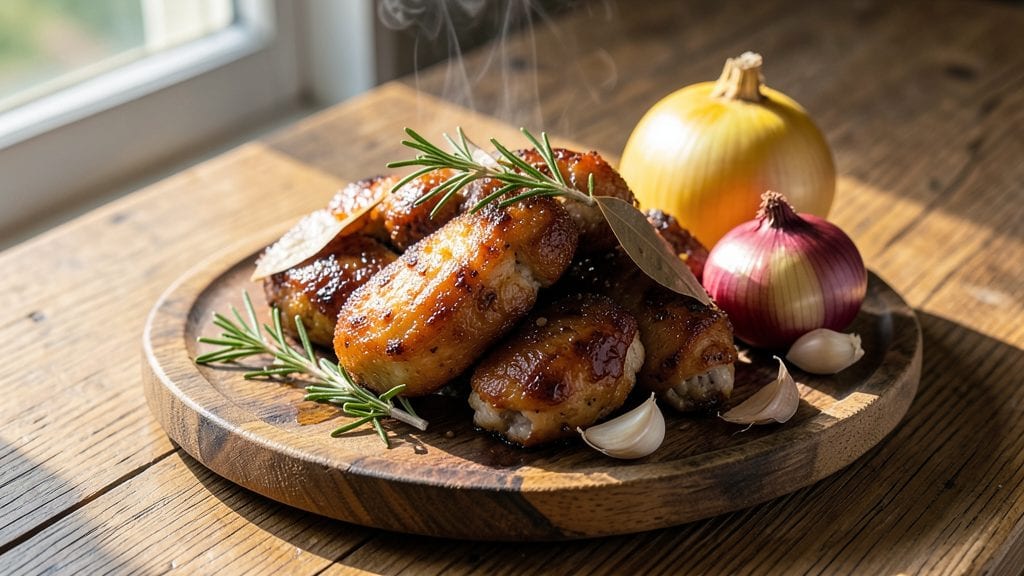
Boiled chicken gizzards deliver tender, flavorful protein that transforms simple ingredients into a restaurant-worthy meal—just like my grandmother used to make back in Georgia. The secret lies in proper preparation and slow simmering, which breaks down the tough texture while infusing every bite with aromatic herbs and spices.
I’ve perfected this technique over years of cooking for large gatherings, ensuring the results are foolproof every time.
This method starts with thorough cleaning and parboiling to remove any bitterness, followed by a seasoned simmer that transforms gizzards into melt-in-your-mouth perfection. The process takes about 45 minutes from start to finish, making it ideal for weeknight dinners or meal prep.
You’ll need just a few simple ingredients—gizzards, aromatics, and your choice of seasoning—to create a dish that’s both comforting and impressive.
By the end, you’ll have tender gizzards with rich, savory flavors that pair beautifully with buttery mashed potatoes, crusty bread, or a fresh garden salad. The broth can even be repurposed for soups or gravies, minimizing waste and maximizing flavor.
Whether you’re feeding a family or preparing a hearty meal for one, this recipe delivers professional-quality results at home.
For those who prefer a modern twist, try infusing the cooking water with garlic, thyme, or even a splash of vinegar for brightness. The versatility of this dish makes it perfect for any occasion—simple yet elevated. Let’s get started on creating a meal that tastes like home.
Ingredients for boiled chicken gizzard
Simple ingredients, big Southern flavor—just like Grandma used to make.
| Ingredient | Amount | Notes |
|---|---|---|
| Chicken Gizzards 🍗 | 1 ½ lb | Fresh, cleaned, trimmed of excess fat |
| Large Yellow Onion 🧅 | 1 whole | Quartered, skin on for color |
| Garlic Cloves 🧄 | 6 cloves | Smashed lightly for aroma |
| Fresh Thyme Sprigs 🌿 | 4 whole | Or 1 tbsp dried thyme |
| Fresh Rosemary Sprigs 🌿 | 2 whole | Or 1 tsp dried rosemary |
| Bay Leaves 🍃 | 2 whole | Fresh or dried |
| Apple Cider Vinegar 🍏 | ½ cup | For brightness and tenderness |
| Diamond Crystal Kosher Salt 🧂 | 1 ½ tbsp | For seasoning and firming |
| Black Peppercorns 🌶️ | 1 tbsp | Coarsely crushed |
| Butter 🧈 | 2 tbsp | Unsalted, for finishing |
| Water 💧 | 4 cups | Filtered or spring water |
| Lemon Juice 🍋 | 1 tbsp | Freshly squeezed for acidity |
Gizzards are the star, so source them fresh from a trusted butcher—they should be bright red, not gray or slimy. Costco or local farms often have them pre-cleaned, but if not, soak in cold water with vinegar for 15 minutes to remove any grit. The aromatics—onion, garlic, thyme, and rosemary—build the flavor base, so don’t skimp. I always grab fresh thyme and rosemary from the grocery store’s produce section—they’re cheaper than dried and make a world of difference. The apple cider vinegar is non-negotiable; it tenderizes the gizzards and balances the richness.
No fresh herbs? Dried thyme and rosemary work at one-third the amount, but the texture won’t be as vibrant. Out of vinegar? Lemon juice or white wine vinegar in a pinch, but the flavor won’t be as complex. For the salt, Diamond Crystal kosher is ideal—it dissolves easily and enhances flavor without overpowering. The butter at the end is optional but adds a luxurious finish (trust me on the full-fat version). If you’re prepping ahead, clean the gizzards and store them in the fridge for up to 2 days—just don’t rinse them until you’re ready to cook.
This dish reheats beautifully—just warm the broth with the gizzards in a pot for 5-10 minutes on low heat. The broth freezes well for up to 3 months, perfect for soups or gravies later. I always make extra because the leftovers taste even better the next day. Store the gizzards in their broth in the fridge for up to 3 days, or freeze for 2 months in an airtight container. The herbs can be removed before freezing if you prefer.
Why You'll Love This Recipe
- No-Chop Necessary: I swear by this trick—just toss whole gizzards in boiling water with the onion and herbs. The onion softens enough to break apart with a spoon, and the garlic infuses the broth without any mincing. That’s right, no knife required.
- Herb-Packed Punch: Between us, rosemary and thyme turn these gizzards into something special. The rosemary adds a piney depth while the thyme brightens every bite—like a hug for your taste buds. (Yes, even on a Tuesday night.)
- Leftover Goldmine: Boiled gizzards keep for days in the fridge, and they’re even better the next day. I’ll repurpose them into tacos, salads, or even fried rice—no waste, just flavor. Honestly, this is my secret weapon for lazy lunches.
- Budget-Friendly Protein: A pound of gizzards costs less than half what chicken thighs do, and you get way more servings. The onions and garlic stretch the flavor, so you’re not sacrificing taste for savings. My wallet and my family thank me every time.
Step-by-step instructions for boiled chicken gizzards
Here's how to transform tough gizzards into melt-in-your-mouth bites using simple techniques.
Prepare the Gizzards for Cooking
Begin by thoroughly rinsing the 1.5 lb chicken gizzards under cold water to remove any residual blood or impurities. Pat them completely dry with paper towels—this step is crucial for even cooking and crispiness. Using a sharp knife, trim away any excess fat or connective tissue you notice, as this helps the gizzards cook more uniformly and prevents a greasy finished dish.
In a large pot, combine the quartered large yellow onion, smashed 6 cloves garlic, 4 whole fresh thyme sprigs, 2 whole fresh rosemary sprigs, and 2 whole bay leaves. This aromatic base will infuse the gizzards with deep, layered flavors. Add the 0.5 cup apple cider vinegar and 4 cups water to the pot, bringing everything to a gentle boil over medium-high heat. The vinegar not only adds brightness but also helps tenderize the gizzards during cooking.
Season and Simmer the Gizzards
Once the liquid reaches a rolling boil, carefully add the prepared chicken gizzards to the pot. Reduce the heat to medium-low to maintain a steady simmer—you're aiming for small, gentle bubbles breaking the surface, not a vigorous boil. This controlled temperature prevents the gizzards from toughening up.
Stir in the 1.5 tbsp diamond crystal kosher salt and coarsely crushed 1 tbsp black peppercorns, ensuring the gizzards are well-coated with seasoning. Cover the pot with a tight-fitting lid and let the gizzards simmer for 45 minutes. Here's the thing—don't peek or stir during this time. The trapped steam and consistent heat are what break down the connective tissue, transforming the gizzards into tender morsels.
Finish with Butter and Acid
After 45 minutes, carefully remove the gizzards with a slotted spoon and set them aside in a warm bowl. The cooking liquid should still be simmering gently—this is where the magic happens. Add the 2 tbsp butter to the pot and let it melt completely into the broth, creating a rich, velvety finish. Stir in the 1 tbsp lemon juice, which brightens the flavors and balances the richness of the butter.
Return the gizzards to the pot and let them simmer uncovered for an additional 10-15 minutes, until they're fork-tender and easily pull apart. The liquid should now coat the gizzards beautifully, ensuring each bite is infused with the aromatic flavors from the onion, garlic, and herbs. Taste the broth—it should be seasoned perfectly, with a balance of saltiness, acidity, and herbal notes.
Serve with Pan Sauce
Once the gizzards are fully tender, remove them from the pot and transfer them to a serving platter. The cooking liquid should now be reduced and flavorful—this is your pan sauce. If you prefer a thicker consistency, carefully simmer the liquid uncovered for an additional 5 minutes to reduce it further. The sauce should lightly coat the back of a spoon, clinging to the gizzards and enhancing their natural flavor.
Serve the gizzards immediately, spooning the aromatic sauce over the top. The combination of tender gizzards, rich butter sauce, and bright lemon finish creates a dish that's both comforting and sophisticated. Pair with crusty bread to soak up every last bit of that flavor-packed liquid—it's where all the goodness hides.
Pro Tips For Making Boiled Chicken Gizzard
- BLANCH FIRST: DESCRIPTION: Drop gizzards in boiling water for 30 seconds before simmering—I learned this the hard way after a batch turned out chewy. It loosens the tough fibers so they absorb flavor like they’re supposed to, not like rubber.
- SALT THE WATER: DESCRIPTION: Add 2 tablespoons of salt to the boiling water (yes, even if the gizzards are pre-salted). It seasons the meat from the start and keeps the onions from tasting bland—trust me, I’ve made that mistake.
- DON’T CROWD THE POT: DESCRIPTION: Simmer gizzards in batches if needed—overloading steams them instead of cooking them through. A snug pot turns them mushy; give them room to breathe, or you’ll end up with a sad, waterlogged mess.
- CRUSH GARLIC: DESCRIPTION: Mince the garlic cloves into tiny pieces (or even crush them lightly with the flat of your knife) so they infuse the broth. Whole cloves just sit there like decorative garnish—this makes a real difference.
Pro cooking tips for this recipe
Prep Like a Pro
Start by soaking gizzards in cold water with 2 tbsp apple cider vinegar for 15 minutes before cooking—this removes grit and pre-tenderizes them. I always use a fine-mesh colander to drain them thoroughly, then pat completely dry with paper towels to ensure even cooking.
This step is non-negotiable for crisp edges and tender meat. 💫
Control the Heat
Simmering at gentle bubbles (not a rolling boil) is key—use a pot with a tight-fitting lid to trap steam and break down collagen. I monitor my pot by checking for small, consistent bubbles at the surface.
If you see large bubbles, reduce heat immediately to prevent toughness. A digital thermometer set to 185-190°F ensures perfect doneness without overcooking.
Herb Infusion Hack
Bundle thyme, rosemary, and bay leaves in cheesecloth before adding to the pot—this makes removing them easier while keeping the broth flavorful. For extra depth, add 1 crushed red pepper flake or 1 tsp smoked paprika directly to the pot.
I also like to brown the onion and garlic in butter for 2 minutes before adding water, which builds a richer base flavor.
Butter Finish Matters
The final 2 tbsp butter should melt completely into the broth, creating a silky sauce. Stir in 1 tbsp lemon juice right before serving to brighten flavors—this balances the richness.
For a restaurant-quality touch, whisk in 1 tsp cold butter at the end for a glossy sheen. The sauce should coat the back of a spoon but remain pourable.
Doneness Test
Gizzards are done when they pull apart easily with a fork and reach 165°F internal temperature. If they’re still firm, return them to the simmer for 5-10 more minutes.
Overcooking turns them rubbery, so resist the urge to rush. I always rest them for 5 minutes in their broth before serving to redistribute juices.
Broth Repurposing
Strain the cooking liquid through a fine-mesh sieve to remove herbs and impurities. Use it as a base for gravy, soup, or rice dishes. For extra richness, whisk in 2 tbsp heavy cream or 1 tbsp cornstarch slurry to thicken.
This broth freezes beautifully for up to 3 months, making it a pantry staple for quick meals. 💡
Nutrition facts
Frequently asked questions
Why do I need to soak gizzards before cooking?
Soaking in cold water with vinegar removes grit and pre-tenderizes the meat by breaking down surface proteins. This step prevents bitterness and ensures even cooking. Skip it, and you risk tough, flavorless results.
Can I use frozen gizzards instead of fresh?
Yes, but thaw them completely in the refrigerator overnight first. Never use cold water—it creates uneven cooking. Frozen gizzards work fine, but fresh ones yield better texture and flavor.
How do I know when gizzards are fully cooked?
They're done when they reach 165°F internal temperature and pull apart easily with a fork. If they're still firm after 45 minutes of simmering, add 10 more minutes covered. Overcooking makes them rubbery.
What can I do with leftover gizzard broth?
Strain it and use as a base for soups, gravies, or rice dishes. For extra richness, whisk in 2 tbsp heavy cream or 1 tbsp cornstarch slurry. It freezes well for up to 3 months—perfect for quick meals later.
Can I make this recipe in a slow cooker?
Combine all ingredients in the slow cooker and cook on low for 4-5 hours or high for 2-3 hours. The gentle heat mimics simmering perfectly. Just add 1 cup extra water to prevent drying out.