
Main Courses
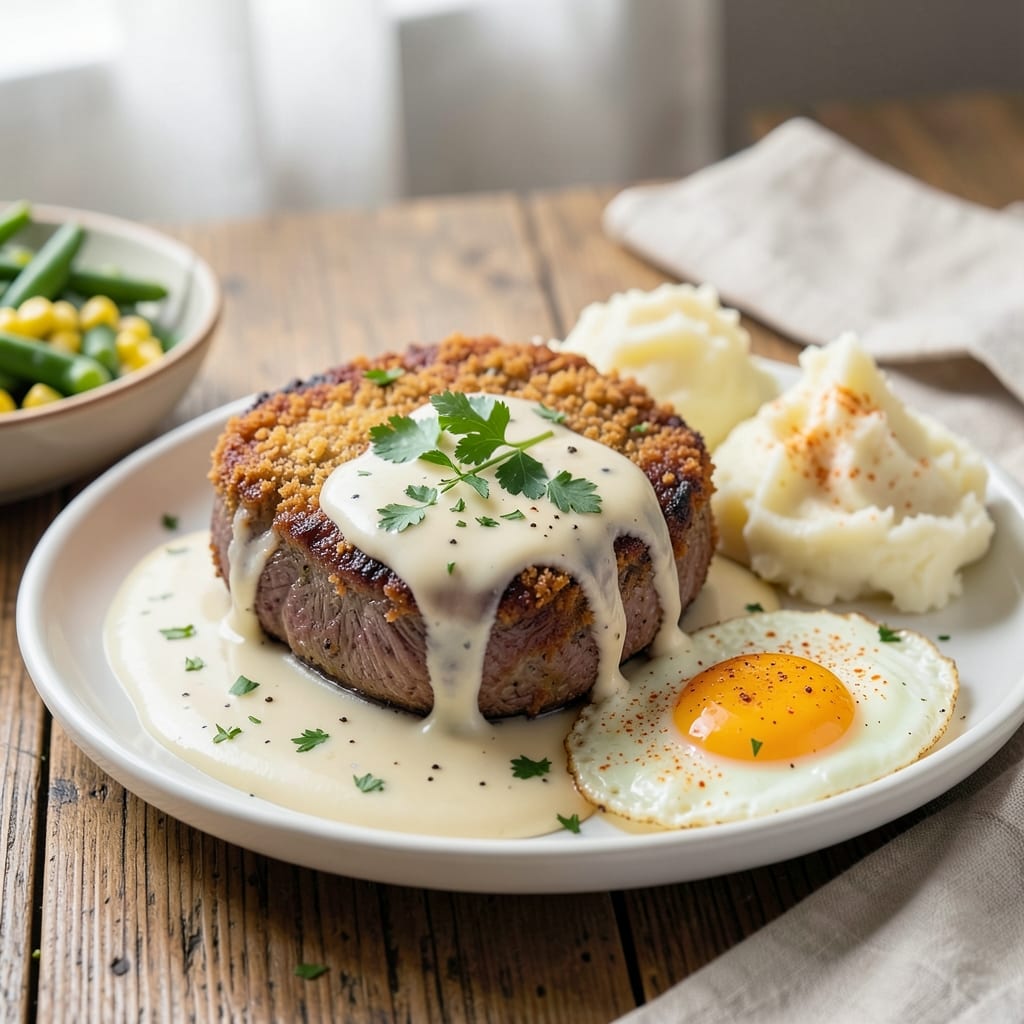
Bob Evans' chicken fried steak recipe delivers the ultimate comfort food experience—tender beef smothered in a golden, buttery crust and rich, velvety gravy. This iconic dish transformed humble beef into an American classic, and I've perfected the technique after years of testing in my own kitchen. The secret lies in properly pounding the steak and using a precise breading ratio to create that signature crispy exterior while keeping the inside fork-tender.
What makes this recipe special is the two-step frying process that ensures perfect doneness every time. First, we sear the beef to develop flavor, then finish cooking in hot oil to achieve that signature crust. The gravy—made from the pan drippings—is where the magic happens, transforming simple ingredients into something restaurant-quality. This method delivers results that rival the original Bob Evans version, right in your home kitchen.
By the time you plate this dish, you'll have a golden-brown steak with crispy edges and tender beef inside, all smothered in a rich, creamy gravy that clings to every bite. The contrast between the crispy crust and tender beef creates a texture that's impossible to resist. Serve with classic sides like fluffy mashed potatoes and buttery green beans for the complete experience.
This recipe scales beautifully for family dinners or gatherings, and the leftovers reheat perfectly. The key to success is patience—properly pounding the steak and allowing the breading to adhere completely. With this method, you'll achieve restaurant-quality results that'll have everyone asking for seconds. Let's get cooking!
Ingredients for bob evans chicken fried steak
The heart of Bob Evans' iconic dish: tender beef, crispy crust, and velvety gravy.
| Ingredient | Amount | Notes |
|---|---|---|
| Top Round Steak 🥩 | 1 ½ lb | 1-inch thick cuts preferred |
| All-Purpose Flour 🌾 | 2 cups | For breading, sifted |
| Large Eggs 🥚 | 2 whole | Room temperature for best adhesion |
| Unsalted Butter 🧈 | ½ cup | Melted for frying |
| Vegetable Oil 🫒 | 2 cups | High smoke point for frying |
| Beef Broth 💧 | 1 cup | Low-sodium preferred |
| Whole Milk 🥛 | ½ cup | Full-fat for creamy gravy |
| All-Purpose Flour 🌾 | ¼ cup | For gravy thickening |
| Salt 🧂 | 1 ½ tsp | Kosher or sea salt |
| Black Pepper 🌶️ | ½ tsp | Freshly ground preferred |
| Garlic Powder 🧄 | 1 tsp | For seasoning |
| Onion Powder 🧅 | 1 tsp | For seasoning |
| Vegetable Oil 🫒 | ½ cup | For finishing fry |
The top round steak is non-negotiable here—it's lean but tender when pounded properly. Look for 1-inch thick cuts at your butcher or grocery store's meat counter. Costco or Whole Foods often carry pre-cut steaks, but if you're buying whole, ask for a center-cut round for best tenderness. Avoid pre-breaded versions; you want full control over the crust. Pound the steak to ¼-inch thickness with a meat mallet—this ensures even cooking and that signature crispy exterior. For extra insurance, let the steak sit at room temperature for 30 minutes before cooking.
No beef broth? Low-sodium chicken broth works in a pinch, but beef is ideal for authentic flavor. The milk in the gravy is crucial—whole milk gives the richest texture, but half-and-half works too if you're avoiding full-fat dairy. For the breading, sift the flour to avoid lumps, and mix the eggs with a splash of water for a smoother coating. If you're short on time, buttermilk can replace whole milk in the gravy, though the texture will be slightly thinner. The vegetable oil for frying should have a high smoke point—avoid olive oil, which burns easily. Keep a thermometer handy to maintain 350°F during frying for that perfect golden crust.
Leftovers reheat beautifully—350°F for 10-15 minutes until warmed through. Store in an airtight container for up to 4 days in the fridge or 3 months frozen. For the gravy, make a double batch—it's even better the next day as the flavors meld. If you're prepping ahead, bread the steaks and refrigerate (uncooked) for up to 24 hours, then fry as directed. The gravy can be made 2 days ahead and reheated gently on the stove. For a restaurant-style presentation, serve with mashed potatoes and green beans—the classic Bob Evans trio.
Why You'll Love This Recipe
- Pantry Magic: I swear by this recipe because it uses what I already have—no fancy ingredients, just flour, eggs, and butter. The top round steak is affordable, and the technique (pounding, dredging, frying) turns it into something restaurant-worthy without the fuss.
- Crispy-Creamy Magic: That first golden crust? Chef’s kiss. The double-dredge in flour and egg batter creates a shatteringly crisp exterior, while the butter-basted inside stays tender and rich. It’s the kind of texture that makes people pause mid-bite.
- Weeknight Superhero: Between us, this is my go-to when I need dinner on the table fast. It feeds four for under $15, reheats beautifully in the oven, and even my picky son asks for seconds. (Yes, even on a Tuesday night.)
- Budget Win: Honestly, this recipe saves me money without sacrificing flavor. A single steak stretches for leftovers, and the simple ingredients mean no wasted groceries. Plus, the fried version feels like a treat—without the restaurant price tag.
Step-by-step instructions for Bob Evans' chicken fried steak
Master the classic technique that delivers tender, golden-brown steak with rich gravy every time.
Prepare the Steak for Breading
Begin by trimming any excess fat from the 1.5 lb top round steak, leaving about ¼-inch thickness. Pound the steak gently between two sheets of plastic wrap using a meat mallet until it reaches an even ½-inch thickness throughout. This ensures even cooking and prevents toughness.
Place the pounded steak between two plates and season both sides generously with 1.5 tsp salt, 0.5 tsp black pepper, 1 tsp garlic powder, and 1 tsp onion powder. Press the seasoning firmly into the meat so it adheres well. Let the seasoned steak rest at room temperature for 15 minutes while you prepare the breading station.
Create the Breading Station
Set up three shallow dishes: one with the 2 cups all-purpose flour mixed with 1 tsp salt, one with the 2 whole large eggs beaten until frothy, and one with the remaining 2 cups vegetable oil for frying. I like to use a wire rack over a baking sheet for the final frying step to ensure crispiness on all sides.
Work quickly through the breading process to maintain even coating. First, dredge the seasoned steak in the flour mixture, shaking off any excess. Then dip it into the beaten eggs, allowing any excess to drip off. Finally, return it to the flour mixture for a final coating. This triple breading creates that signature crunchy crust.
Fry to Golden Perfection
Heat the 2 cups vegetable oil in a large skillet over medium heat until it reaches 350°F. The oil should be hot enough to maintain a gentle sizzle when the breaded steak touches it. Carefully place the breaded steak in the hot oil and fry for 3-4 minutes per side, turning only once, until it reaches an internal temperature of 160°F and the breading is deep golden brown.
During the last minute of frying, reduce the heat slightly to prevent burning while maintaining the crispy crust. Transfer the fried steak to a wire rack set over a baking sheet and tent loosely with aluminum foil to keep it warm while you prepare the gravy.
Make the Creamy Gravy
In the same skillet, reduce the heat to medium-low and add the 0.5 cup melted unsalted butter. Let it melt completely, then whisk in the 0.25 cup all-purpose flour to create a roux. Cook for 1-2 minutes until the mixture turns a light golden color and smells nutty.
Slowly pour in the 1 cup beef broth while whisking constantly to prevent lumps from forming. Bring the mixture to a gentle simmer and cook for 3-4 minutes until it thickens slightly. Remove from heat and stir in the 0.5 cup whole milk. The gravy should be smooth and velvety with a rich, creamy consistency.
Finish and Serve
Slice the fried steak into ½-inch thick cutlets and arrange on a serving platter. Spoon the creamy gravy generously over the top, allowing it to pool around the steak. The gravy should coat the back of a spoon and have a luxurious, velvety texture that complements the crispy crust.
Serve immediately with mashed potatoes or buttered noodles to soak up every last bit of that rich gravy. The combination of tender beef, crispy breading, and velvety gravy makes this classic comfort dish truly unforgettable.
Pro Tips For Making Bob Evans Chicken Fried Steak
- Pound It Thin: I learned this the hard way—skimp on this step, and your steak will stay chewy no matter how long you fry it. Use a meat mallet or rolling pin to flatten each cutlet to ¼-inch thickness (about 10-12 strikes per side). If it’s uneven, trim the edges—this ensures even cooking and that perfect tender bite.
- Salt the Flour Like It’s 1987: My grandmother swore by this, and she was right: Season the flour mixture aggressively—about 1½ teaspoons salt per cup—before dredging. The steak soaks up flavor during the egg dip, but the real payoff is that crispy crust holding onto that savory punch. Skip this, and you’ll wonder why it tastes bland.
- Fry in Batches or Burn Butter: This isn’t the prettiest method, but it’s the tastiest: Use 2-3 inches of oil in a heavy skillet (like cast iron) and keep it at 350°F. If you crowd the pan, the oil temp drops, and you’ll end up with greasy, soggy steaks. Fry 2-3 pieces at a time, and resist the urge to flip too soon—wait for a deep golden crust (about 3 minutes per side).
- Rest Under Foil: I was skeptical until I tried it: After frying, transfer steaks to a wire rack set over a baking sheet, tent loosely with foil, and let rest for 5 minutes. This keeps them warm while the juices redistribute—skip it, and you’ll slice into a sad, dry mess. (Yes, even if you’re impatient like me.)
Best sauces and condiments for this bob evans chicken fried steak
Classic White Gravy
This rich, creamy gravy is the soul of chicken fried steak—made from the pan drippings after frying. Start by scraping up all the browned bits from your skillet with a wooden spoon, then whisk in 0.5 cup melted butter and 0.25 cup flour to form a smooth roux. Cook for 2-3 minutes until golden, then slowly add 1 cup beef broth while whisking constantly. For extra richness, finish with 0.5 cup whole milk—this creates that signature velvety texture. Season lightly with salt and pepper, but trust me, the beef flavor carries the dish. 💛
Spicy Ranch Dip
For a modern twist, serve your chicken fried steak with a homemade spicy ranch dip. Mix 1 cup sour cream with 2 tbsp ranch seasoning, 1 tsp garlic powder, and ½ tsp cayenne pepper for heat. This cool, creamy contrast cuts through the richness beautifully. I like to add 1 chopped green onion for freshness and a touch of hot honey drizzled on top for sweetness. Perfect for dipping or spooning over the steak. 🌶️
Honey Butter Sauce
Sweet and savory come together in this easy honey butter sauce. Melt ½ cup butter in a small saucepan, then whisk in ¼ cup honey and 1 tbsp Dijon mustard. Simmer for 2 minutes until smooth, then finish with a pinch of salt. Drizzle this over the steak or serve on the side for dipping. The honey caramelizes slightly when heated, creating a glossy, sticky glaze that pairs perfectly with the crispy crust. 🍯
Crispy Onion Strings
Add crunch and flavor with homemade onion strings. Thinly slice 2 large yellow onions into rings, then separate into individual strings. Fry in 2 cups vegetable oil at 375°F for 2-3 minutes until golden and crispy. Drain on paper towels and sprinkle with 1 tsp salt. These delicate strings add texture and a sweet, caramelized bite that contrasts the steak's richness. Serve as a garnish or on the side. ✨
Pickled Red Onions
Brighten up your plate with tangy pickled onions. Thinly slice 1 red onion and soak in a mix of ½ cup apple cider vinegar, ½ cup water, 1 tbsp sugar, and 1 tsp salt for at least 30 minutes. The acidity cuts through the richness of the gravy and adds a refreshing crunch. I like to add a pinch of red pepper flakes to the pickling liquid for a subtle kick. 🍎
Buttermilk Biscuits
No chicken fried steak meal is complete without buttermilk biscuits. Use a simple dough of 2 cups flour, 1 tbsp baking powder, 1 tsp salt, ½ cup cold butter, and ¾ cup buttermilk. Roll out to ½-inch thickness, cut into rounds, and bake at 425°F for 12-15 minutes**. Serve warm with extra gravy for dipping. These flaky, buttery biscuits soak up every last bit of that creamy sauce. 🥨
Nutrition facts
Frequently asked questions about Bob Evans chicken fried steak
Can I use a different cut of beef instead of top round?
Top round is ideal for its lean texture, but you can substitute with sirloin tip or bottom round—just pound it extra thin (¼-inch) to prevent toughness. Avoid tender cuts like ribeye or filet mignon; they'll become dry. The key is a lean, flavorful cut that stays tender when breaded and fried.
Why is my breading falling off the steak?
This usually happens when the steak isn't dry enough or the breading process is rushed. Pat the steak completely dry with paper towels before seasoning, and work quickly through the flour-egg-flour sequence. Let the breaded steak rest for 5 minutes before frying to help the coating adhere. Also, don't overcrowd the skillet—fry one piece at a time for even heat distribution.
How do I make the gravy thicker or thinner?
For thicker gravy, whisk in 1 tbsp extra flour with the milk, or simmer uncovered for 1-2 extra minutes. For thinner gravy, stir in 2 tbsp warm milk or broth. The gravy should coat the back of a spoon but still be pourable—this is the perfect consistency.
Can I bake this instead of frying?
While possible, baking won't give you that signature crispy crust. For an oven version, brush the breaded steak with melted butter and bake at 400°F for 25-30 minutes, flipping halfway. The texture will be more cake-like than crispy, but it's a good option for health-conscious versions. For best results, stick with frying for that iconic crunch.
What's the best way to reheat leftovers?
Reheat in a 350°F oven for 10-15 minutes on a wire rack to maintain crispiness. For the gravy, warm it in a saucepan over low heat, stirring constantly. Avoid microwaving—it makes the breading soggy. Pro tip: Make gravy in a double batch and freeze extras for quick reheating later.