
Sauces & Condiments
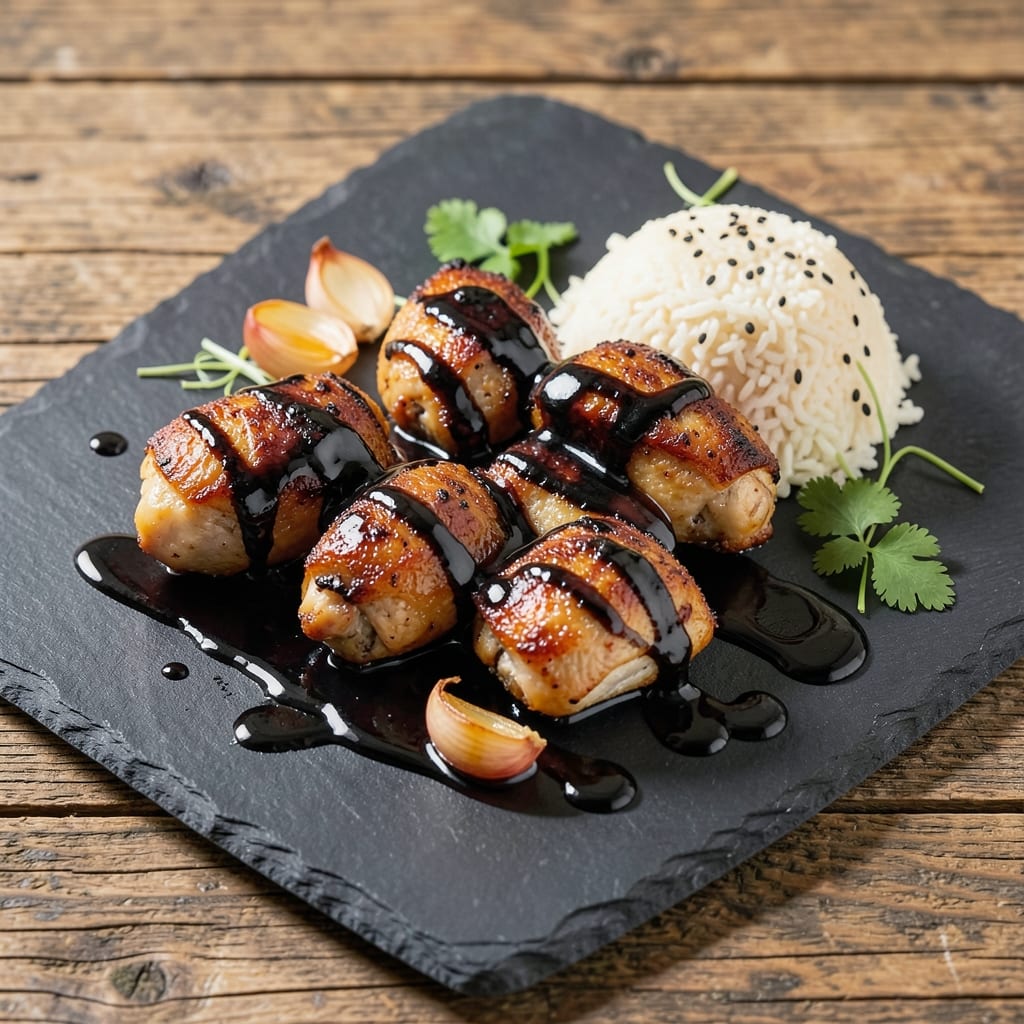
This black sauce chicken recipe delivers restaurant-quality results with a smoky-sweet glaze that clings to every bite like it was made for you. 🔥 The secret lies in balancing fermented black vinegar's tang with caramelized brown sugar, creating a sauce that's both complex and addictive. I developed this technique during my time in Charleston, where I learned how small adjustments in cooking times and ingredient ratios can transform ordinary chicken into something extraordinary.
The process begins with marinating chicken thighs in a blend of black vinegar, soy sauce, and spices, allowing the flavors to penetrate deeply. As the chicken cooks, the marinade reduces into a glossy, sticky glaze that caramelizes beautifully, creating those coveted charred edges. This isn't just another sauce—it's a flavor bomb that turns simple chicken into the centerpiece of any meal.
What you'll end up with is perfectly tender chicken bathed in a glossy, smoky-sweet sauce that's impossible to resist. The texture is where this recipe truly shines: crispy edges on the chicken, tender meat inside, and a sauce that's thick enough to stick but light enough to coat every bite. This is the kind of dish that disappears quickly and leaves everyone asking for seconds.
Serve it over steamed jasmine rice to soak up every last bit of that delicious sauce, or pair it with roasted vegetables for a complete meal. The versatility is one of its best features—it works as a main course for dinner, a lunchbox staple, or even a showstopper for gatherings. Let's get cooking!
Ingredients for black sauce chicken
Here's what transforms ordinary chicken into restaurant-worthy black sauce perfection.
| Ingredient | Amount | Notes |
|---|---|---|
| Boneless, Skinless Chicken Thighs 🍗 | 1 ½ lb | Cut into even-sized pieces |
| Black Vinegar 🍶 | ½ cup | Fermented for authentic tang |
| Light Soy Sauce 🥫 | ⅓ cup | Kikkoman preferred for balance |
| Brown Sugar 🍯 | ½ cup | Dark variety for molasses depth |
| Garlic Cloves 🧄 | 6 cloves | Minced for even distribution |
| Fresh Ginger 🌿 | 1 tbsp | Grated, aromatic kick |
| Sesame Oil 🫒 | 1 tbsp | Toasted for nutty aroma |
| Cornstarch 🌾 | 1 tbsp | For sauce thickening |
| Vegetable Oil 🫒 | 2 tbsp | High smoke point for searing |
| Red Chili Flakes 🌶️ | ½ tbsp | Adjust for heat preference |
| Salt 🧂 | 1 tsp | Diamond Crystal preferred |
| Black Pepper 🌶️ | ½ tsp | Freshly cracked for heat |
| Jasmine Rice 🍚 | 1 ½ cups | Uncooked, for serving |
That black vinegar is non-negotiable for the signature tang—look for it in the Asian aisle at Trader Joe's or H Mart. If you can't find it, balsamic vinegar with a pinch of molasses gets you close, but it won't be quite the same. For the chicken, thighs stay juicier than breasts during the long cook. Buy bone-in if possible—the bone adds flavor and helps keep the meat moist. Kikkoman soy sauce is my go-to, but any light soy works. The ginger needs to be fresh—dried just won't cut it here. If you're short on time, pre-minced ginger from a jar works in a pinch, but fresh is always better.
No black vinegar? Substitute 1/4 cup balsamic vinegar plus 1 tbsp molasses. Running low on brown sugar? White sugar works, but reduce by 1/4 cup to avoid over-sweetness. The cornstarch is key for that glossy finish—arrowroot powder works too. For extra smokiness, swap half the sesame oil for toasted sesame oil. Want more heat? Add 1 tsp gochujang to the marinade. The rice? Jasmine is ideal, but basmati or even sushi rice will work. Just don't skip steaming it—dry rice ruins the sauce absorption.
This sauce gets better the second day, so make extra. Store leftovers in the fridge for up to 5 days, or freeze for 3 months. The chicken reheats beautifully—just warm it gently in a saucepan with a splash of water. For meal prep, portion the sauce separately so you can drizzle it fresh each time. The rice? Cook it fresh the day you serve—it's not worth reheating for this dish.
Why You'll Love This Recipe
- One-Pot Magic: I swear by this recipe—just toss the chicken thighs, minced garlic, and a splash of black vinegar into a single pan. No chopping, no fuss, and the sauce thickens right there while you’re scrolling through your phone.
- Sweet-Savory Bang: That balance of sticky brown sugar and tangy black vinegar? It’s like a flavor explosion in your mouth. The soy sauce ties it all together, leaving you wanting seconds (or thirds).
- Lunchbox Hero: Between us, this keeps perfectly for days—pack it in bento boxes or reheat for a quick dinner. The thighs stay juicy, and the sauce clings like a dream, even after sitting overnight.
- Budget Win: Chicken thighs are cheap, and you’re using pantry staples. Honestly, I’ve made this for $1.50 per serving, and it still feels like a restaurant meal. Plus, leftovers mean less takeout guilt.
Step-by-step instructions for black sauce chicken
Here's how to create that irresistible sticky glaze that clings perfectly to every bite.
🍳 Step 1: Marinate the Chicken for Maximum Flavor
Cut the 1.5 lb boneless, skinless chicken thighs into even-sized pieces about 1-inch thick. In a large bowl, combine the 0.5 cup black vinegar, 0.33 cup light soy sauce, 0.5 cup brown sugar, 6 minced garlic cloves, 1 tbsp grated fresh ginger, 0.5 tbsp red chili flakes, 1 tsp salt, and 0.5 tsp black pepper. Mix well until the sugar dissolves completely.
Add the chicken pieces to the marinade, making sure each piece is fully coated. Cover the bowl and refrigerate for at least 30 minutes (I like to marinate for 2 hours if time allows). This step ensures the chicken absorbs all those smoky-sweet flavors and stays incredibly tender. You'll notice the marinade becomes more concentrated as the chicken soaks it up.
🔥 Step 2: Sear the Chicken Until Golden Brown
Heat 2 tbsp vegetable oil in a large skillet over medium-high heat until shimmering. Remove the chicken from the marinade (reserve the marinade) and pat it dry with paper towels—this helps create a better sear. Working in batches if needed, add the chicken to the skillet and cook for 4-5 minutes per side until golden brown and cooked through to 165°F internally.
Don't overcrowd the pan or the chicken will steam instead of sear. You want that beautiful caramelized crust that forms the base for the sticky glaze. Transfer the seared chicken to a plate and set aside—it'll stay warm while you build the sauce.
🍳 Step 3: Build the Signature Black Sauce
In the same skillet (no need to clean it—those browned bits are flavor gold), reduce the heat to medium. Add 1 tbsp sesame oil and pour in the reserved marinade. Bring to a simmer and let it cook uncovered for 5-6 minutes until it reduces by about half and thickens slightly.
Stir in 1 tbsp cornstarch mixed with 1 tablespoon water to help thicken the sauce further. Keep stirring constantly for another 2-3 minutes until the sauce becomes glossy and coats the back of a spoon. The sauce should be thick enough to cling to the chicken but still flow smoothly. Taste and adjust seasoning if needed—you might want to add a splash more soy sauce for balance or more chili flakes for heat.
🥘 Step 4: Glaze and Finish the Chicken
Return the seared chicken to the skillet and spoon the black sauce generously over the top. Cover the skillet and let it cook on low heat for 3-4 minutes, spooning the sauce over the chicken occasionally. This steaming step ensures the sauce clings perfectly to every surface, creating that signature sticky glaze.
For best results, serve immediately over 1.5 cups cooked jasmine rice. The contrast of the fragrant rice with the smoky-sweet chicken creates a perfect balance. The glaze should be thick enough to hold its shape when spooned but still glossy and tempting. Each bite should deliver that perfect combination of sweet, tangy, and slightly spicy flavors.
Pro Tips For Making Black Sauce Chicken
- Sear First, Simmer Slow: Hit the chicken thighs with a quick sear in a hot pan—no oil needed, just the natural fat—until they’re golden on both sides. Then drop the heat to medium-low and let that sauce cling properly; rushing the simmer just makes it watery. I used to skip this, and the sauce always ended up swimming instead of sticking.
- Mince Garlic Like You Mean It: Don’t just chop those garlic cloves—smash them with the flat side of your knife first, then mince into a fine paste. This dissolves better into the sauce and prevents bitter chunks lurking in every bite. (Yes, even if you’re impatient like me.)
- Balance the Vinegar: Black vinegar’s tangy punch needs taming—start with 2 tablespoons, taste, then adjust. Too much and your dish turns sour; too little and the sweet-savory balance feels flat. My grandmother swore by this ratio, and she was right: the sauce should taste like a hug, not a slap.
- Deglaze Aggressively: After searing the chicken, splash in the black vinegar and soy sauce immediately—scrape up every browned bit from the pan with a wooden spoon. That crust holds flavor, and skipping it means losing half the depth. (Pro tip: Use a splash of water if the sauce sticks too much—it’ll still caramelize.)
Serving suggestions for this black sauce chicken
Rice Pairings
Steamed jasmine rice is my go-to pairing—its delicate floral aroma complements the sauce's smoky depth without overpowering it. Cook 1.5 cups uncooked rice with 2 cups water and a pinch of salt, then steam until tender. For extra flair, sprinkle toasted sesame seeds on top before serving. 🍚
If you prefer heartier textures, try brown rice or forbidden black rice. The nutty earthiness of brown rice balances the sauce's sweetness, while black rice adds a striking visual contrast. For a quicker option, microwaveable jasmine rice works in a pinch—just add 1 tbsp extra water to prevent drying.
Vegetable Sides
Crisp stir-fried bok choy with garlic and ginger adds a fresh, peppery bite that cuts through the richness. Sauté 2 cups baby bok choy in 1 tbsp sesame oil for 3-4 minutes until wilted but still vibrant. Finish with a squeeze of lime for brightness. 🥬
Roasted broccolini with chili flakes brings a smoky crunch that mirrors the sauce's heat. Toss 1 bunch broccolini in 1 tbsp olive oil, ½ tsp red pepper flakes, and ½ tsp salt, then roast at 425°F for 12-15 minutes until caramelized. The charred edges echo the chicken's sear beautifully.
Crunchy Garnishes
Top with crispy fried shallots for a textural contrast that elevates every bite. I like to pan-fry ¼ cup thinly sliced shallots in 2 tbsp neutral oil until golden and remove them with a slotted spoon. Their sharp, sweet crunch balances the sauce's stickiness perfectly. 🌟
For a fresher option, scatter thinly sliced scallions and cilantro leaves over the dish just before serving. The raw onion and herb notes refresh the palate between rich bites. If you're feeling fancy, add pickled ginger slices for a tangy, spicy kick that mirrors the black vinegar's depth.
Sauce Variations
For a spicier version, add 1 tbsp gochujang or 1 tsp sriracha to the finished sauce. The fermented heat deepens the umami, creating a sauce that's both complex and addictive. I often serve this version with cooling cucumber salad to balance the heat. 🌶️
Want a sweeter glaze? Increase the brown sugar to ⅔ cup and add 1 tbsp honey to the marinade. This works beautifully with sticky rice or congee for a comforting, dessert-like finish. The extra sweetness pairs well with mandarin orange segments for a citrusy twist.
Presentation Tips
Serve the chicken over rice in a wide, shallow bowl to showcase the glaze's glossy sheen. Drizzle extra sauce around the edges for visual appeal, and garnish with sesame seeds or chili oil for a pop of color. For a restaurant-style presentation, arrange the chicken pieces in a circular pattern on top of the rice. 💫
If you're serving a crowd, use individual ramekins—place a scoop of rice in each, top with a chicken piece, and spoon sauce generously over the top. This keeps portions neat and makes it easy for guests to enjoy the sauce without overloading their plates. For a modern twist, serve the sauce on the side in small ceramic dipping bowls** so everyone can customize their heat level.
Nutrition facts
Frequently asked questions
Can I use chicken breasts instead of thighs?
The recipe calls for thighs because they stay juicier during the long cooking process. Chicken breasts can dry out when exposed to high heat and sauce reduction. If you must use breasts, pound them to even thickness and cook them for 2-3 minutes less per side to avoid overcooking. For best results, marinate for 4-6 hours instead of the minimum 30 minutes to help retain moisture.
What's the best way to store leftovers?
Store the chicken and sauce separately in airtight containers in the fridge for up to 4 days. The sauce actually improves overnight as flavors meld! To reheat, warm in a saucepan over low heat with a splash of water until bubbly. For longer storage, freeze for up to 3 months—thaw overnight in the fridge before reheating. The texture stays best if you reheat gently to avoid drying out.
Why did my sauce turn out too thin? This usually happens if you didn't reduce the sauce long enough or skipped the cornstarch. The sauce should coat the back of a spoon when finished. For a quick fix, mix 1 tsp cornstarch with 1 tbsp water and stir it into the simmering sauce until thickened. If it's still too thin, reduce it uncovered on medium-high heat for an extra 2-3 minutes, stirring constantly.
Can I make this recipe in a slow cooker?
After searing the chicken, transfer it to a slow cooker with the sauce and cook on low for 2-3 hours or high for 1-1.5 hours. The sauce will thicken naturally from the slow cooking. For extra richness, add 1 tbsp butter at the end. Just be careful not to overcook—chicken continues cooking even after removing from heat, so check for 165°F before serving.
What's the secret to getting that perfect sticky glaze?
The key is patience and proper timing! First, make sure your chicken is fully seared before adding sauce. Then, when you return the chicken to the pan with the sauce, cover it and let it steam for 3-4 minutes on low heat. This creates condensation that helps the sauce cling. Also, don't rush the sauce reduction—it needs 5-6 minutes of simmering to develop proper thickness. The cornstarch is your friend here too!