
Main Courses
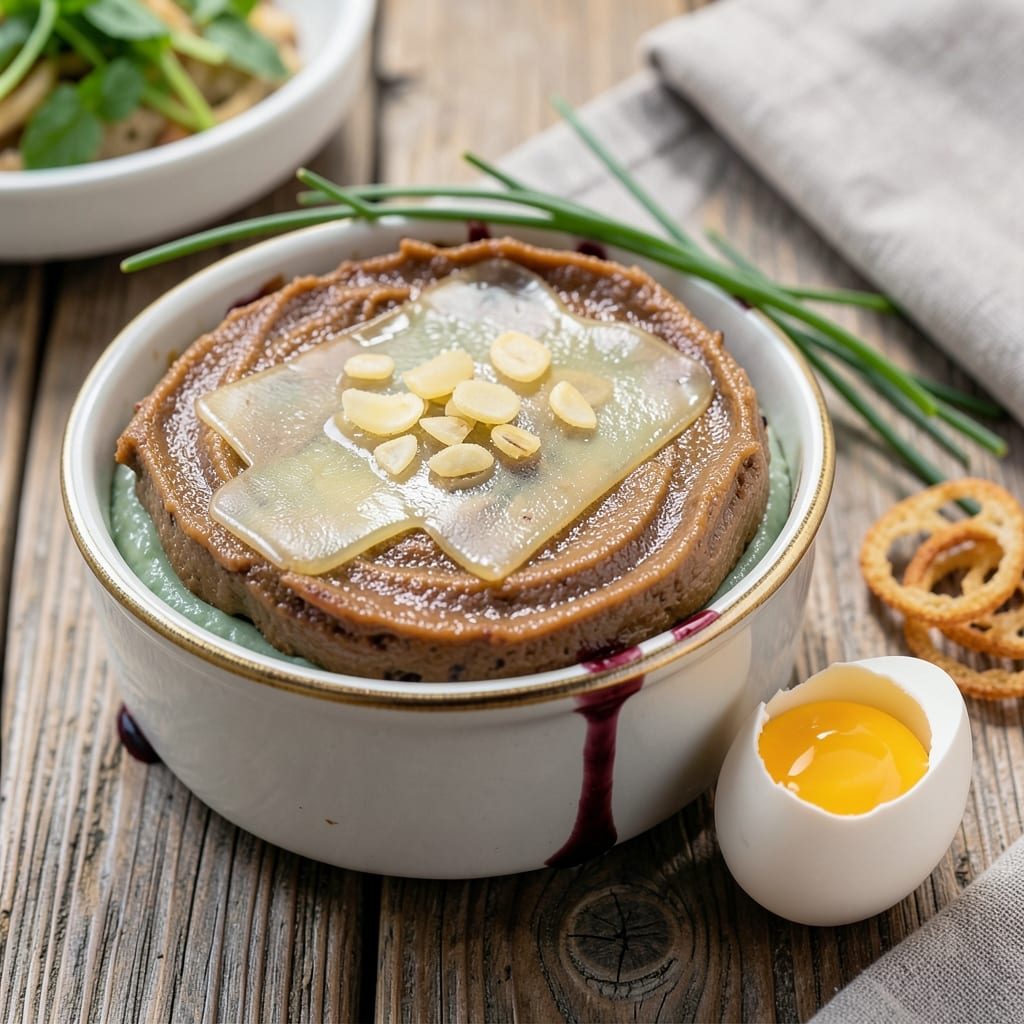
This baked chicken liver pâté transforms humble livers into a velvety masterpiece with golden crust and silky yolk streaks. 🌟 I first discovered this recipe when my grandmother made it for Sunday suppers—her secret was slow baking and a celery crust that added just the right crunch. The rich, earthy flavor of chicken liver pairs perfectly with the delicate sweetness of celery and the richness of eggs, creating a dish that feels both elegant and comforting.
The key to success lies in proper preparation—soaking the livers to remove any bitterness and blending them with fat and seasonings until perfectly smooth. Baking at a low temperature ensures the pâté sets beautifully while maintaining its luxurious texture. This recipe delivers restaurant-quality results without requiring advanced techniques, making it perfect for special occasions or an impressive weeknight dinner.
What makes this pâté truly special is the contrast between the crispy celery crust and the tender, creamy interior. The yolk streaks that form during baking add a luxurious touch, while the balance of herbs and spices creates depth of flavor. It’s the kind of dish that makes you feel like you’ve stepped into a classic French bistro, right in your own kitchen.
Serve this pâté with crusty bread for dipping or alongside roasted vegetables for a complete meal. The leftovers keep well in the refrigerator, making it an excellent make-ahead option for gatherings. Here’s how to create this timeless classic in your own kitchen.
Ingredients for baked chicken liver pate
Celery's crunch meets liver's richness in this velvety pâté with golden crust and yolk streaks.
| Ingredient | Amount | Notes |
|---|---|---|
| Chicken Livers 🍗 | 1 lb | Fresh, trimmed of connective tissue |
| Large Egg Yolks 🥚 | 4 whole | Freshly separated from whites |
| Unsalted Butter 🧈 | ½ cup | Cold, cubed for crust |
| Celery Stalks 🧅 | 1 cup | Finely chopped, fresh |
| Shallots 🧅 | 2 whole | Minced, for depth of flavor |
| Garlic Cloves 🧄 | 3 cloves | Minced, aromatic base |
| Fresh Parsley 🌿 | ¼ cup | Chopped, bright finish |
| Fresh Thyme Leaves 🌿 | ¼ tsp | Finely chopped, earthy note |
| Dijon Mustard 🍯 | 1 tbsp | For tangy balance |
| Dry White Wine 🍷 | ¼ cup | For deglazing, dry variety |
| Heavy Cream 🥛 | ¼ cup | For silky texture |
| Salt 🧂 | 1 tsp | Kosher or sea salt |
| Ground Black Pepper 🌶️ | ½ tsp | Freshly ground for heat |
| All-Purpose Flour 🌾 | 1 tbsp | For binding crust |
Chicken livers need proper prep—soak them in milk for 30 minutes to remove bitterness (trust me, it works). Butcher sections often have the best quality, but grocery store livers work too if they're bright red and fresh. My grandmother swore by Whole Foods for their consistent quality, but any reputable butcher will do. For the celery, look for stalks that are crisp and pale green—avoid the yellowing ones. The shallots and garlic? Fresh is non-negotiable—jarred minced garlic lacks that fresh punch.
No fresh parsley? Dried works at half the amount, but it won't have the same bright finish. Short on wine? Chicken broth with a splash of lemon juice gets you close. The Dijon mustard is key—don't skip it. For the crust, if you're out of butter, cold olive oil works in a pinch, though the flavor will differ slightly. The heavy cream can be swapped for half-and-half if you're watching calories, but it'll be less rich. And if you're feeling fancy, add a pinch of nutmeg to the crust mix for warmth.
This pâté tastes even better the next day as flavors meld. Store it in an airtight container in the fridge for up to 5 days. For serving, let it sit at room temperature for 15-20 minutes—the contrast between the warm pâté and cool crust is magical. I always make a double batch because it disappears fast. The crust keeps for 2 days separately if you want to prep ahead, but I recommend making it fresh for maximum crunch.
Why You'll Love This Recipe
- Foolproof Ingredients: I swear by this combo—chicken livers and egg yolks alone make it rich, but the butter and shallots? They turn it into something luxe without fuss. No fancy ratios, no guesswork: just measure, mix, bake.
- Crowd-Pleasing Richness: That creamy, buttery texture with a hint of celery’s fresh bite? It’s the kind of dish that disappears fast—even from people who claim they “don’t like liver.” Honestly, the yolks smooth out any bitterness.
- Weeknight or Holiday: Slap it on crusty bread for a quick lunch or serve it chilled on crackers at a dinner party. Same recipe, zero extra work. I’ve used it for game-day snacks, potlucks, and lazy Sundays—it’s that adaptable.
- Budget Luxury: Chicken livers are cheap protein, but this tastes like a gourmet spread. A pound goes a long way, and leftovers? Perfect for toast the next morning. My wallet and taste buds win every time.
Step-by-step instructions for celery-crusted chicken liver pâté
Transforming rich chicken livers into velvety pâté with golden crust is easier than you think.
🍳 Step 1: Sauté the Aromatic Base
Heat the 0.5 cup unsalted butter in a large skillet over medium heat until melted and foaming. Add the 1 cup finely chopped celery stalks, 2 minced shallots, and 3 minced garlic cloves. Cook for 8-10 minutes until the vegetables soften and the butter takes on a nutty aroma.
Here's the thing—don't rush this step. You want the vegetables to become almost translucent and release their flavors. Stir occasionally so nothing sticks to the bottom. If the butter starts to brown too quickly, reduce the heat slightly. You're building the flavor foundation for your pâté.
👨🍳 Step 2: Prepare the Chicken Livers
While the vegetables cook, rinse the 1 lb chicken livers under cold water and pat them completely dry with paper towels. This step is crucial—any moisture will steam the livers instead of searing them. Trim off any connective tissue or silver skin using a sharp knife.
Once your vegetable mixture is ready, add the chicken livers to the skillet in a single layer. Cook over medium-high heat for 3-4 minutes per side until they're browned and cooked through. They should reach an internal temperature of 145°F. Remove them from the pan and set aside to cool slightly.
🥘 Step 3: Create the Crust Mixture
In a food processor, combine the cooked and cooled chicken livers with the 4 whole egg yolks, 1 tbsp Dijon mustard, 1 tsp salt, and 0.5 tsp ground black pepper. Pulse until the mixture is smooth but still slightly textured. This is where the magic happens—the yolks will create that signature silky texture.
Transfer the mixture to a bowl and gently fold in the 0.25 cup heavy cream. Then, in a separate small bowl, mix the 1 tbsp all-purpose flour with the 0.25 cup chopped fresh parsley and 0.25 tsp chopped fresh thyme leaves to create your crust. This herb mixture will add freshness and help create that beautiful crust on top.
🔥 Step 4: Bake the Pâté
Preheat your oven to 350°F. Spoon the liver mixture into a 4-inch round baking dish or ramekin, smoothing the top. Sprinkle the flour-herb mixture evenly over the top, pressing it down gently with your fingers. This crust will give your pâté that beautiful golden finish.
Bake for 25-30 minutes until the center is just set but still slightly wobbly when gently shaken. The top should be golden brown and crisp. If it browns too quickly, tent the dish with foil. The pâté needs to be firm enough to hold its shape when inverted but still creamy inside.
⏰ Step 5: Rest and Serve
Remove the pâté from the oven and let it rest at room temperature for 15-20 minutes. This resting period allows the flavors to meld and the texture to set properly. When you're ready to serve, run a small knife around the edge to loosen it from the dish.
Invert the pâté onto a serving plate, gently tapping the bottom to release it. The crust should stay intact while the rich, velvety liver mixture oozes out slightly. Serve with crusty bread or crackers, and watch as it becomes the star of your meal. The contrast of the crispy crust and silky interior is what makes this pâté truly special.
Pro Tips For Making Baked Chicken Liver Pate
- Chill the Livers First: I learned this the hard way—skipping this step means bloody, bitter pâte. Rinse the livers, pat them very dry, then refrigerate uncovered for 30 minutes. The blood drains out, and the texture becomes silky. Trust me, your taste buds will notice the difference.
- Sweat Shallots Low and Slow: High heat turns shallots to mush—don’t do it. Cook them over medium-low with the celery until they’re translucent and just starting to caramelize, about 8-10 minutes. This builds flavor without burning, and the pâte won’t taste like raw onion. (Yes, even if you’re impatient like me.)
- Use Room-Temp Yolks: Cold yolks break when they hit the hot butter, and that’s a mess. Take them out of the fridge 30 minutes before mixing—no fancy gadgets needed. Warm yolks blend smoother, and the pâte stays rich instead of separating. (Your future self will thank you.)
- Bake Until Set, Not Dry: Overbaking turns pâte into rubber. Fill the ramekins, dot with butter, then bake at 350°F (175°C) until the center is just set—about 25-30 minutes. It should jiggle slightly when shaken. If it’s golden but still wobbly, it’s perfect. If it’s firm, you’ve gone too far.
Creative variations of this dish
Herb-Infused Twist
Swap the parsley and thyme crust for fresh rosemary and sage—about 1 tbsp each—for an earthy, piney aroma. The rosemary adds a bright, resinous note that pairs beautifully with the liver's richness. I find this works especially well when serving with roasted root vegetables like carrots and parsnips. 🌿
Spicy Kick Variation
Add ½ tsp smoked paprika and ¼ tsp cayenne pepper to the liver mixture for a subtle smoky heat. For an extra punch, fold in 1 tbsp chopped fresh chili flakes into the crust. This version is perfect for spice lovers and pairs wonderfully with a cooling cucumber salad. 🌶️
Creamy Garlic Version
Increase the garlic to 4 cloves and add 1 tbsp minced fresh tarragon to the crust. The tarragon brings a unique anise-like flavor that complements the garlic beautifully. This variation is a crowd-pleaser and works especially well when served with crusty sourdough bread. 🧄
Sweet & Savory Glaze
Brush the top of the pâté with a mix of 1 tbsp honey and 1 tsp soy sauce before baking. This sweet-savory glaze adds a caramelized crust that balances the richness of the liver. The honey also helps create a beautiful golden finish. This twist is perfect for those who enjoy a touch of sweetness in their savory dishes. 🍯
Cheesy Crust Option
Replace the flour crust with a mix of ¼ cup grated Gruyère cheese and 2 tbsp chopped walnuts. The Gruyère adds a nutty depth while the walnuts provide a delightful crunch. This version is especially good for those who love a cheesy twist on classic flavors. 🧀
Make-Ahead Adaptations
For a make-ahead option, prepare the pâté mixture and crust separately, then assemble and bake just before serving. Store the components in airtight containers in the refrigerator for up to 2 days. This way, you can enjoy a fresh, restaurant-quality pâté without the last-minute stress. Perfect for dinner parties or special occasions! ⏰
Nutrition facts
Frequently asked questions
Why do I need to soak chicken livers in milk?
Soaking the livers in milk for 30 minutes removes bitterness and cleanses them of any blood or impurities. The milk gently breaks down the natural enzymes that can make the flavor harsh. This step is especially important if your livers aren't ultra-fresh from the butcher. My grandmother always said, "Milk is the secret to silky pâté!"
Can I use beef or pork livers instead of chicken?
but the flavor and texture will differ. Beef livers are richer and gamey, while pork livers are milder but can become greasy if not handled properly. For chicken liver pâté, the delicate flavor pairs perfectly with the celery crust. If using beef or pork, reduce the soaking time to 15 minutes—they're less bitter than chicken livers.
What if my pâté cracks or doesn't hold its shape?
Cracking usually means the pâté was overbaked or didn't rest long enough. Remove it from the oven when the center is just set (it should wobble slightly). Let it rest for the full 15-20 minutes before serving. For extra insurance, chill the baked pâté in the fridge for 10 minutes before inverting—this helps it hold together better.
How do I store leftovers safely?
Transfer any uneaten pâté to an airtight container and refrigerate for up to 5 days. For longer storage, freeze it in portions for up to 3 months. Thaw overnight in the fridge—never at room temperature. The crust will soften slightly when reheated, but the interior remains creamy. Reheat gently in a 350°F oven for 10 minutes to restore texture.
What's the best way to serve this pâté?
Slice it into ½-inch thick rounds and serve with crusty bread, crackers, or sliced baguette for dipping. For a complete meal, pair it with roasted potatoes, a simple green salad, or steamed asparagus. The contrast of warm pâté with cool vegetables makes every bite feel special. My grandmother always served it with a glass of dry white wine!