
Soups & Stews
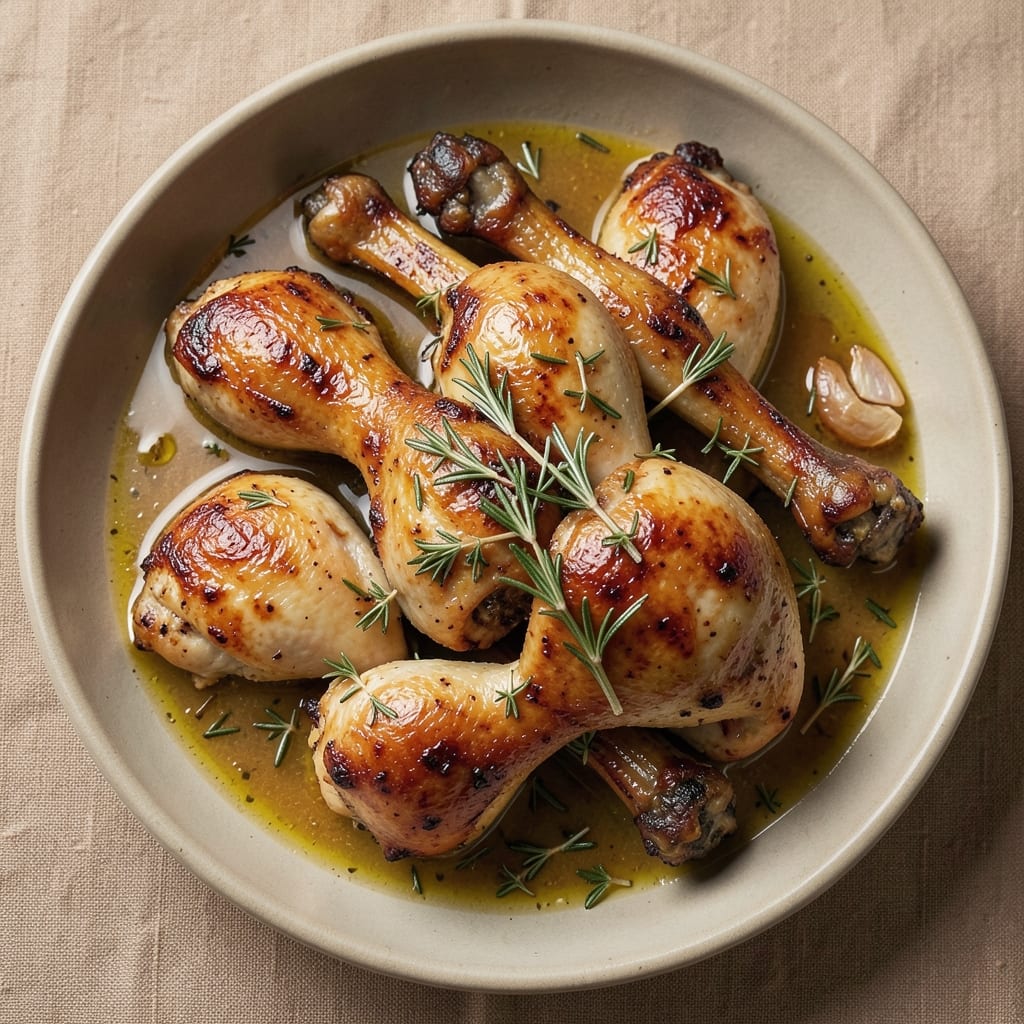
This baked chicken in broth recipe transforms simple chicken pieces into melt-in-your-mouth perfection through gentle poaching in flavorful broth. The secret lies in slow cooking at a precise temperature, allowing the chicken to absorb aromatic herbs and tenderize completely without drying out. I developed this method during a particularly busy week when I needed a hands-off approach that still delivered restaurant-quality results.
The process is straightforward: begin by creating a rich, herbed broth that forms the foundation of the dish. Chicken thighs and drumsticks—naturally more flavorful and forgiving than breasts—simmer gently in this liquid until they reach an internal temperature of 165°F. The broth infuses the meat with deep, savory notes while keeping it impossibly moist. This technique works equally well with store-bought or homemade broth, giving you flexibility without sacrificing quality.
What you'll end up with is chicken that's so tender it practically falls apart at the touch, bathed in a fragrant, slightly reduced broth that's perfect for serving directly over rice or as a standalone dish. The skin remains crisp if you use thighs, while the meat stays juicy and flavorful throughout. This method is ideal for meal prep—just reheat the chicken and broth together to maintain that perfect texture.
Serve with steamed vegetables or crusty bread to soak up every last drop of that aromatic broth. The beauty of this recipe lies in its versatility: use it for a comforting weeknight dinner, prepare it ahead for busy schedules, or even turn it into a hearty soup by shredding the chicken. Here's how to achieve perfectly tender, juicy chicken every time.
Ingredients for baked chicken in broth
Herbs, broth, and bone-in chicken—this trio creates melt-in-your-mouth perfection with minimal effort.
| Ingredient | Amount | Notes |
|---|---|---|
| Chicken Thighs, Bone-In 🍗 | 1 ½ lb | Skin-on for crispiness, drumsticks included |
| Chicken Drumsticks, Bone-In 🍗 | 8 pieces | Skin-on preferred for texture |
| Chicken Broth 🥫 | 3 cups | Homemade or low-sodium store-bought |
| White Wine 🍷 | ½ cup | Dry variety, optional but recommended |
| Fresh Thyme 🌿 | ¼ cup | Stems removed, chopped |
| Fresh Rosemary 🌿 | ¼ cup | Needles chopped, stems discarded |
| Garlic Cloves 🧄 | 6 cloves | Smashed, skin-on for deeper flavor |
| Olive Oil 🫒 | 2 tbsp | Extra-virgin for richness |
| Salt 🧂 | 1 ½ tsp | Diamond Crystal kosher salt |
| Black Peppercorns 🌶️ | ½ tsp | Freshly cracked, coarse grind |
| Bay Leaves 🍃 | 2 whole | Dried, standard size |
| Lemon Juice 🍋 | 1 tbsp | Freshly squeezed, bright flavor |
| Fresh Parsley 🌿 | ⅛ cup | Chopped, for garnish and finishing |
The chicken pieces are non-negotiable—bone-in, skin-on thighs and drumsticks deliver the best texture. Look for plump, firm pieces with minimal bruising at Costco or your local butcher; they're often cheaper per pound than pre-cut grocery store options. Fresh herbs make all the difference here, so grab them from the produce section (not the plastic-wrapped bins)—Whole Foods or local markets have the freshest thyme and rosemary. If you're using dried herbs, cut the amount in half, but honestly, fresh is worth the extra minute of chopping. The broth? Homemade is ideal, but Pacific Foods or Swanson low-sodium versions work in a pinch—just skip the salt in the recipe if you're using flavored broth.
No white wine? Substitute extra chicken broth—just reduce it by half first to mimic the wine's depth. Fresh herbs not an option? Dried thyme and rosemary at half the amount will get you close, but the flavor won't be as vibrant. For garlic, smashing the cloves instead of mincing releases more flavor—no food processor needed. The olive oil should be extra-virgin (not light or refined)—it adds richness that regular vegetable oil can't match. And if you're prepping ahead, par-cook the chicken in the broth for 20 minutes before baking to jumpstart the tenderness. The lemon juice is the secret weapon for brightness—don't skip it, even if you're not a fan of citrus in savory dishes.
This dish reheats like a dream—just pop it in a 350°F oven for 15 minutes with a splash of broth to revive the moisture. The broth reduces beautifully, so make extra if you're serving it as a sauce. Store chicken and broth separately in airtight containers for up to 4 days in the fridge, or freeze for 3 months. For meal prep, portion the chicken into single servings and freeze the broth in ice cube trays—perfect for quick flavor boosts later. The herbs? Wash and dry them thoroughly, then store in a sealed container with a paper towel to absorb moisture. Keeps fresh for 5 days in the fridge.
Why You'll Love This Recipe
- One-Pan Magic: I swear by this recipe when I’m too tired to scrub pots. Toss the bone-in thighs and drumsticks straight onto a sheet pan with broth and wine, add thyme sprigs, and let the oven do the work. Minimal chopping, zero fuss—just rich, flavorful chicken that practically falls off the bone.
- Broth So Good: That first sip of the reduced broth after baking? It’s like a little hug in a bowl. The wine cuts through the richness while the thyme and bone-in chicken infuse the liquid with depth—perfect for dipping crusty bread or reheating later. Honestly, I’ve made it just for the broth alone.
- Leftovers That Shine: This dish tastes even better the second day, especially when I repurpose the chicken into grain bowls or wraps. The broth thickens into a glossy sauce, and the meat stays juicy—no sad, dry reheats here. I’ll be real: I often make double just to have leftovers for lunch.
- Budget-Friendly Feast: Bone-in chicken and broth stretch every dollar without sacrificing quality. A few drumsticks and thighs feed four for under $15, and the wine adds sophistication without breaking the bank. It’s my go-to for casual dinners with friends or when I need to impress without stressing the grocery budget.
Step-by-step instructions for herbed broth poached chicken
This method delivers melt-in-your-mouth tenderness with crispy skin—no dry chicken here.
Prep the Chicken and Herbs
Pat the 1.5 lb chicken thighs and 8 pieces drumsticks completely dry with paper towels—this ensures maximum crispiness. I press firmly, especially under the skin where moisture tends to hide. In a small bowl, combine 0.25 cup chopped fresh thyme, 0.25 cup chopped fresh rosemary, 1.5 tsp salt, and 0.5 tsp cracked black peppercorns. Rub this mixture all over the chicken, pressing it into the skin and crevices. The herbs will infuse the broth with their aromatic oils.
While the chicken rests, smash the 6 garlic cloves with the flat side of your knife—this releases their flavor without burning. Place them in a single layer on a small plate. The skin-on pieces are crucial here; they'll crisp beautifully while the meat stays impossibly tender.
Build the Poaching Broth
In a large Dutch oven or deep skillet, heat 2 tbsp olive oil over medium heat until shimmering. Add the garlic and cook for 30 seconds**—just until fragrant, not browned. Immediately pour in 3 cups chicken broth and 0.5 cup white wine, scraping up any browned bits from the bottom with a wooden spoon. This step captures all the flavor that would otherwise burn.
Add the 2 whole bay leaves and bring the liquid to a gentle simmer. You'll see small bubbles breaking the surface, but it shouldn't be rolling—we're poaching, not boiling. If it gets too vigorous, reduce the heat slightly. The broth should smell rich and herby, like a forest after rain.
Poach the Chicken Low and Slow
Carefully place the seasoned chicken into the simmering broth, skin-side up. The liquid should come about halfway up the chicken pieces. If needed, add a splash of water to reach this level—just enough to cover half the meat. Bring back to a gentle simmer, then reduce heat to maintain 180-190°F—this is the magic temperature range for tender chicken without drying it out.
Cover the pot with a tight-fitting lid and poach for 45-50 minutes, turning the chicken pieces halfway through. You'll know it's done when the meat pulls away from the bone with just a gentle tug and the juices run clear. The skin should be golden and crispy, while the meat remains moist and tender. If you're unsure, check the thickest part of a thigh—it should reach 165°F internally.
Finish with Lemon and Rest
Remove the chicken from the broth and transfer to a serving platter. Drizzle with 1 tbsp fresh lemon juice—this brightens the flavors and cuts through the richness of the herbs. Tent loosely with foil and let rest for 10 minutes. This resting period is non-negotiable; it allows the juices to redistribute throughout the meat, ensuring every bite is succulent.
While the chicken rests, skim any fat from the surface of the poaching liquid and strain it through a fine-mesh sieve into a clean saucepan. Return the strained broth to the stove and simmer gently until reduced by about one-third, or until it coats the back of a spoon. This concentrated broth makes an excellent sauce—just whisk in 2 tbsp olive oil and a splash more lemon juice if needed.
Serve with Herbed Garnish
Uncover the chicken and garnish with 0.125 cup chopped fresh parsley. The parsley adds a fresh contrast to the rich, herbed chicken. Serve the chicken with the reduced broth spooned over the top, or drizzled alongside. Each piece should be fork-tender with crispy, golden skin that shatters at the first bite—no dry edges here.
For best results, serve immediately with crusty bread to soak up the flavorful broth. The combination of tender chicken, aromatic herbs, and bright lemon creates a dish that's simple yet deeply satisfying. Leftovers? Reheat gently in the broth to maintain moisture—never microwave dry.
Pro Tips For Making Baked Chicken In Broth
- Brown the Chicken First: Skip the pale, bland chicken—pat those thighs and drumsticks very dry, then sear them skin-side down in a hot oven (425°F) for 10-12 minutes before adding broth. The crust locks in flavor and keeps the meat from turning soggy when braised later. (Yes, even if you’re impatient like me, resist the urge to rush this.)
- Deglaze with Wine Early: After browning, don’t just dump in the broth—pour in the white wine first, scraping up all those golden bits from the pan. Let it reduce by half (about 3-4 minutes) before adding the broth. This builds depth of flavor instead of just diluting it. (Your grandmother was right: wine isn’t just for drinking.)
- Don’t Overcrowd the Pan: If you’re baking in one dish, leave a little space between the chicken—think "snug but not touching." Overcrowding steams the meat instead of browning it, and the broth won’t circulate properly. If needed, bake in batches or use two pans. (I learned this the hard way when my first attempt came out gray and watery.)
- Thyme Bundles Save Cleanup: Instead of chopping fresh thyme into tiny pieces (which burn easily), tie 3-4 sprigs into a loose bundle with kitchen twine and drop it into the broth. You get the aroma without the bitterness, and you can fish it out later. (Does it look weird? Yes. Does it work? Every single time.)
Storing and reheating your leftovers
Refrigerator Storage
Store your baked chicken in broth in an airtight container with a lid—glass or BPA-free plastic works best. I use glass Pyrex containers because they don’t absorb odors and reheat evenly. Place the chicken and broth in separate containers if you plan to reheat them together later. Keep the chicken in the fridge for up to 4 days, while the reduced broth can last 5-6 days in the same conditions. The herbs will keep their freshness longer if you store them separately in a sealed container with a paper towel to absorb moisture. 🥫
Freezer Storage
For longer storage, freeze the chicken and broth separately. Portion the chicken into single-serving bags or airtight containers, leaving 1-inch headspace for expansion. The broth freezes beautifully in ice cube trays—just pop out cubes as needed for quick flavor boosts later. Both chicken and broth will maintain quality for 3 months in the freezer. Label everything with the date to keep track of freshness. 🧊
Reheating Chicken
Reheat chicken in its broth for the best results. Place the chicken and broth in a Dutch oven or deep skillet and warm over medium-low heat for 10-15 minutes, stirring occasionally. If the broth seems too thick, add 1-2 tablespoons of water to loosen it. For the oven method, bake at 350°F for 15 minutes—this keeps the chicken moist and the broth flavorful. Avoid microwaving, as it can make the chicken dry and the broth watery. 🔥
Reviving Broth
If your broth has thickened in storage, thin it out by adding 1-2 tablespoons of water or chicken broth while reheating. For extra richness, whisk in 1 tablespoon of olive oil or a splash of lemon juice to brighten the flavors. The reduced broth is perfect for drizzling over rice, noodles, or as a sauce for pasta. If you’ve frozen broth in cubes, simply toss them into a pot with fresh broth and simmer to restore the original depth. ✨
Meal Prep Tips
Prep this dish ahead of time for easy weeknight meals. Cook the chicken and broth in advance, then store them separately in the fridge. When ready to serve, reheat the chicken in the broth for 10 minutes—this ensures maximum flavor and tenderness. For a quick lunch, serve the chicken over steamed rice or quinoa with the broth spooned on top. The leftovers reheat just as well the next day, making this a perfect make-ahead recipe. 📅
Nutrition facts
Frequently asked questions
Can I use chicken breasts instead of thighs and drumsticks?
You can try, but bone-in, skin-on thighs and drumsticks are ideal for this method. Chicken breasts cook faster and are more prone to drying out when poached. If you must use breasts, reduce the cooking time to 25-30 minutes and monitor closely—they're done when they reach 165°F internally. For best texture, use 1-inch thick pieces and avoid overcrowding the pot.
What if I don't have white wine? What's the best substitute?
No problem! Replace the 0.5 cup white wine with 0.5 cup reduced chicken broth—simmer it in a small saucepan until it reduces by half to concentrate the flavor. Alternatively, use 0.5 cup apple cider vinegar diluted with 0.5 cup water—it adds brightness without the alcohol. Both substitutes will enhance the broth's depth while keeping the dish balanced.
How do I know when the chicken is fully cooked?
Use a meat thermometer to check the thickest part of the thigh—it should read 165°F. The meat should pull away from the bone with gentle pressure, and the juices should run clear, not pink. For skin-on pieces, the skin should be golden and crispy. If you don't have a thermometer, cut into the thickest part—no pink should remain, and the juices should be clear.
Can I make this recipe in a slow cooker?
Follow the same prep steps, then transfer everything (chicken, broth, herbs, and garlic) to a 4-6 quart slow cooker. Cook on LOW for 4-5 hours or HIGH for 2-3 hours, stirring once halfway through. The slow cooker maintains the gentle heat needed for tender chicken. Just be sure to reduce the broth afterward—it won't concentrate as much without active simmering.
Why did my chicken turn out dry?
Dry chicken usually happens from overcooking or high heat. Stick to the 180-190°F temperature range and monitor closely—never let the broth boil vigorously. Also, avoid overcrowding the pot, which can raise the cooking temperature. Always let the chicken rest for 10 minutes after cooking to redistribute juices. If using breasts, reduce cooking time significantly to prevent drying.