
Main Courses
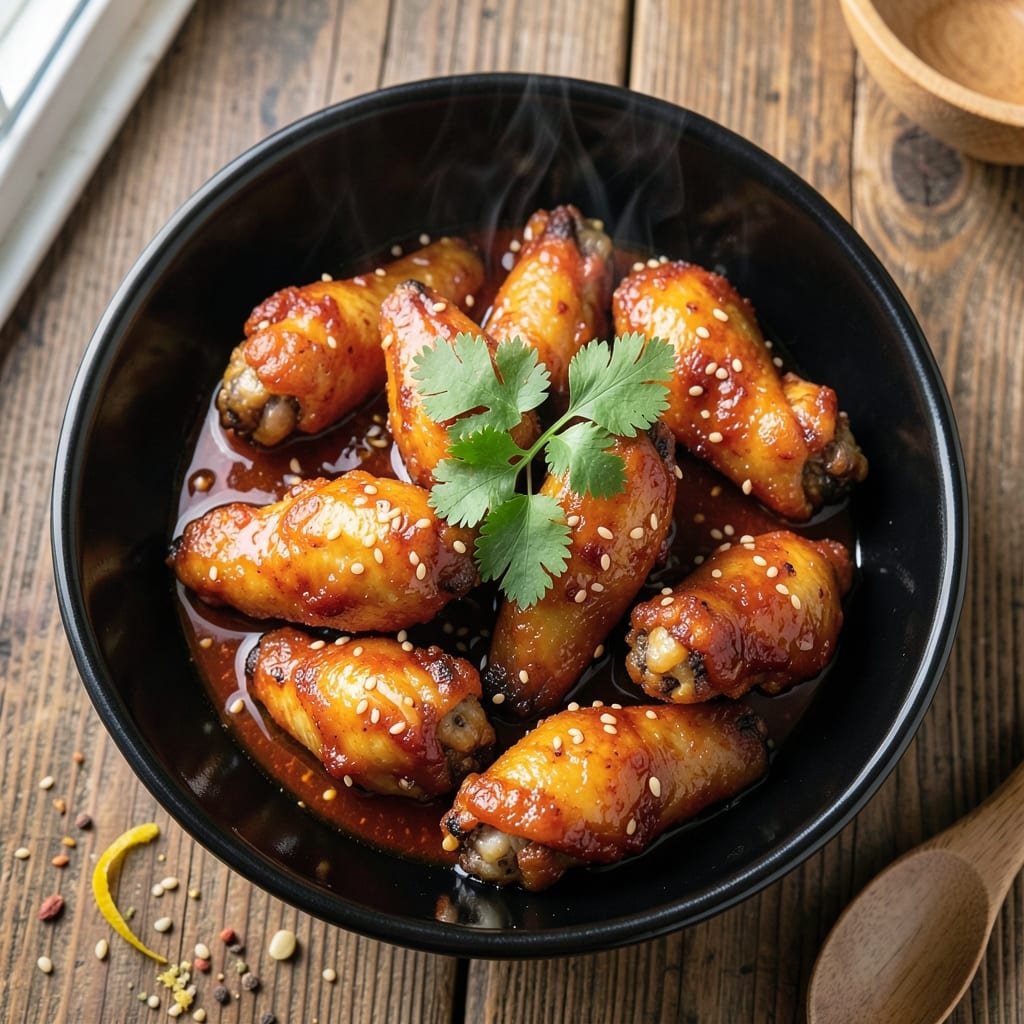
America's Test Kitchen Korean fried chicken wings recipe delivers the perfect fusion of crispy, golden perfection and juicy, flavorful meat. I've spent years perfecting this double-braised technique that transforms ordinary wings into restaurant-quality bites with a crispy exterior and juicy interior. The secret lies in the marinade and two-step frying process that ensures every wing is cooked to perfection.
What sets this recipe apart is the balance of traditional Korean flavors with modern frying techniques. Gochujang, sesame oil, and garlic create a complex sauce that penetrates the meat while the double-fry method locks in moisture and builds that irresistible crunch. This isn't just another fried chicken recipe - it's a game-changer that will have you reaching for seconds.
The result is wings with a crispy texture that shatters between your fingers and a sauce that's perfectly balanced between sweet, spicy, and umami. Each bite delivers that satisfying contrast of textures and flavors that makes this recipe so addictive. The double-braised method ensures you never get a dry wing, even when you're frying a large batch.
Whether you're serving these as an appetizer for game day or making them for a weeknight dinner, this recipe delivers professional-quality results at home. The technique is straightforward once you understand the key steps, and the flavor profile is so versatile you can adjust the heat level to suit any palate. Let's get started on making these wings that will impress everyone at your table.
Ingredients for america's test kitchen korean fried chicken wings
These core ingredients deliver the perfect balance of crispy texture and bold Korean flavors.
| Ingredient | Amount | Notes |
|---|---|---|
| Chicken Wings 🍗 | 2 ½ lb | Split into drumettes and flats, skin-on |
| Gochujang Paste 🌶️ | ¼ cup | Korean chili bean paste, not chili flakes |
| Sesame Oil 🫒 | 2 tbsp | Toasted sesame oil preferred |
| Soy Sauce 🍶 | ¼ cup | Low-sodium preferred |
| Rice Vinegar 🍶 | 2 tbsp | White rice vinegar |
| Garlic Cloves 🧄 | 6 cloves | Minced, not powdered |
| Ginger Root 🌿 | 1 tbsp | Fresh, finely grated |
| Honey 🍯 | 2 tbsp | Wildflower preferred |
| Vegetable Oil 🫒 | 2 cups | High smoke point, like peanut oil |
| Cornstarch 🌾 | ½ cup | For double-dredging |
| Salt 🧂 | 1 ½ tsp | Kosher salt, divided |
| Black Pepper 🌶️ | ½ tsp | Freshly ground |
| Toasted Sesame Seeds 🥜 | 1 tbsp | For garnish |
| Green Onions 🧅 | 2 whole | Thinly sliced, for garnish |
The wings are the foundation, so look for fresh, plump wings with minimal bruising. Whole Foods or your local butcher often have the best quality, but most grocery stores carry them too. Split each wing into drumettes and flats—this ensures even cooking. For the gochujang, Maesil Chunjang is my go-to brand, but any quality Korean chili bean paste works. The sesame oil should smell nutty and toasted, not stale. If yours smells flat, it's time for a new bottle. Fresh ginger and garlic make all the difference here—don't substitute powders for the marinade.
No gochujang? Mix 1 tbsp sriracha with 1 tbsp soy sauce and 1 tbsp honey as a substitute, though it won't be identical. Running out of rice vinegar? Apple cider vinegar works at the same amount. The cornstarch is non-negotiable for that signature crunch—Arrowhead brand is my favorite as it's fine and consistent. For the double-fry technique, use peanut oil or vegetable oil with a high smoke point (400°F+). If you're short on time, you can do a single fry but expect slightly less crispiness. The honey adds sweetness to balance the heat—avoid artificial sweeteners as they won't caramelize properly.
Marinate the wings for at least 4 hours, overnight is ideal. Store the marinade leftovers in an airtight container in the fridge for up to 1 week. These wings reheat beautifully—350°F for 10-12 minutes on a wire rack over a baking sheet keeps them crispy. For meal prep, fry only what you'll eat in 2 days as the texture softens over time. The double-fry method means you'll use about 3 cups of oil total, so plan accordingly if you're making a large batch.
Why You'll Love This Recipe
- No-Fuss Glaze: I swear, the marinade is just gochujang, soy, and vinegar—mix it in a bowl while you watch one episode. No whisking, no straining, no stress. The wings practically baste themselves in the oven.
- Umami Bomb: That gochujang-sesame combo? It’s like someone took all the best parts of Korean BBQ and bottled them. The crispy skin gives way to tender meat, and the vinegar keeps it bright—not greasy, not sweet, just right.
- Game for Any Night: Between us, I’ve served these at game days, lazy Sundays, and even as a “fancy” dinner when friends drop by. Slap them on a board with pickles and beer, or toss them in a bowl with rice—no judgment.
- Leftovers? Still a Win: Honestly, I make extra because reheating these is chef’s kiss—crispy again in 10 minutes. And since wings are cheap per serving, it’s my go-to when I’m feeding a crowd without breaking the bank. (Yes, even on a Tuesday night.)
Step-by-step instructions for america's Test Kitchen Korean fried chicken wings
Master the double-braising technique for wings that stay crispy outside and impossibly juicy inside.
Marinate and Double-Braise the Wings
In a large bowl, combine the 2.5 lb chicken wings, 0.25 cup gochujang paste, 2 tbsp sesame oil, 0.25 cup soy sauce, 2 tbsp rice vinegar, 2 tbsp honey, 6 cloves minced garlic, 1 tbsp grated ginger, 1 tsp salt, and 0.25 tsp black pepper. Toss until the wings are fully coated and the marinade clings to every surface. Cover and refrigerate for at least 4 hours—overnight is ideal for maximum flavor penetration.
Preheat your oven to 375°F. Spread the marinated wings on a parchment-lined baking sheet in a single layer, ensuring they don’t overlap. Bake for 30 minutes, flipping halfway through, until the wings are lightly browned and the marinade has caramelized slightly. This first braising step builds deep flavor and pre-cooks the wings for even crispiness later.
Prepare the Double-Dredge Coating
In a medium bowl, whisk together the remaining 0.5 tsp salt, 0.25 tsp black pepper, and 0.5 cup cornstarch. This dry mixture is your secret weapon for that signature crispy texture. Remove the wings from the oven and let them cool for 10 minutes—this prevents the coating from absorbing too much moisture and turning soggy.
Working in batches, dip each wing into the cornstarch mixture, pressing gently to adhere the coating evenly. Place them on a wire rack set over a baking sheet to allow air circulation. For extra crispiness, repeat the dredging process once more, letting the wings rest for 5 minutes between coats. The double-dredge ensures a thick, crackly crust that stays crisp even after frying.
Fry to Golden Perfection
Fill a deep skillet or Dutch oven with 2 cups vegetable oil and heat it over medium-high heat until it reaches 350°F—use a thermometer for precision. Once the oil is hot, carefully add the coated wings in a single layer, leaving space between them. Fry for 4-5 minutes until they turn a deep golden brown and float to the surface. This indicates they’re fully cooked and ready to serve.
Use tongs to transfer the fried wings to a paper towel-lined plate to drain excess oil. The wings should be crispy outside with a juicy, tender interior. If any wings aren’t fully cooked, return them to the oil for 30 seconds to 1 minute until golden. Fry in batches if needed to avoid overcrowding, which lowers the oil temperature and leads to greasy wings.
Rest and Garnish
Let the fried wings rest for 5 minutes before serving. This brief pause allows the juices to redistribute, ensuring every bite is moist and flavorful. While they rest, thinly slice the 2 whole green onions and set aside. Sprinkle the wings generously with 1 tbsp toasted sesame seeds and the sliced green onions for a pop of color and freshness.
Serve immediately with extra rice vinegar or a side of gochujang sauce for dipping. The wings should be crispy enough to stand up to a toothpick but still yield slightly when pressed, proving their juicy perfection. The double-braising technique guarantees a texture that’s both satisfying and balanced—crispy on the outside, tender on the inside.
Pro Tips For Making America'S Test Kitchen Korean Fried Chicken Wings
- DOUBLE-FRY THE WINGS: The recipe’s crispy crust comes from two fries: first at 325°F for 12 minutes, then at 375°F for 10-12 minutes. I used to skip the second fry to save time, but the wings end up greasy instead of crispy—don’t cut corners here. Use a candy thermometer to nail those temps; your oven’s “350°” setting is a lie.
- WHISK GOCHUJANG FIRST: Mix the gochujang paste with the soy sauce, rice vinegar, and sesame oil before adding the wings. I learned this the hard way—when I tossed the wings in dry gochujang, it clumped and stuck to the skin like glue. A quick 30-second whisk ensures even coating and prevents a sticky mess.
- PAT DRY WINGS THOROUGHLY: After brining (if using), lay the wings on a wire rack set over a baking sheet and refrigerate uncovered for 20-30 minutes. This evaporates surface moisture, which is the thing that matters most for that perfect crust. Wet wings = soggy fries. Trust me, I’ve cried over limp chicken.
- USE A MIX OF OILS: The recipe calls for neutral oil, but I upgrade by using half peanut oil (for high smoke point) and half toasted sesame oil (for flavor). The sesame oil adds depth without overpowering, and the peanut oil keeps the wings from burning. Just don’t overdo it—2 tablespoons per batch is enough.
Serving suggestions for america's test kitchen korean fried chicken wings
Game Day Spread
These wings are the star of any football gathering, but they pair perfectly with cooling sides to balance the heat. Serve with quick-pickled cucumbers (toss thinly sliced cucumbers with 2 tbsp rice vinegar, 1 tbsp honey, and ½ tsp salt) for a refreshing contrast. I always add creamy coleslaw made with shredded cabbage, carrots, and a dressing of mayonnaise, apple cider vinegar, and Dijon mustard—it cuts through the richness beautifully. 🏈
Dipping Sauces
Don’t skip the dipping sauces! The gochujang glaze from the marinade makes an excellent sauce—simply simmer ¼ cup gochujang, 2 tbsp honey, and 1 tbsp rice vinegar for 5 minutes until thickened. For something lighter, mix ¼ cup Greek yogurt, 1 tbsp sesame oil, 1 tsp grated ginger, and ½ tsp garlic powder. I also keep spicy mayo on hand (mayo + 1 tbsp sriracha + 1 tsp honey) for those who love extra kick. 🥄
Plating Like a Pro
For restaurant-quality presentation, arrange the wings on a wooden board or slate platter with green onions and sesame seeds scattered around. Add pickled radishes or edamame for extra color and texture. I like to serve them family-style with steamed jasmine rice or crispy rice crackers on the side—it makes the meal feel complete. For a fun twist, skewer the wings on bamboo sticks and serve in a cast-iron skillet for that rustic touch. ✨
Meal Prep Hack
Make ahead and store in an airtight container for up to 2 days—reheat at 350°F for 10-12 minutes on a wire rack to keep them crispy. Pack them in bento boxes with steamed rice and quick-pickled veggies for easy lunches. I even freeze extra wings (uncoated) in ziplock bags for 3 months—just thaw and fry fresh when ready. The double-fry method means they reheat just as crispy as day one. 💫
Korean BBQ Pairings
Elevate the meal by adding Korean BBQ sides. Serve with kimchi (store-bought or homemade) for tangy crunch, and spam musubi (grilled spam on rice, wrapped in nori) for a salty-sweet contrast. A simple cucumber salad (julienned cucumbers + soy sauce, sesame oil, and sesame seeds) ties everything together. For drinks, soy milk or yuja (citron) tea complements the bold flavors perfectly. 🍶
Leftovers Reinvented
Turn leftover wings into Korean fried chicken sandwiches—pile them high on brioche buns with shredded lettuce, pickles, and a drizzle of gochujang mayo. Or chop them up for fried rice with day-old rice, peas, carrots, and soy sauce. I also love tossing them into ramen for a hearty bowl—just add miso broth, soft-boiled egg, and green onions. These wings are so versatile, you’ll never get bored! 🍜
Nutrition facts
Frequently asked questions
Why does this recipe use a double-fry method?
The double-fry technique is the secret to achieving that perfect crispy exterior while keeping the wings juicy inside. The first fry at 350°F cooks the wings through, while the second fry at the same temperature seals in moisture and creates that signature crackly crust. This method ensures your wings stay crispy even after resting, unlike single-fry approaches that can turn soggy.
Can I make these wings without a deep fryer?
Use a deep skillet or Dutch oven on the stovetop—just make sure it's heavy enough to handle the oil safely. Maintain the oil temperature at 350°F using a thermometer, and fry in batches to avoid overcrowding. A cast-iron skillet works beautifully for this recipe, and it's easy to clean afterward.
How do I adjust the spice level?
For milder heat, reduce the gochujang to 2 tbsp and add 1 extra tbsp honey to balance it. For extra spice, increase the gochujang to 3 tbsp and add ½ tsp red pepper flakes to the marinade. Always taste as you go—you can always add more spice later, but you can't take it out!
What's the best way to store leftovers?
Store fried wings in an airtight container in the fridge for up to 2 days. To reheat, place them on a wire rack over a baking sheet and bake at 350°F for 10-12 minutes to maintain crispiness. For longer storage, freeze uncoated wings (before frying) in ziplock bags for up to 3 months. Thaw overnight in the fridge before frying fresh.
Can I use boneless wings instead?
While this recipe works best with bone-in wings (they stay juicier), you can use boneless wings by adjusting the cooking time to 3-4 minutes per side. The texture will be slightly different—boneless wings will be more tender but may lack the same crispy exterior. For best results, pat them completely dry before frying to maximize crispiness.